Iron Levels in the Body Differ from Iron Intake
A medical diagnosis of iron deficiency often prompts individuals to focus on increasing their iron intake, but there's a crucial distinction to be made between iron and ferritin levels.
A medical diagnosis of iron deficiency often prompts individuals to focus on increasing their iron intake, but there's a crucial distinction to be made between iron and ferritin levels.
While the two are interconnected, they're not interchangeable terms, with many people mistakenly believing them to be synonymous.
Integrative nutritionist and psychologist Karishma Shah explains that ferritin is distinct from the iron most people are familiar with, describing it as an "iron savings account".
Board-certified sports dietitian Roxana Ehsani, MS, RD, agrees that eating high-quality iron-rich foods consistently can help raise ferritin levels.
When a doctor measures serum ferritin, they're essentially taking a snapshot of an individual's iron reserves at that moment in time. Low ferritin levels often serve as the first warning sign that iron stores are dwindling, sometimes even before anemia becomes apparent.
In such cases, treating the underlying issue requires more than just boosting iron intake; it demands a strategic approach to replenishing and maintaining iron reserves.
Experts stress that addressing low ferritin levels through dietary changes is a viable solution, especially when combined with other interventions tailored to individual needs.
When addressing low ferritin levels through dietary changes, experts recommend incorporating high-iron meals into one's daily routine to boost iron absorption. This approach can help raise ferritin stores over time, but it is not a quick fix.
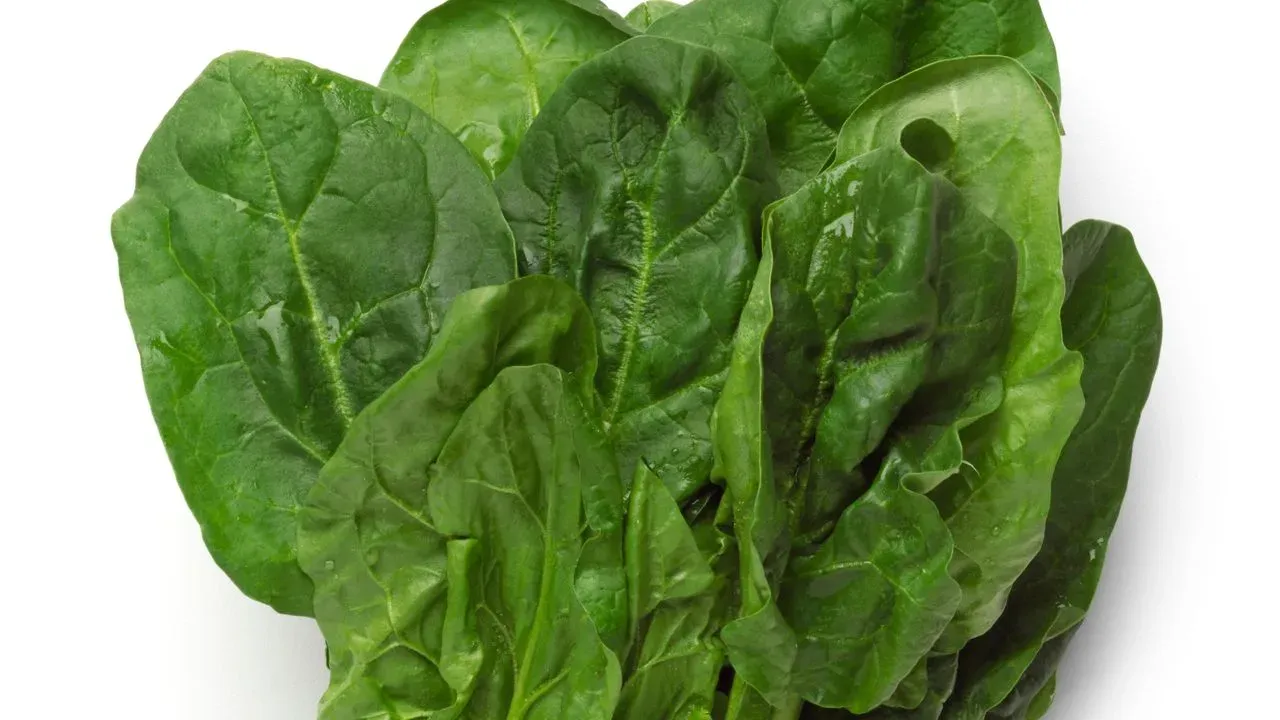
There are two types of dietary iron: heme and non-heme. Heme iron comes from animal-based food sources such as beef, poultry, pork, and seafood, and is most readily absorbed by the body. Non-heme iron, on the other hand, is found in plant-based foods like fortified cereals, molasses, beans, lentils, spinach, and tofu.
While non-heme iron is not absorbed by the body as easily as heme iron, it can still be a valuable addition to one's diet when ferritin levels are low. To maximize absorption of both types of iron, pairing them with vitamin C-rich foods like tomatoes, strawberries, bell peppers, or oranges can enhance their effectiveness.
Examples of high-iron foods include beef, poultry, pork, seafood, fortified cereals, molasses, beans, lentils, spinach, and tofu. Combining heme and non-heme sources in the same meal can also be beneficial for those looking to boost ferritin levels through dietary changes.
Cooking food in a cast-iron skillet is another way to boost iron stores in the body. This is because the iron from the pan can leach into the food, increasing its iron content.
According to experts, foods cooked in a cast-iron skillet will draw iron from the pan itself. This process makes it easier for the body to absorb the iron.
While there are no foods that need to be completely eliminated to boost ferritin levels, timing is crucial when consuming iron-rich foods.
When consuming iron-rich foods, timing is crucial to maximize their effectiveness in boosting ferritin levels. According to Shapiro, eggs should not be eaten at the same time as these foods because they contain a protein that binds iron.
Red wine can also hinder iron absorption due to its polyphenols; while you don't need to completely eliminate it from your diet, being mindful of what you pair with it is essential for optimal results.
Facts based on reporting originally published by Vogue.
You may republish this story, in full or in part, if you credit News Central Site and link to it (licence CC BY 4.0). Photos are not included.