Fashion commentator Osama Chabbi discusses his career and upcoming documentary
Osama Chabbi, who has worked for Farfetch and gained a following on Instagram, is now directing his first documentary about his favorite designer.
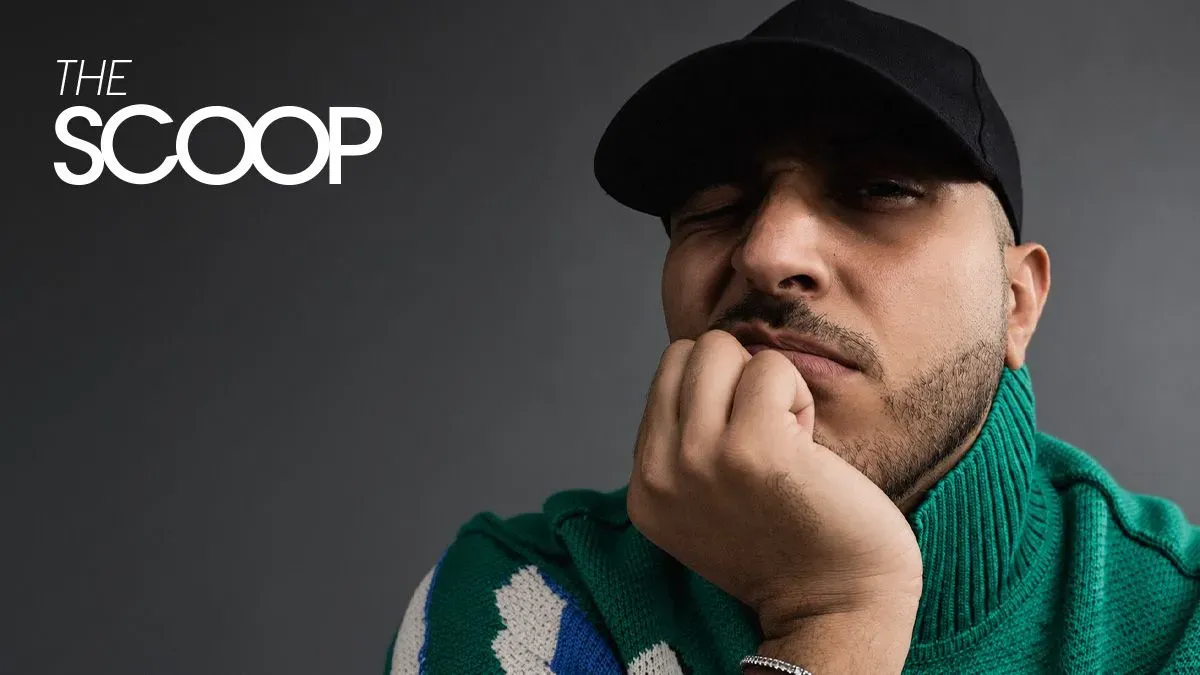
Osama Chabbi, a prominent fashion commentator, is this week's guest in our Scoop series, where we delve into the stories behind the headlines with industry insiders.
Chabbi's journey began when he moved to Dubai in 2018 from France and started working for Farfetch as a stylist for their Middle East campaigns. He later joined the private client side of the business but soon realized it wasn't the right fit for him, citing that being too close to the business targets made it difficult to enjoy his job.
Despite this, Chabbi's time at Farfetch provided valuable insights into the world of high-end fashion, particularly among the 1% who are its primary consumers. He learned how to tailor collections to specific regions and age groups, and understand what products would actually sell in those markets.
In addition to his work at Farfetch, Chabbi began posting fashion show reviews on Instagram Stories using Vogue Runway images as a backdrop. His following grew rapidly, and he soon landed two high-profile interviews, one with Haider Ackermann and the other with Kris Van Assche, which he filmed and shared on the platform.
Chabbi's decision to leave Farfetch was likely influenced by his desire for creative freedom and the opportunity to share his expertise with a wider audience. His success on Instagram has made him a sought-after voice in the fashion industry, and his unique perspective is likely to continue resonating with readers and viewers alike.
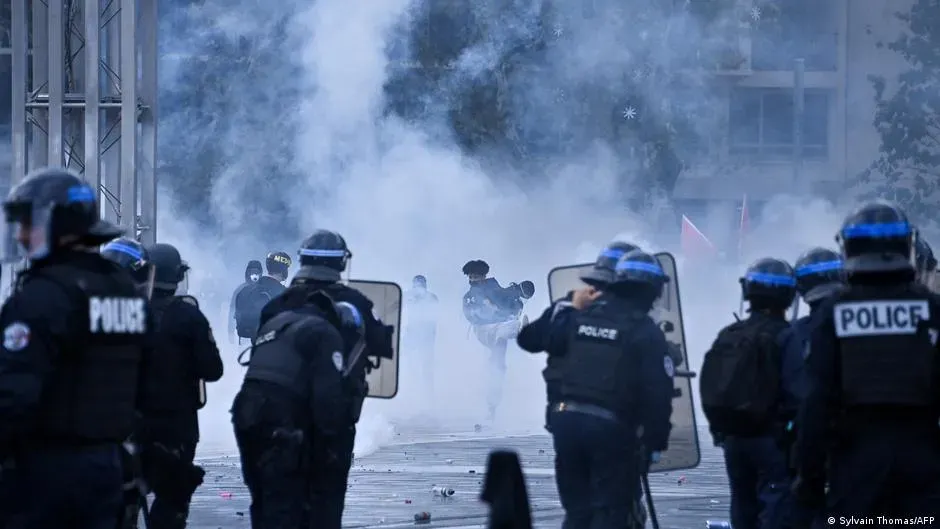
As we speak with Chabbi about his experiences, he also touches on other topics, including the protests that have been taking place in France and his predictions for the latest round of designer comings and goings. In a series of interviews below, Chabbi shares his thoughts on these issues and more.
Osama Chabbi is taking on a new challenge by directing his first documentary, a project that has been in the works for some time now.
The documentary will focus on his favorite designer and is set to start filming in January with an expected release date of next year.
Chabbi's involvement in this project extends beyond just directing - he will also be working closely with a fashion-centric streaming platform that is launching soon, with their film being one of the platform's original productions.
The documentary aims to capture a commemorative interview-style conversation between two figures who were significant in the designer's life, and Chabbi sees it as an opportunity to explore the concept of legacy in the fashion world.
Chabbi has experience with filmmaking, having produced and directed his own interviews for various projects, but this will be his first time tackling a longer-form documentary.
He admits that he initially felt uncertain about taking on such a big project, but after being told by someone on his team that they thought he might have imposter syndrome, Chabbi decided to go for it and push beyond his comfort zone.
Chabbi's determination to secure interviews for his documentary project was evident from an early stage. He recalls writing on Twitter about wanting to interview Haider Ackermann, who was guest designer for Jean Paul Gaultier at the time.
Despite being in Dubai and Ackermann being in Paris, Chabbi managed to secure an interview with him.
Chabbi's resourcefulness didn't stop there; he also pitched an article to i-D, but needed references and quotes from prominent designers. In a bid to get Kris Van Assche on board, Chabbi made up that he had already secured a quote from the designer.
He quickly sent a message to Van Assche apologizing for the fabrication, but was surprised when the designer replied and said he would indeed provide a quote.
Chabbi attributes his success in securing interviews to his willingness to take risks. He believes that having a "utopian level of delusion" can be beneficial in pursuing ambitious projects.
His approach to building his platform has been centered around creating unique content, rather than trying to spark a mass conversation on social media.
As a documentary filmmaker, Osama Chabbi has always been drawn to the inner workings of the fashion industry. He's fascinated by its larger-than-life personalities and has a clear vision for who he wants to feature in his projects.
Chabbi's approach to building his platform is centered around creating unique content that caters to those who live and breathe fashion, rather than trying to spark mass conversations on social media. This strategy allows him to connect with his audience on a deeper level and create content that resonates with them.
Growing up in Lyon had a significant impact on Chabbi's perspective on the world. He recalls being raised in what is known as ZEP, or priority education zones, where the government has pledged to focus more resources on education. However, this promise has often fallen short.
Chabbi's experiences have given him a unique understanding of the struggles that many young people face in France. When asked about the student protests taking place in Paris, he acknowledges that he hasn't been able to witness them firsthand while in Dubai. Nevertheless, he emphasizes the importance of recognizing that these protests are not an inconvenience to the luxury and fashion industry.
Chabbi's connection to his audience is rooted in his ability to understand their experiences and perspectives. He notes that many people who follow him work in the fashion industry itself, which allows him to assume a certain level of knowledge about the subject matter. This approach enables him to dive deeper into complex issues without feeling the need to explain the basics.
Chabbi's thoughts on the student protests are informed by his own background and experiences. He sees the anger and frustration expressed by the youth as valid, given the systemic challenges they face in accessing quality education. As he puts it, "the social elevator is frozen."
The recent wave of creative director departures from top fashion houses has left many wondering what's next for these iconic brands.
Seán McGirr and Veronica Leoni have both stepped down from their roles at McQueen and Calvin Klein, respectively, in a move that has sent shockwaves through the industry.
Anthony Vaccarello's exit from Saint Laurent last week was also notable, leaving a void that will soon be filled by Chemena Kamali, who is set to take over at the Paris-based label.
The absence of creative directors at Alaïa and McQueen has left many speculating about potential replacements.
For McQueen, Osama Chabbi believes that promoting from within or seeking out lesser-known talent can be a successful strategy, citing examples such as Matthieu and Michael Rider who rose through the ranks to become designers.
The trend of hiring in-house or unknown designers may prove to be a promising approach for fashion brands looking to revitalize their creative direction.
The fashion industry's reluctance to promote body diversity is a worrying trend that suggests it may be moving backwards on this issue.
Fashion brands seem non-committal about embracing bigger bodies as desirable, and this lack of commitment is hindering progress towards inclusivity and body visibility.
Directors like Osama Chabbi are highlighting the need for a cultural shift in how fashion perceives body size, but so far, there has been little change in the industry's approach.
Ultimately, until fashion brands deem bigger bodies glamorous, they risk being stuck in a perpetual cycle of underwhelming innovation.
Facts based on reporting originally published by Vogue.
You may republish this story, in full or in part, if you credit News Central Site and link to it (licence CC BY 4.0). Photos are not included.