VSCO Unveils Studio Pro Desktop App for macOS
VSCO has released a desktop version of its photo editing software, following an earlier iOS launch and part of the company's efforts to keep photographers within its ecosystem.
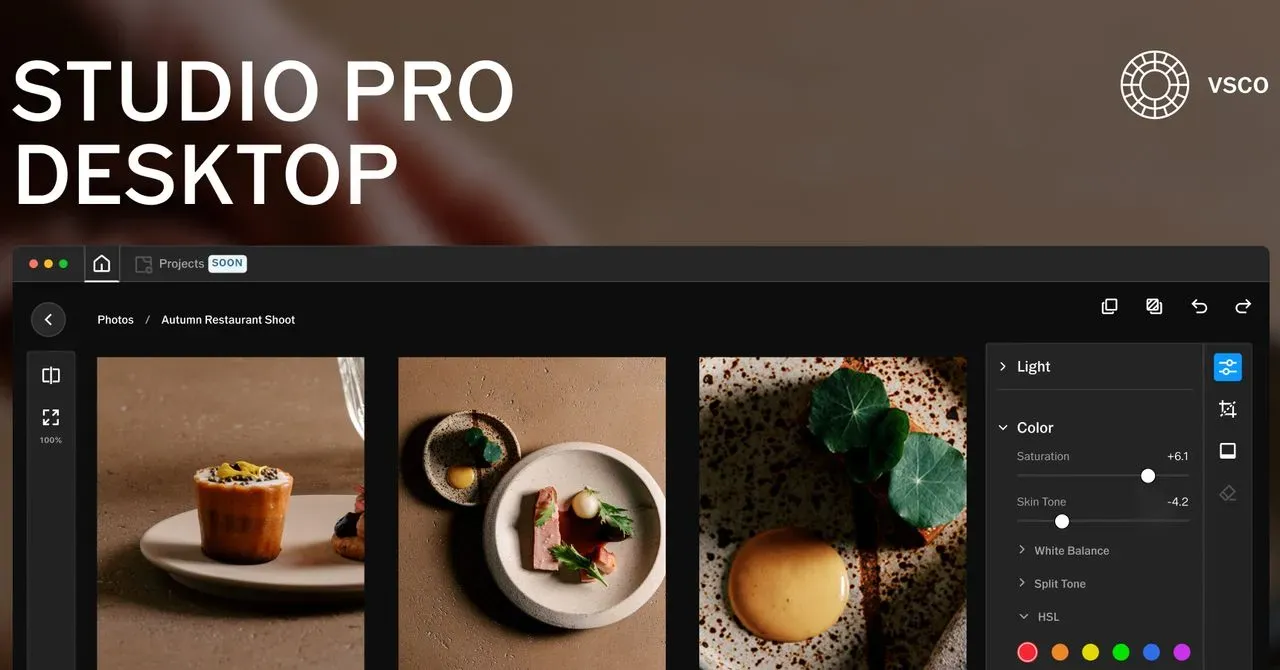
VSCO has unveiled its Studio Pro Desktop app on macOS, marking the first step in the company's bid to rival Adobe Lightroom.
The move follows the launch of Studio Pro on iOS earlier this year and is part of VSCO's broader strategy to keep photographers within its ecosystem.
While the desktop client is now available for Mac users, VSCO has yet to release versions of Studio Pro for Android or Windows devices.
The company plans to port the apps to these platforms in the future, but no specific timeline has been announced.
VSCO CEO Eric Wittman has said that the company's goal is to support photographers throughout their careers.
The free tier of VSCO's Studio Pro Desktop app may seem appealing at first glance, but some advanced features are locked behind a subscription model. This means that photographers who want access to all the tools will need to pay for a premium account.
One area where Studio Pro Desktop excels is in its speed and capabilities. The app boasts over 200 presets, allowing users to quickly apply consistent looks to their photos. Additionally, it supports RAW editing for an impressive 20 different camera brands, giving photographers a high degree of flexibility when working with their files.
Batch editing is another key feature that sets Studio Pro Desktop apart from other photo editing apps. This allows users to edit up to 500 images at once, greatly speeding up the workflow process and preserving the original files in the process. The app also renders previews in real-time, making it easy to see how changes will look before exporting them.
Despite its many strengths, Studio Pro Desktop does have some limitations compared to other photo editing apps like Lightroom. For example, users may miss out on certain features that are not yet available in VSCO's offering.
VSCO's new desktop app will provide around 70% of the editing capabilities users need, with the remaining features to be added through regular software updates.
The company emphasizes its commitment to user data security, stating that it doesn't train its own AI models on content posted within the VSCO app. Instead, it relies on third-party models, such as those from Black Forest Labs, which are subject to agreements preventing them from training on VSCO user data.
VSCO's stance on generative AI differs from companies like Adobe, which have heavily invested in this technology for their creative editing tools.
Facts based on reporting originally published by Wired.
You may republish this story, in full or in part, if you credit News Central Site and link to it (licence CC BY 4.0). Photos are not included.