Vietnam's Trade Surplus with US Sparks Controversy
The controversy centers around allegations that Vietnam exploits loopholes to evade tariffs on its exports to the US.
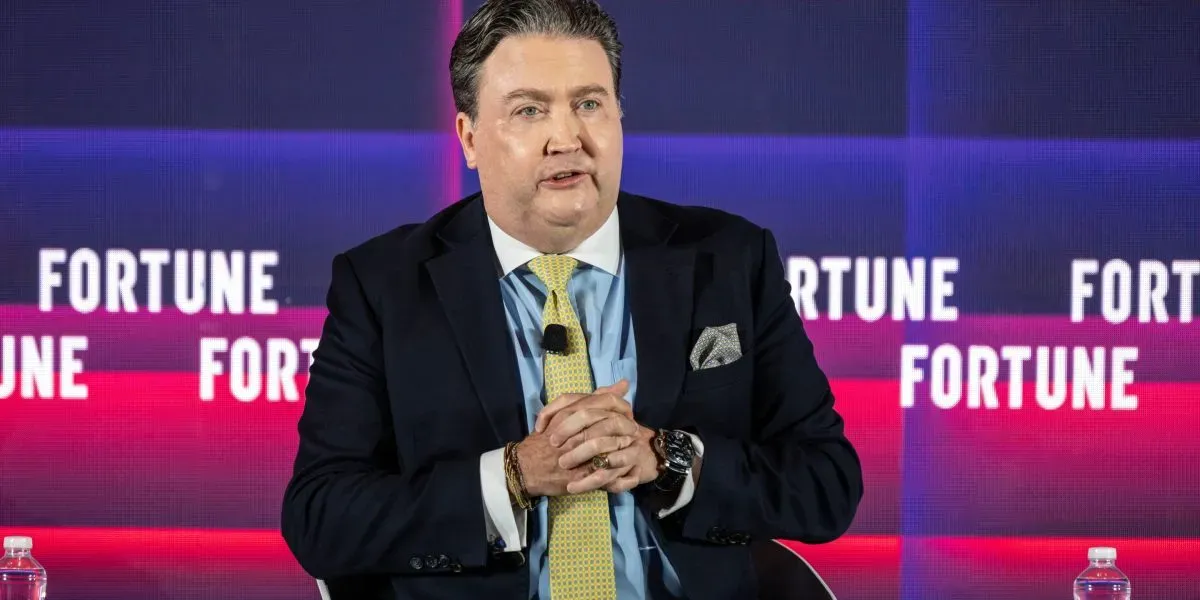
Vietnam's massive trade surplus with the US has sparked controversy in recent months, with some officials accusing the country of exploiting loopholes to evade tariffs.
Former US Ambassador to Vietnam Marc Knapper disputes this claim, stating that only a small fraction of Vietnamese exports to the US are involved in illegal transshipment. This practice involves falsifying the country of origin to avoid paying tariffs on imported goods. According to Knapper, who served as ambassador from 2022 to 2026, such activities are not widespread and Vietnam has been actively working to curb them.
Knapper made his comments at a recent conference in Ho Chi Minh City, where he explained that the term "transshipment has taken on different meanings depending on one's perspective. He emphasized that legitimate trade practices, including the assembly of goods from neighboring countries, should not be confused with illicit activities.
The issue is significant because it could impact Vietnam's reputation as a reliable trading partner and potentially lead to tariffs being imposed on its exports. However, Knapper noted that his country has been making efforts to crack down on fraudulent transshipment practices, working closely with US Customs and Border Protection.
As the debate over transshipment continues, some officials have raised concerns about the Trump administration's broad definition of the term, which could potentially label normal supply chain activities as illicit.
The Trump administration has accused several countries of engaging in a Great Transshipment Scam that allegedly costs the US economy $19 billion to $26 billion annually in tariff revenue. This claim is part of a broader effort to restrict transshipment practices, which involve diverting parts of a Chinese supply chain overseas to take advantage of lower tariffs.
A significant portion of Vietnam's massive $140 billion trade surplus with the US has been accumulated despite the imposition of tariffs by Washington on Vietnamese goods. According to Marc Knapper, a former ambassador, this surplus is not driven by illicit transshipment practices. Instead, American consumers and manufacturers have come to appreciate the quality and value of made in Vietnam products.
The US has imposed various tariffs on Vietnamese goods, including a 12.5% duty on many items following an investigation into forced labor practices in the country. Vietnam initially agreed to accept a 20% tariff on its regular exports to the US under a trade agreement announced in July 2025. However, this deal also included provisions for a higher 40% tariff on goods deemed to have been transshipped from China.
The US Supreme Court's decision in February has put the initial trade agreement in limbo by deeming most of President Trump's tariffs unlawful. This development adds complexity to the ongoing debate over transshipment practices and their impact on global trade dynamics.
The trend of companies relocating parts of their supply chains out of China and into Southeast Asia is gaining momentum, driven by factors such as rising U.S. protectionism and increasing costs in China. This China plus one strategy allows companies to diversify their production bases and improve supply-chain resilience.
Chinese businesses are also expanding into the region, not just for manufacturing but also as a new consumer market. In fact, they have coined the term chuhai" to describe this approach of doing business in Southeast Asia and Vietnam. This shift is being driven by companies seeking to tap into emerging markets and gain a competitive edge.
Trade between China and ASEAN countries has reached historic highs, exceeding $1 trillion for the first time in 2025. This milestone underscores the growing importance of regional trade agreements and partnerships in the global economy.
The development of Vietnam's infrastructure is also playing a key role in its emergence as a major trading hub. A planned railway linking Vietnam to China has received an additional $3.3 billion in funding from the National Assembly, with officials aiming for completion by 2030 despite some delays due to land clearance issues.
Facts based on reporting originally published by Fortune.
You may republish this story, in full or in part, if you credit News Central Site and link to it (licence CC BY 4.0). Photos are not included.