Vietnam's Communist Party Chief Arrives in Brussels for Official Visit
To Lam's visit marks another significant step in strengthening relations between Vietnam and the European Union.
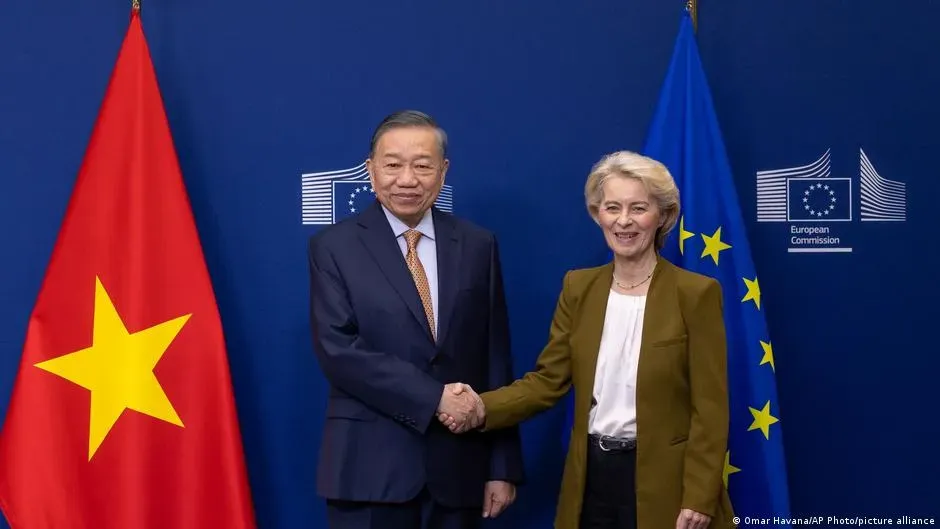
Vietnam's Communist Party chief and president, To Lam, has arrived in Brussels for an official visit to the European Union (EU) and Belgium, marking another significant step in strengthening relations between the two sides.
The visit comes just days after Vietnam signed a free trade agreement with the European Free Trade Association (EFTA), which comprises Norway, Switzerland, Iceland, and Liechtenstein. This new agreement is the latest development in deepening trade ties between Vietnam and Europe.
Trade between Vietnam and the EU has grown significantly over recent years, thanks to the EU-Vietnam Free Trade Agreement (EVFTA) that took effect in August 2020. The EVFTA has substantially expanded Vietnam's commercial links with most European states, making it easier for businesses to operate across borders.
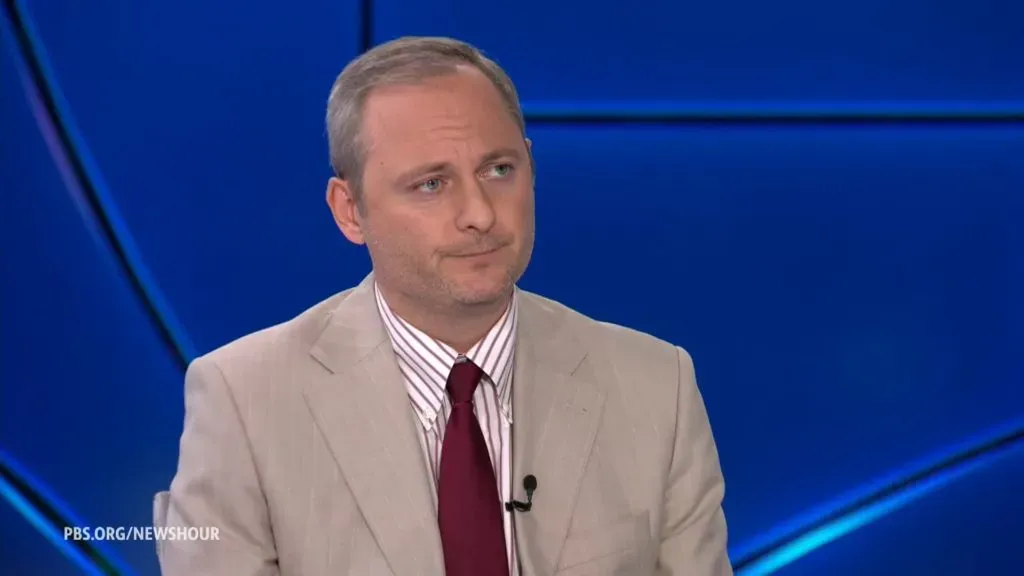
Experts say that the strengthened relationship between Vietnam and Europe is a welcome development in an era of global trade tensions, where countries are increasingly turning towards protectionism. "This is a win-win for both sides," says Khac Giang Nguyen, a visiting fellow at the ISEAS–Yusof Ishak Institute in Singapore.
Vietnam has emerged as one of the EU's key trading partners in Southeast Asia, with the EU now ranking among Vietnam's top four largest trading partners. The country is also a major recipient of foreign investment from Europe, with capital and technology flowing into its manufacturing sector.
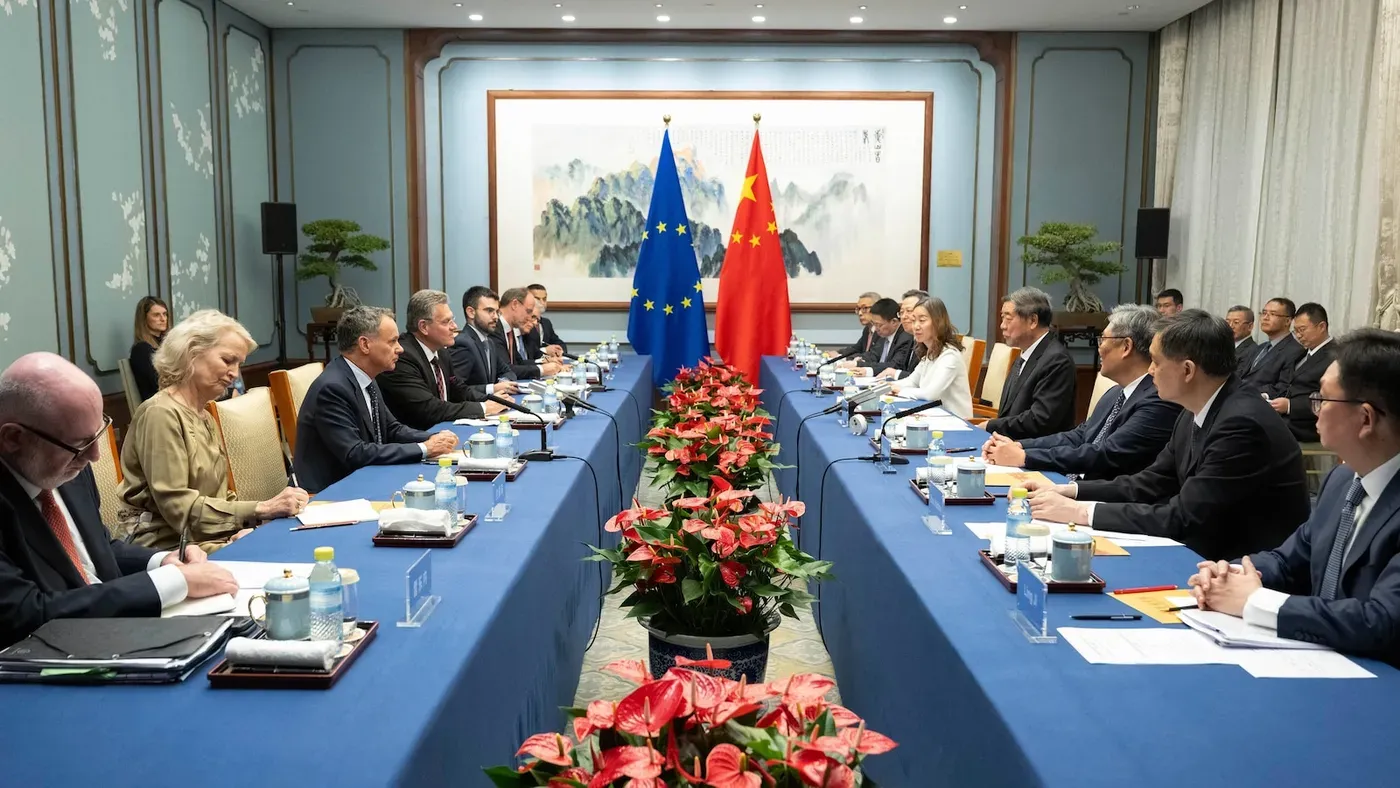
Vietnam has emerged as a crucial partner for the European Union in its Indo-Pacific strategy, according to Alfred Gerstl, an expert on international relations at the University of Vienna. This partnership is significant for advancing the EU's economic security agenda and reducing dependence on Chinese manufacturing by diversifying supply chains.
Several member states have signed defense agreements with Vietnam, marking a strengthening of ties between the two parties. A recent meeting between Bloc foreign policy chief Kaja Kallas and Vietnamese Foreign Minister Le Hoai Trung aimed to enhance security cooperation, including in the South China Sea where Hanoi has long-standing territorial disputes with China.
The EU's relationship with Vietnam is multifaceted, but it also faces challenges. Critics argue that European companies may not be benefiting sufficiently from Vietnam's economic growth, raising questions about the fairness of trade partnerships between the two entities.
Vietnam remains a one-party communist state characterized by strict restrictions on political opposition, independent journalism, and civil society organizations. Rights groups have noted an increase in repression under To Lam, who previously led the country's powerful public security ministry.
The intensification of human rights abuses has prompted 12 international rights organizations to issue an open letter urging EU leaders to demand meaningful reforms from Vietnam. The letter addressed European Commission President Ursula von der Leyen and European Council President Antonio Costa, highlighting concerns over the Vietnamese government's escalating repression.
The European Union's trade agreement with Vietnam has been criticized by rights groups who claim that Hanoi has failed to uphold its commitments on human rights and labor protections.
Specifically, Vietnam has yet to ratify the International Labour Organization (ILO) convention on freedom of association, which is a key obligation under the EVFTA. Additionally, independent trade unions remain prohibited in the country, despite promises to reform labor legislation.
The EU's inaction in response to these breaches has been criticized by rights groups, who point out that the bloc upgraded its bilateral relations with Vietnam in January despite the government's failure to meet its obligations. This decision has raised questions about the EU's priorities and whether it is prioritizing trade over human rights.
In practice, the benefits of the EVFTA have not been evenly distributed among Vietnamese businesses. Large foreign-invested manufacturers and established exporters have been better positioned to take advantage of tariff reductions than smaller domestic companies, which often lack the resources to navigate complex European import requirements.
Vietnamese exporters are also facing growing demands from the EU's climate regulations, including the Carbon Border Adjustment Mechanism and deforestation rules. These measures require businesses in affected sectors to provide detailed information about their production processes and supply chains, adding an extra layer of complexity for Vietnamese companies.
The European Union's trade agreement with Vietnam is facing new challenges as Brussels demands greater adherence to EU standards on labor rights, sustainability, and regulatory governance.
This shift in focus from tariff liberalization to more stringent requirements may be a test for Vietnamese companies that have grown accustomed to the EVFTA's benefits.
As a result, businesses must now provide detailed information about their production processes and supply chains, adding complexity to an already intricate web of regulations.
The EU's goods trade deficit with Vietnam has widened significantly since 2019, reaching €51.7 billion in 2025, further underscoring the imbalance between European and Vietnamese exports.
Vietnam's expanding export economy is driven largely by its competitive advantage as a manufacturing hub, but this trend may be disrupted if it cannot meet the EU's increasingly stringent standards.
The EU-Vietnam Investment Protection Agreement is expected to boost investment from European businesses in Vietnam by providing stronger legal protections for investors.
This move comes as Vietnam's government continues to implement an ambitious legislative program aimed at maintaining the country's rapid economic growth. According to industry observers, many European companies are carefully assessing the potential impact of these reforms on their operations and investments in Vietnam.
The agreement is seen as a key step in promoting sustainable trade between the EU and Vietnam, with Brussels seeking to ensure that its businesses reap the benefits of the country's growing economy while also upholding commitments to human rights.
Facts based on reporting originally published by DW English.
You may republish this story, in full or in part, if you credit News Central Site and link to it (licence CC BY 4.0). Photos are not included.