European Union Awards Sakharov Prize to International Criminal Court
The European Union has awarded its top human rights prize to the International Criminal Court (ICC) in recognition of its work upholding international law and justice.
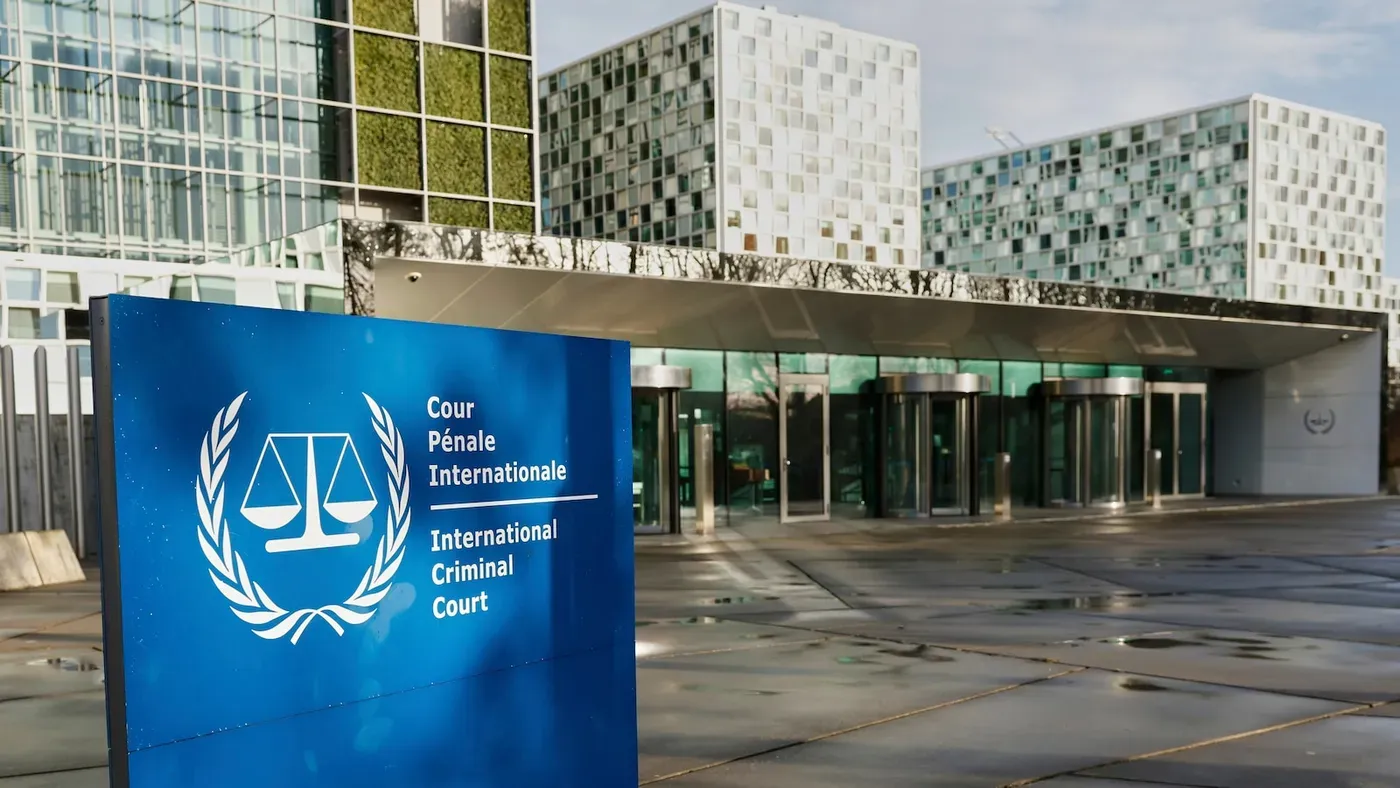
The European Union has awarded its top human rights prize to the International Criminal Court (ICC) just days after the Trump administration imposed new sanctions on the tribunal.
The Sakharov Prize was presented to the ICC and its staff in recognition of their work upholding international law and justice. The award comes at a time when the court is facing significant challenges, including the withdrawal of several countries from the Rome Statute that established the ICC.
The European Union's decision to honor the ICC with the Sakharov Prize reflects the bloc's commitment to multilateralism and respect for international institutions. This stance is in contrast to the Trump administration's efforts to dismantle the tribunal through sanctions and other measures.
European Parliament President Roberta Metsola welcomed the award, saying that it recognizes the important work of the ICC in defending human rights and basic freedoms.
The Sakharov Prize is a significant recognition of the International Criminal Court's (ICC) crucial work in upholding human rights and international law. This prestigious award underscores the importance of independent judicial institutions like the ICC, which serves as a last resort for prosecuting senior leaders responsible for heinous crimes.
Established in 2002, the ICC has jurisdiction over war crimes, crimes against humanity, genocide, and the crime of aggression, all actions that deeply shock humanity's conscience. The court plays a vital role in holding individuals accountable for their actions, even when national authorities fail to do so.
The Trump administration's sanctions against the ICC have had far-reaching consequences, cutting off the court from essential US-based financial services, technology companies, and even the use of US dollars. This move has set a six-month timeline for US companies and individuals with business ties to the ICC to disengage from these relationships.
EU leaders have expressed deep regret over the sanctions, urging the Trump administration to reverse its decision. In a statement after their recent summit, they noted that the delayed implementation of the sanctions creates an opportunity for diplomacy, giving hope that the measures can ultimately be reversed.
The European Union has reaffirmed its commitment to protecting the International Criminal Court (ICC) and its officials from potential harm caused by US sanctions.
In a move aimed at safeguarding the ICC's operations, the EU leaders tasked the European Commission with taking all necessary initiatives to mitigate the impact of the sanctions on the court. This includes providing support to EU companies that continue to provide services to the ICC, ensuring they can maintain their activities without hindrance.
The EU has also made it clear that it is prepared to take retaliatory measures if diplomacy fails. One possible option is to invoke the "blocking statute," which would prevent European companies from complying with US sanctions against the ICC and its staff. This could potentially protect not only court officials but also the Dutch-based court itself.
The ICC's nomination for a prestigious human rights award has been seen as a testament to its crucial work in upholding international justice. The Sakharov Prize, awarded by the European Parliament, recognizes outstanding contributions to human rights worldwide and is considered the highest tribute paid by the EU to such efforts.
The International Criminal Court has been recognized for its outstanding contributions to human rights worldwide by being awarded the prestigious Sakharov Prize. This esteemed honor is considered the highest tribute paid by the European Union to individuals and organizations making significant efforts in promoting freedom and democracy.
Other notable recipients of the Sakharov Prize include imprisoned opposition leaders, journalists who risked their lives to bring attention to human rights abuses, and Nobel Peace Prize winners such as Nelson Mandela and Malala Yousafzai. Their courage and dedication have made them symbols of hope for those fighting against oppression and tyranny.
The Sakharov Prize has a history of recognizing individuals who go on to receive the Nobel Peace Prize, highlighting its significance in acknowledging outstanding contributions to human rights worldwide.
Facts based on reporting originally published by ABC News International.
You may republish this story, in full or in part, if you credit News Central Site and link to it (licence CC BY 4.0). Photos are not included.