Vertebrates Dominate Biodiversity Research
Scientists have found that researchers often focus on vertebrates in their studies, leading to an imbalance in biodiversity research.
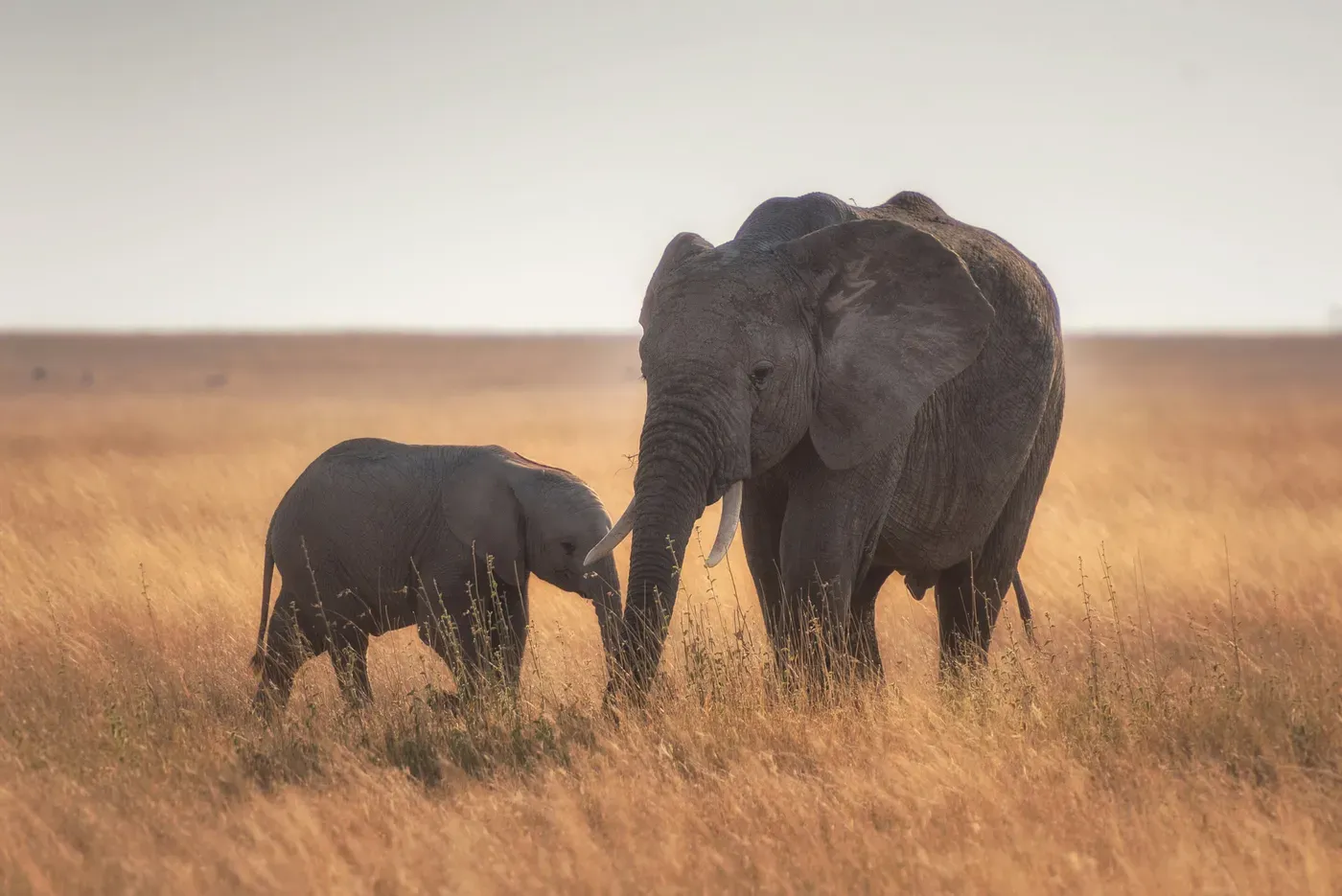
A striking imbalance has been revealed in the way researchers choose their topics of study, with a significant bias towards vertebrates dominating biodiversity research.
The findings, published in Ecology and Evolution, suggest that scientists often let personal preferences and cultural influences guide their research decisions, rather than focusing on the most pressing gaps in knowledge. This approach can lead to a scientific blind spot that affects many aspects of life on Earth.
According to Dr. Pietro Pollo, lead author of one of the studies, popular media such as films and TV shows can play a significant role in shaping research interests. He points out that nature documentaries often focus on charismatic animals like polar bears, lions, and elephants.
The consequence of this bias is a disproportionate amount of attention devoted to just a small fraction of Earth's biodiversity, while many other species remain largely unexplored or understudied.
Most of Earth's biodiversity remains understudied due to a bias towards researching vertebrates, which make up just 4.7% of described animal species but dominate research papers.
This disparity manifests in various ways, as researchers are unable to predict the long-term outcomes of their work, and many potential breakthroughs may remain hidden because they involve non-vertebrate organisms that are deemed less interesting or valuable.
Research into lizard saliva has led to the development of drugs like Ozempic, while fluorescent proteins discovered in jellyfish have transformed cell study, highlighting the importance of exploring a wide range of species.
The scientific community has been urged to broaden its focus and include a more representative sample of life on Earth in research, training, and outreach opportunities.
This call comes from researchers who have found that vertebrates dominate biodiversity research, leaving millions of other species understudied. The scientists emphasize the need for diversification due to limited time and funding available for research. By exploring a wider range of organisms, scientists can gain a more comprehensive understanding of life on Earth.
The inclusion of a broader range of species in research could lead to breakthroughs similar to those made possible by studying lizard saliva and fluorescent proteins found in jellyfish. These discoveries have already led to the development of new drugs and transformed cell study methods.
Facts based on reporting originally published by Phys.org.
You may republish this story, in full or in part, if you credit News Central Site and link to it (licence CC BY 4.0). Photos are not included.