Vermont Ranks as Safest State in US Safety Analysis
A comprehensive analysis by WalletHub has identified the safest and least safe states in the US based on various factors affecting personal and residential security.
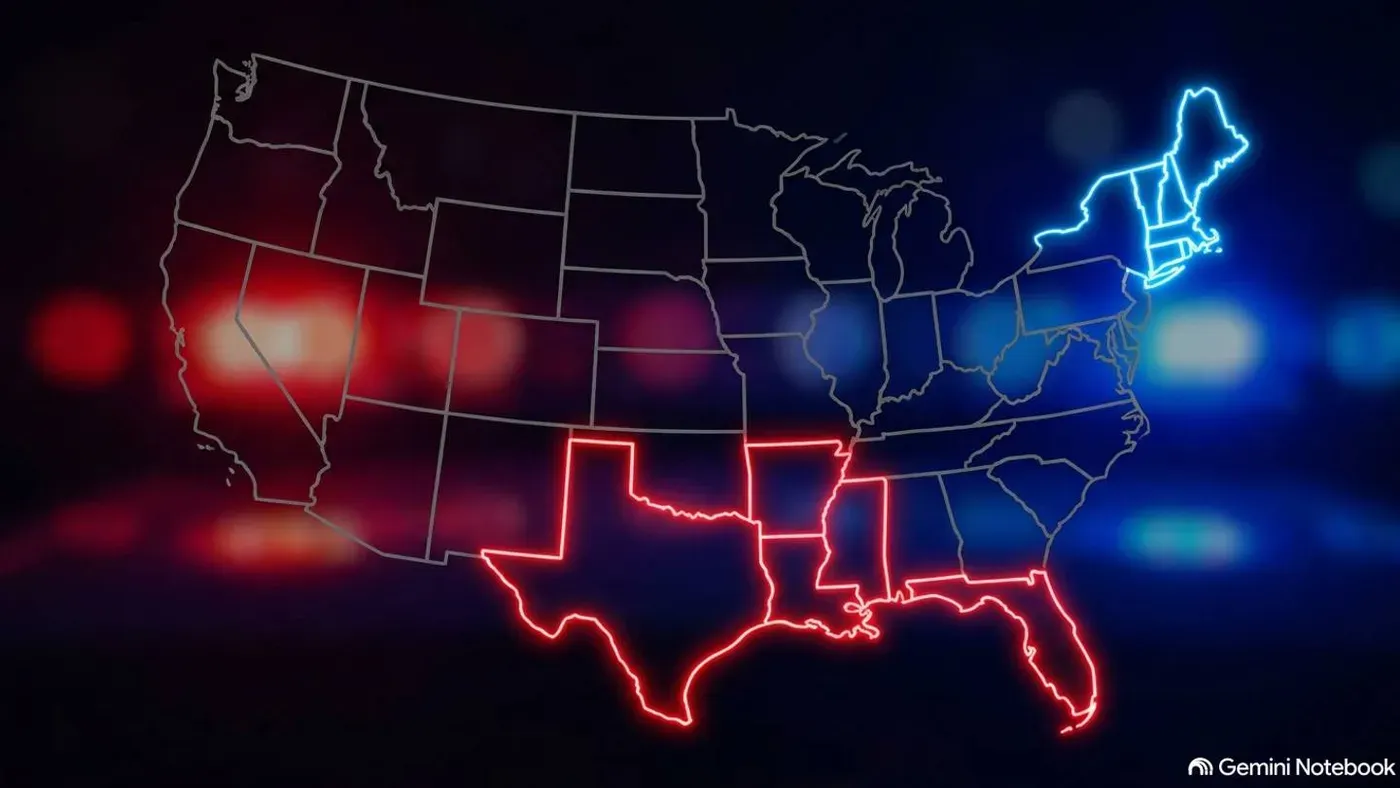
A new analysis has shed light on which states in the US are considered the safest and least safe based on various factors affecting personal and residential security.
The ranking of a state's safety largely depends on several key areas, including personal and residential safety, road safety, emergency preparedness, workplace safety, and financial security. These factors play a significant role in determining how secure or vulnerable people feel in their daily lives.
To determine the safest and least safe states, WalletHub analyzed a comprehensive set of data that contributes to a state's overall safety profile. The analysis covered a wide range of metrics, taking into account various aspects that impact an individual's sense of security.
While some states may excel in one or more areas, others struggle to meet basic safety standards. This disparity highlights the need for a holistic approach to addressing safety concerns and promoting a secure environment for residents.
The data-driven analysis provides valuable insights into which states are leading the way in terms of safety and which ones require improvement efforts.
The analysis took into account a wide range of factors that contribute to safety, including crime rates, economic stability, and access to law enforcement resources. These metrics included the number of terrorist incidents, mass shootings, assaults, manslaughter cases, registered sex offenders, and neighborhood watch groups, among others.
The data also considered various indicators of economic security, such as debt levels, unemployment rates, job security, and road fatalities. Additionally, factors like DUIs, work-related injuries, and climate disasters were factored into the analysis to provide a comprehensive picture of each state's safety profile.
Three states stand out as being among the safest in the country, all located in the Northeast region. Vermont, Massachusetts, and Maine top this list, with many surrounding states also ranking high in terms of safety.
The three safest states share common characteristics that contribute to their high rankings. For example, Vermont boasts a strong sense of community, with a high number of neighborhood watch groups per capita, which helps to prevent crime and promote public safety.
Vermont's economy is also a key factor in its safety ranking, with low unemployment rates and minimal thefts and murders reported. The state's traffic fatality rate is among the lowest in the nation, and identity theft complaints are relatively rare compared to other states.
Vermont's low crime rates are further underscored by its robust neighborhood watch groups, which number among the highest per capita in the country. The state also boasts an impressively low rate of thefts and murders, contributing to a safe living environment for its residents. Additionally, Vermont's unemployment rate is significantly lower than the national average, making it an attractive destination for people seeking employment opportunities. This stable economic climate likely contributes to the overall sense of security in the state.
Massachusetts ranks second on the safety list, with several factors contributing to its high ranking. One notable aspect is the large number of residents who are saving for their children's college education, indicating a strong focus on long-term planning and financial responsibility. The state also reports low numbers of sexual crimes and drug arrests, suggesting a relatively safe environment for citizens. Furthermore, Massachusetts has a significant number of EMTs serving its population, providing immediate medical assistance in emergency situations.
Massachusetts' safety record is further reinforced by its low incidence of mass shootings, ranking among the lowest in the country over a recent three-year period. This suggests that the state's residents and authorities are taking steps to prevent such violent incidents from occurring. The presence of EMTs also underscores the state's commitment to providing emergency medical services to those in need.
Maine ranks third on the safety list, with a notable absence of violence throughout the state. One aspect contributing to its high ranking is its strong financial stability, reflected in its 11th-best average credit score among all states. This suggests that Maine residents are managing their finances effectively and avoiding debt. The state's very low unemployment rate also contributes to its overall sense of safety and security.
Several other states round out the top 10 safest states in the country, including New Hampshire, Connecticut, Utah, Minnesota, Indiana, Rhode Island, and Hawaii. Each of these states has a unique combination of factors contributing to their high ranking, from low crime rates to strong financial stability and responsible planning for the future.
In addition to the top 10 safest states, New Hampshire, Connecticut, Utah, Minnesota, Indiana, Rhode Island, and Hawaii have also earned high marks for safety. Each of these states has a unique combination of factors contributing to their success, including low crime rates and strong financial stability. These states are also characterized by responsible planning for the future, which helps to mitigate potential risks.
In contrast, the three least safe states in America are located in the South: Texas, Louisiana, and Mississippi. These states have struggled with poor marks in various areas, including financial, residential, road, personal, and workplace safety. Furthermore, they have received low scores for emergency preparedness and are particularly vulnerable to severe weather events such as hurricanes and tornadoes.
Texas, Louisiana, and Mississippi are not alone in their struggles, however. Several other states have also ranked among the least safe in the country. These include Florida, Arkansas, Oklahoma, Missouri, Colorado, Alabama, and Georgia, all of which have faced challenges related to safety and emergency preparedness.
Mississippi stands out as the least safe state in America, with last-place finishes in nearly every category except residential safety. Alaska's poor performance in this area only serves to underscore the significant challenges facing Mississippi, which will need to take steps to address its vulnerabilities and improve its overall safety profile.
Facts based on reporting originally published by Mental Floss.
You may republish this story, in full or in part, if you credit News Central Site and link to it (licence CC BY 4.0). Photos are not included.