Plane Carrying Serbian Officials Forced to Return Due to Security Breach
A plane carrying high-ranking officials from Serbia's government was ordered back mid-flight due to concerns about national security after one of the passengers allegedly failed to undergo mandatory security screening.
A plane carrying three high-ranking officials from Serbia's government has been forced to return to Belgrade mid-flight due to a security breach.
The incident occurred on November 3 when Air Serbia flight JU134 was in Lithuanian airspace en route to Moscow. On board were Aleksandar Vulin, former defense and interior minister; Dusan Bajatovic, director of state-owned gas company Srbijagas; and Nenad Popovic, a minister without portfolio.
These officials are known for their close ties to Moscow and have been embroiled in controversy over allegations of corruption and abuse of power. Vulin has also faced US sanctions since 2023 for his alleged role in undermining the rule of law in the Western Balkans.
According to unofficial reports, the plane was ordered back because Vulin allegedly failed to undergo mandatory security screening before boarding. This raised concerns about national security and prompted the decision to divert the flight back to Belgrade.
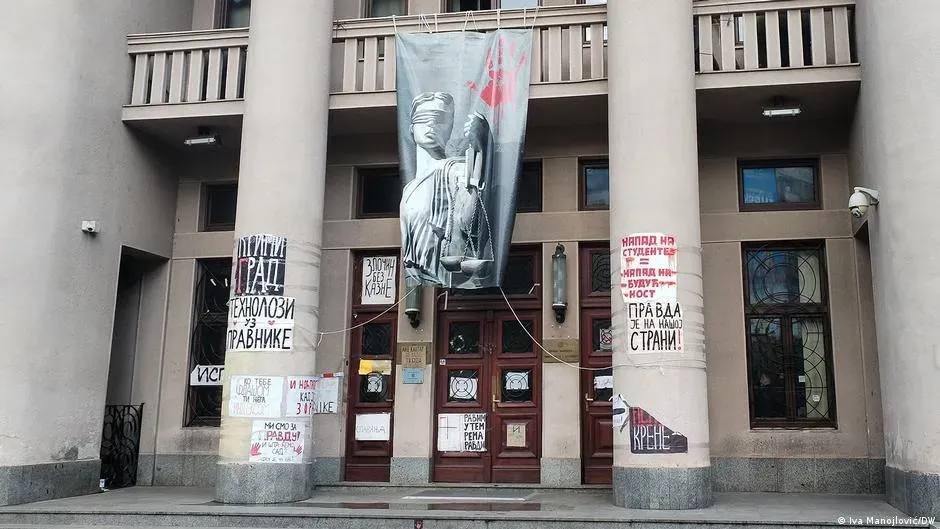
The aftermath of Serbia's parliamentary election has brought about a flurry of activity in the country's justice system.
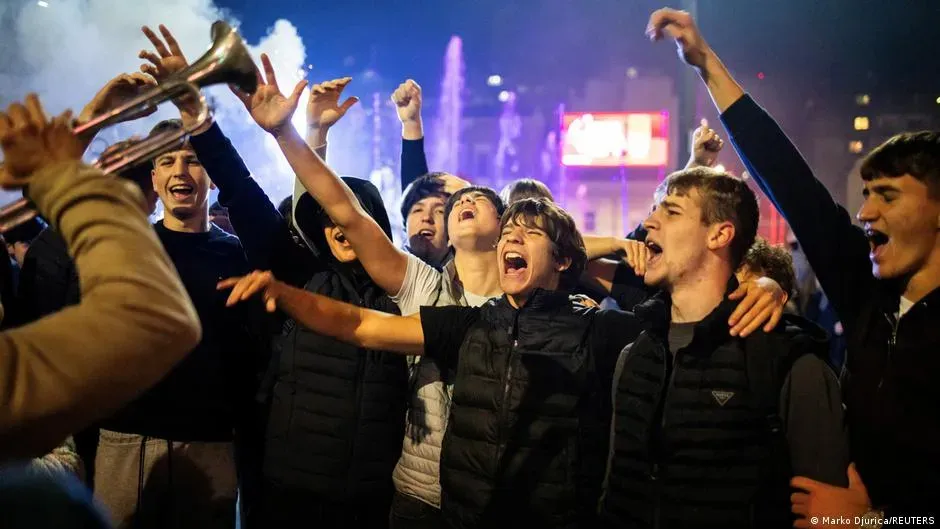
Just nine days after the student-backed list secured a landslide victory over the Serbian Progressive Party (SNS), which had dominated politics for 14 years, prosecutors began to take swift action against several individuals.
New criminal proceedings were launched and previously unresolved cases were reopened at an astonishing pace.
Prosecutors in Serbia are cracking down on suspected electoral manipulation, corruption, and abuse of public office as part of a post-election clean-up effort. This includes investigations into allegations of vote-buying, bribery, and other forms of electoral malfeasance.
In one notable case, four individuals were arrested in Novi Sad on suspicion of engaging in vote-buying activities. Meanwhile, six others were detained in Mali Zvornik for allegedly helping citizens from Bosnia and Herzegovina register their residence in Serbia to cast ballots.
The arrest of Davor Macura, owner of Alta Bank, has sent shockwaves through the Serbian business community. Macura is accused of illegally accessing his bank's vault and removing a substantial sum of money, estimated at around €383 million ($430 million). This arrest comes on the heels of the National Bank of Serbia revoking Alta Bank's license and initiating bankruptcy proceedings.
Macura's bank had significant ties to the state and a large number of Russian clients. His public association with the ruling party has raised eyebrows, fueling speculation about potential conflicts of interest. The National Bank's move against Alta Bank has also sparked concerns about the stability of Serbia's banking sector.
In addition to Macura's arrest, several high-ranking officials have been detained on suspicion of abusing their office and rigging public procurement procedures. These include senior police officials and managers of state-owned enterprises.
As the dust settles on Serbia's recent elections, a thorough clean-up of the country's institutions has begun. Incoming MP Tanja Arsic from the Students' List expressed optimism about the rule of law being upheld, citing existing regulations that allow for swift action.
However, reports and video footage have emerged suggesting that official documents may have been removed or destroyed in state institutions and public companies following the election. In response to these allegations, Prosecutor General Zagorka Dolovac issued a binding instruction on October 29 to all chief public prosecutors to prevent the destruction of records.
The Students' List has called upon employees in state institutions and the media to report any destruction of documents, aiming to prevent what they see as potential abuse by outgoing authorities during the transition of power. According to Savovic, even attempting to destroy official records is punishable by law.
Former President Aleksandar Vucic has claimed he is not afraid of being arrested, stating that no evidence of financial wrongdoing will be found against him.
The investigation into alleged financial wrongdoing by high-ranking officials in Serbia's previous government is focusing not just on signatures and documents but also on decision-making processes and who wielded power to influence deals.
Critics argue that arresting key players without sufficient evidence would be counterproductive, potentially leading to acquittals and undermining the credibility of the prosecution service.
Tanja Arsic emphasizes that the success of the prosecution should be measured by convictions and asset confiscation, not the number of high-profile arrests. She stresses the importance of conducting thorough investigations and gathering robust evidence before bringing charges.
Bojana Savovic echoes this sentiment, warning that rushing to indict without sufficient evidence would be disastrous.
Serbia's new government faces a daunting task in rooting out corruption and cronyism from the justice system.
The prosecution service and courts have long been criticized for being riddled with officials who prioritize loyalty over merit, often promoting individuals based on their ability to read the political climate rather than their qualifications or integrity. This has led to widespread concerns that any attempts at reform will be hindered by entrenched interests within the judiciary, police, and security structures.
The ultimate test of Serbia's commitment to change will come in the courtroom, where verdicts in key cases will reveal whether the country is genuinely breaking with its past or simply replacing one set of powerful figures with another.
Facts based on reporting originally published by DW English.
You may republish this story, in full or in part, if you credit News Central Site and link to it (licence CC BY 4.0). Photos are not included.