US-Iran Negotiations Intensify Ahead of Midterm Elections
The US and Iran are engaged in intense behind-the-scenes negotiations through mediators, with Iran offering to reopen the Strait of Hormuz energy corridor if certain conditions are met.
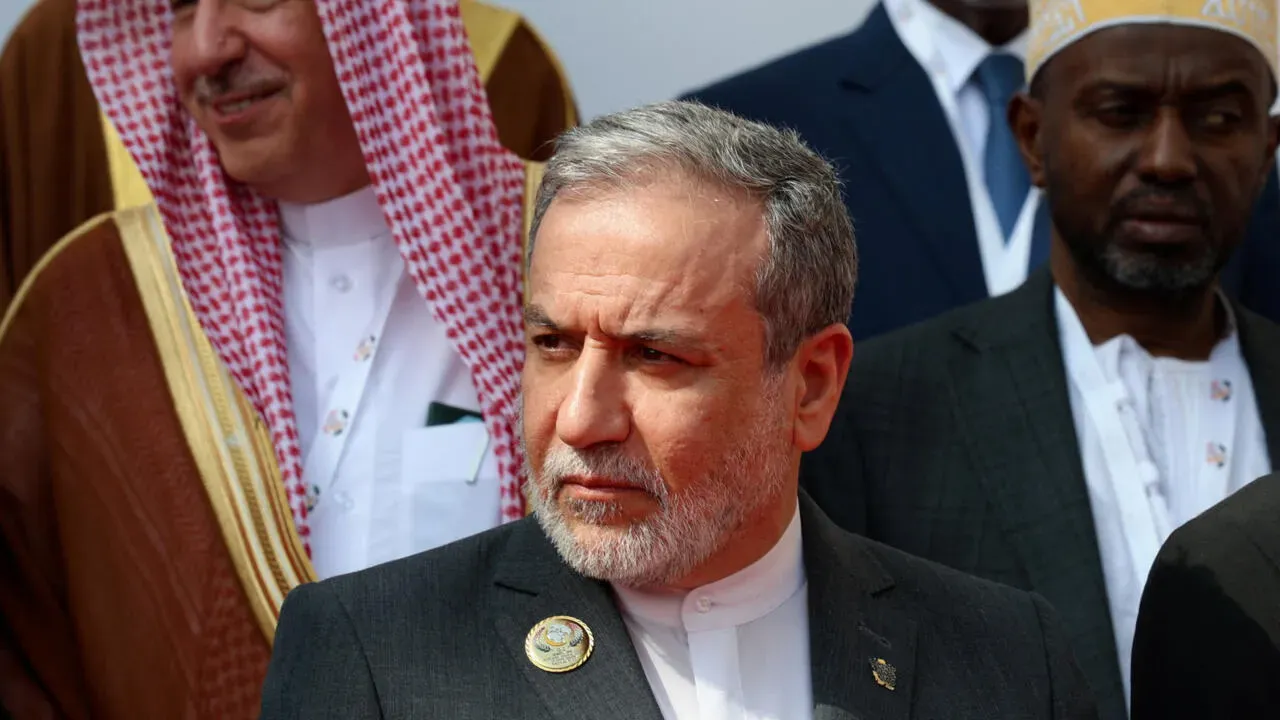
Iran has confirmed that it is engaged in intense behind-the-scenes negotiations with Washington to prevent a fresh outbreak of hostilities between the two nations. The talks come ahead of this week's US midterm elections and are taking place through mediators.
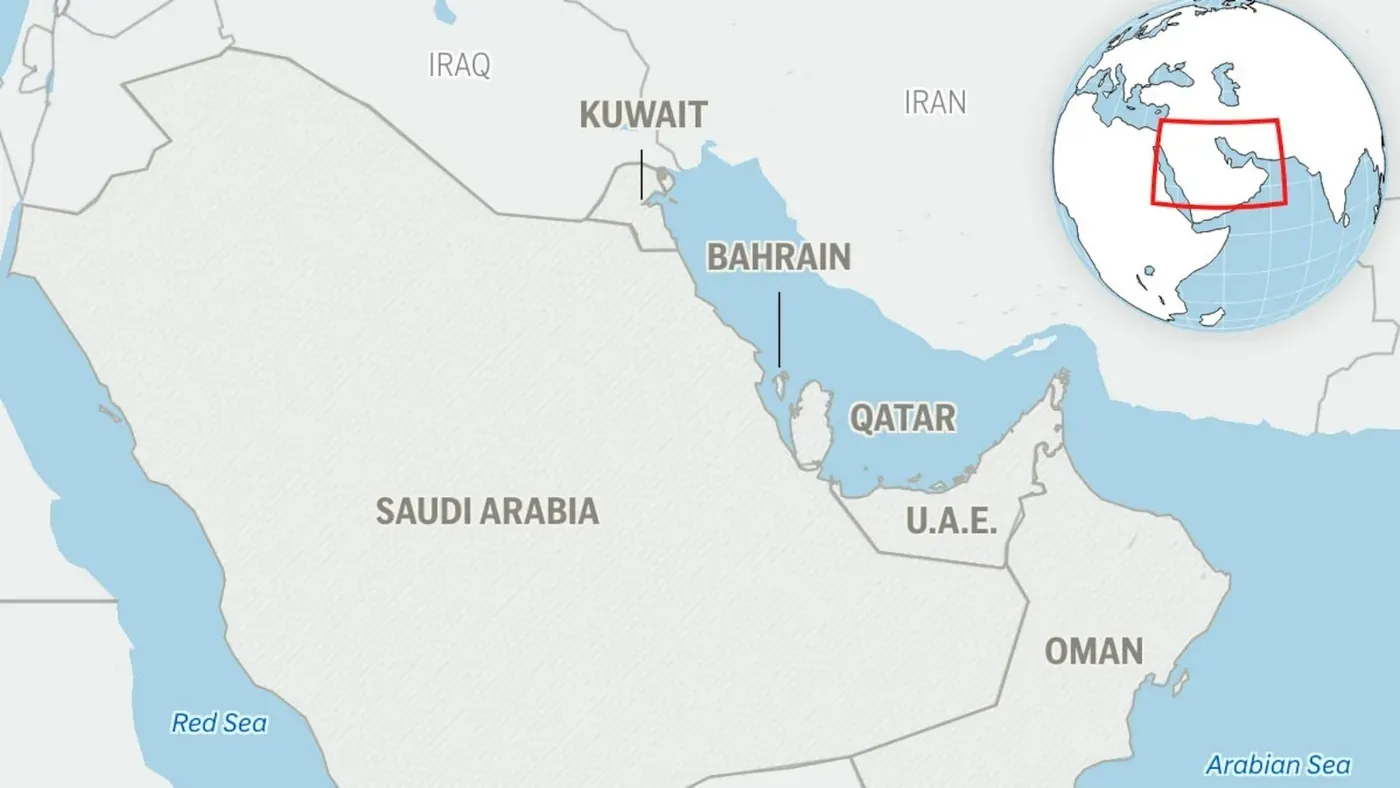
According to Foreign Minister Abbas Araghchi, the indirect discussions have been ongoing for some time and involve Iran offering to reopen the blockaded Strait of Hormuz energy corridor if certain conditions are met. However, no further details on these demands were provided by the Iranian official.
The tension between Iran and the US has led to a significant increase in oil prices over the past few months, with the latest drop coming after news of the negotiations emerged. Oil prices plummeted more than six percent on Monday, sparking hopes that the conflict may be nearing an end.
China's government has also weighed in on the situation, urging both sides to return to formal negotiations and resolve their differences peacefully. Meanwhile, Iran's security chief held talks with Russian President Vladimir Putin, although it is unclear whether this meeting was related to the current crisis or a separate issue.
Diplomatic efforts are intensifying as Qatar and Pakistan take on active mediating roles in negotiations between Iran and the US.
According to Axios, a recent letter from US Vice President JD Vance to Secretary of the Supreme National Security Council Mohsen Rezaei signals a new willingness for talks at the highest level. This development marks a significant shift in the diplomatic landscape after months of stalemate.
The US midterm elections are just around the corner, with polls indicating that dissatisfaction over the ongoing war and rising fuel prices may impact Republican prospects. Democrats expect to win control of Congress or at least partial control, which could lead to increased scrutiny of President Donald Trump's policies.
Iran's First Vice President Mohammad Reza Aref has interpreted recent messages from the US as an acknowledgment of Iran's military successes in past conflicts. He cited these perceived concessions as a sign that the US is willing to reevaluate its stance towards Iran.
Iran's proposals for reopening the Strait of Hormuz are contingent upon the US meeting certain demands, a senior Iranian official has stated. These conditions include ending all military operations against Iran, unfreezing Iranian assets, lifting oil sanctions, and terminating the counter-blockade of Iranian ports. According to the official, Iran is willing to implement its seven-day plan for reopening the strait if these demands are met.
The foreign ministry spokesman emphasized that Iran's readiness to open Hormuz within two days demonstrates the country's commitment to finding a peaceful resolution. He noted that this gesture reflects Tehran's good-faith approach in negotiations with Washington. The official reiterated that Iran's security concerns must be addressed before any progress can be made in the negotiating process.
The Iranian official stressed that the US is being given an opportunity to meet its obligations and restore stability to the region. He stated that everything depends on the US side accepting Tehran's demands, after which further discussions about restoring security to the Strait of Hormuz could take place. The official added that only once these conditions are met can Iran engage in subsequent stages of negotiations.
The Iranian proposals for reopening the strait remain conditional upon the US agreeing to meet its demands, the official emphasized. He warned that if these conditions are not met, the situation may deteriorate further, potentially leading to a fresh outbreak of conflict. The onus is now on Washington to decide whether to accept Tehran's terms or continue down a path of confrontation.
China's diplomatic efforts to prevent a fresh war outbreak in the Middle East have taken center stage as President Xi Jinping met with Oman's Sultan Haitham bin Tariq in Beijing on Monday.
The two leaders called for resolving disputes through political and diplomatic means, urging the US and Iran to pursue a peaceful path and achieve a ceasefire. This message was echoed by other meetings held in Beijing on Monday between Chinese officials and their Iranian and Saudi counterparts.
Beijing has expressed its support for Tehran's sovereignty and security, with Foreign Minister Wang Yi reaffirming China's stance during talks with Ali Bagheri, Iran's deputy secretary of the Supreme National Security Council.
Bagheri made it clear that Iran will not compromise on its national security, sovereignty, and territorial integrity, a position reiterated by Iranian state media after discussions between Russian President Putin and Iran's security chief Mohsen Rezaei.
Iranian officials have emphasized that the country's national security, sovereignty, and territorial integrity are non-negotiable. In order to build trust in these negotiations, the US must remove recent sanctions and decrease its military presence in the region.
The US has imposed a series of economic sanctions on Iran since August, aiming to restrict Tehran's access to international markets. The move is part of Washington's strategy to "asphyxiate" Iran economically. This escalation comes amid rising tensions with Israel, which saw Prime Minister Benjamin Netanyahu fail to secure a majority in last week's elections.
The US has also signaled its intention to target specific locations in Iran, including the Pickaxe mountain site in central Iran, which Tehran claims is not a nuclear facility. In response, Iranian officials have vowed to defend their country against any military attack, warning that such actions would trigger an immediate and comprehensive response.
Facts based on reporting originally published by France 24 English.
You may republish this story, in full or in part, if you credit News Central Site and link to it (licence CC BY 4.0). Photos are not included.