US House and Senate Control May Not Be Clear After Election Night
Election experts warn against premature claims of foul play or voter fraud as closely contested races make it challenging to declare a winner swiftly.
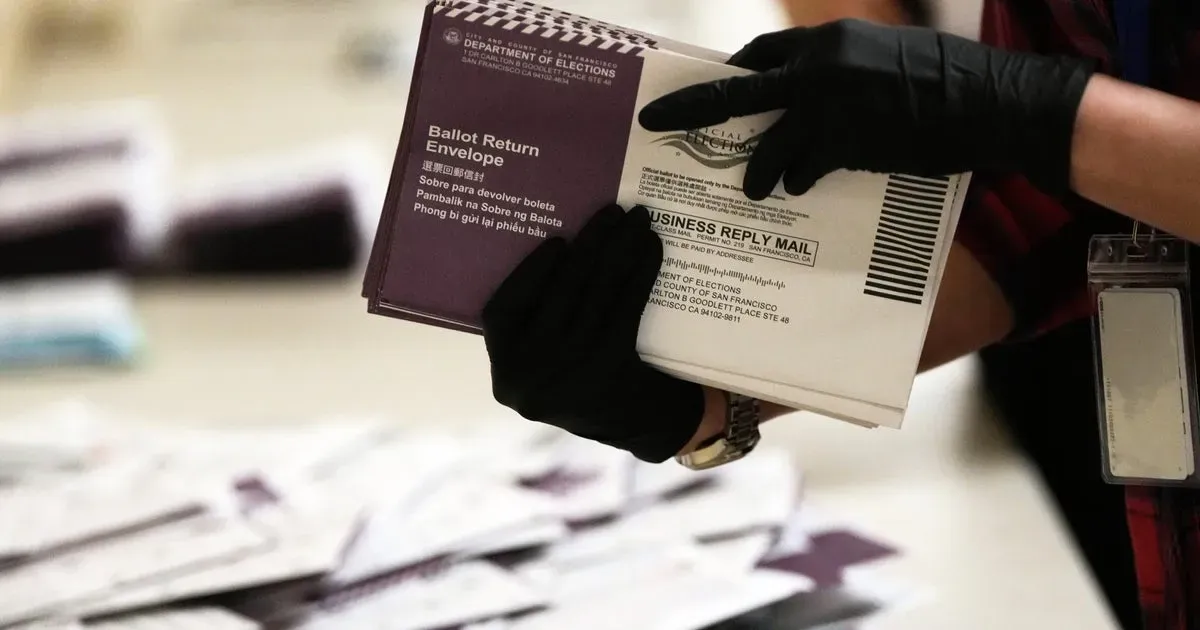
Control of the US House and Senate may not be clear immediately after polls close on election night due to the closeness of key races.
Election experts warn against premature claims of foul play or voter fraud as ballots are being cast and counted, urging voters to wait for evidence before jumping to conclusions. This caution comes as many critical contests will indeed be extremely close, making it challenging to declare a winner swiftly.
David Becker, executive director and founder of the Center for Election Innovation & Research, expresses uncertainty about whether Americans will know who controls Congress on election night.
The margin of victory plays a significant role in determining when election winners are projected by news outlets. This is because the outcome becomes more predictable as the gap between candidates widens. However, in closely contested races, the uncertainty persists even after polls close.
California's size and voting system make it a prime example of how some key races may not be decided on election night. The state has both races that are likely to be called quickly due to large margins and others where the outcome could take days or weeks to determine. This is partly because mail ballots, which can be received up to a week after Election Day if postmarked on time, take longer to count.
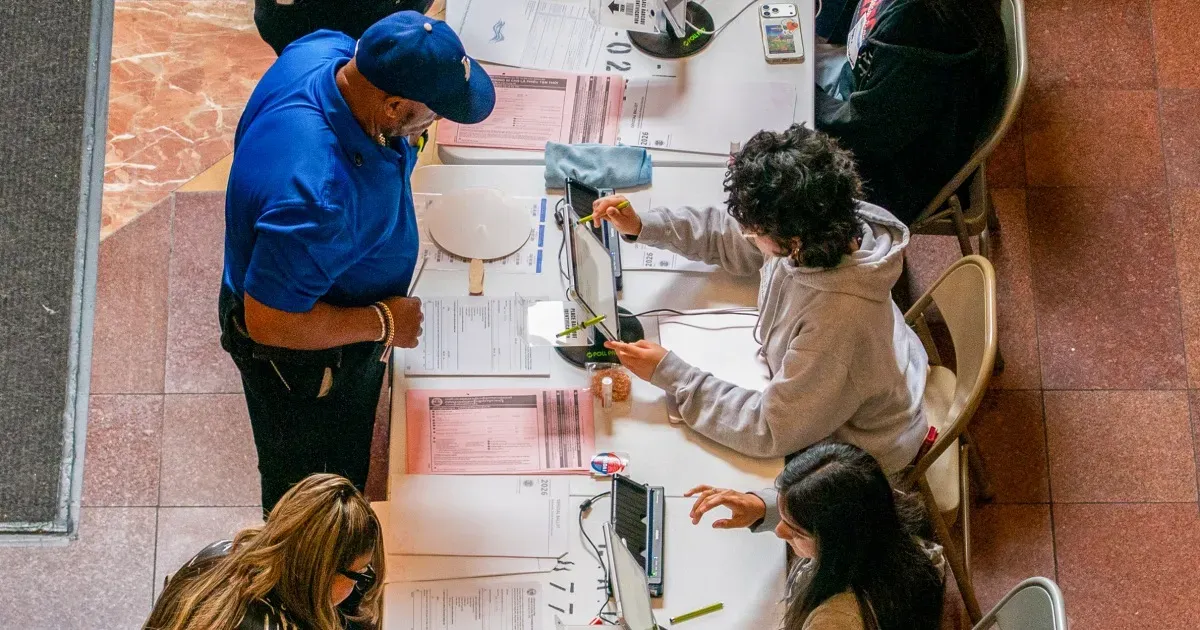
Mail ballots must undergo signature verification before being counted, a process that slows down the counting of votes in closely watched primaries. It's not uncommon for it to take several days to finalize the outcome of such races, as was seen in recent primary elections. This delay is due to the processing and verification of mail ballots received before Election Day.
Mail ballots received on Election Day or later are subject to a slower counting process due to the signature verification procedure that must be completed before they can be counted.
This delay is particularly relevant in counties where elections are typically very close, making every vote crucial in determining the outcome. In such cases, even a slight delay in counting mail ballots can significantly impact the final result. The scrutiny that these counties face is often amplified by intense media attention and public interest in the election's outcome.
Gates, who has personal experience with high-stakes elections, notes that Arizona's Maricopa County has been under close examination since 2020 when Joe Biden became the first Democrat to win the state since Bill Clinton.
Arizona's Maricopa County has been under scrutiny for some time now, having been at the center of attention since 2020 when Joe Biden became the first Democrat to win the state in nearly three decades.
The complexity of ballots and mail voting is a significant factor contributing to delayed vote counting. In Pennsylvania and Wisconsin, election officials are not allowed to process mail ballots until Election Day morning, which further slows down the counting process.
In addition to these factors, the varying composition of votes from different methods, such as mail-in, early in-person, and Election Day votes, can lead to shifting numbers throughout the night and days following the initial count.
The outcome of some key elections may not be clear on election night due to varying voting methods and their impact on vote counting.
Mail-in ballots, which have been criticized by President Trump as "mail-in cheating, didn't start favoring Democrats until 2020 when the pandemic led to a surge in mail voting. This shift in voting patterns has resulted in a phenomenon known as the red mirage effect, where early results of in-person voting may initially show a Republican leading.
This blue wave" effect is particularly evident in states where election officials cannot begin processing mail ballots until Election Day, such as Pennsylvania in 2020. In these cases, late-arriving mail-in votes can significantly impact the outcome of an election, causing it to swing in favor of the Democrat.
The processing of mail-in votes has a significant impact on election results, particularly in close contests where every vote counts. According to Becker, Election Day votes are typically counted first, followed by the processing of mail-in ballots.
Mail-in votes can swing an election in favor of the Democrat if they arrive late, but it is unclear whether this will be the case in these key races. If candidates complain about the process, it may indicate that they think they have lost, Becker noted, adding a humorous observation to the discussion.
Facts based on reporting originally published by CBS News Politics.
You may republish this story, in full or in part, if you credit News Central Site and link to it (licence CC BY 4.0). Photos are not included.