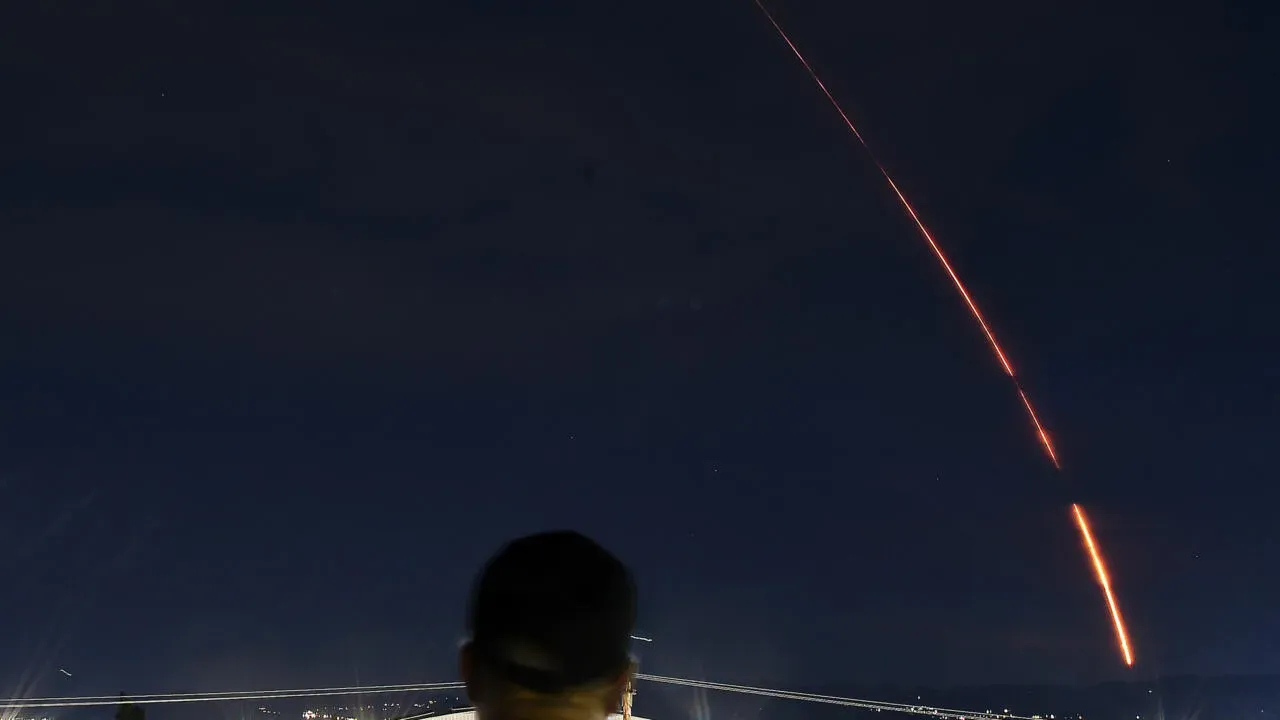
US-Controlled Starlink Internet Service Crucial for Ukrainian Military Communications
The US-controlled Starlink internet service has become essential for Ukrainian forces to maintain communication during the war against Russia.
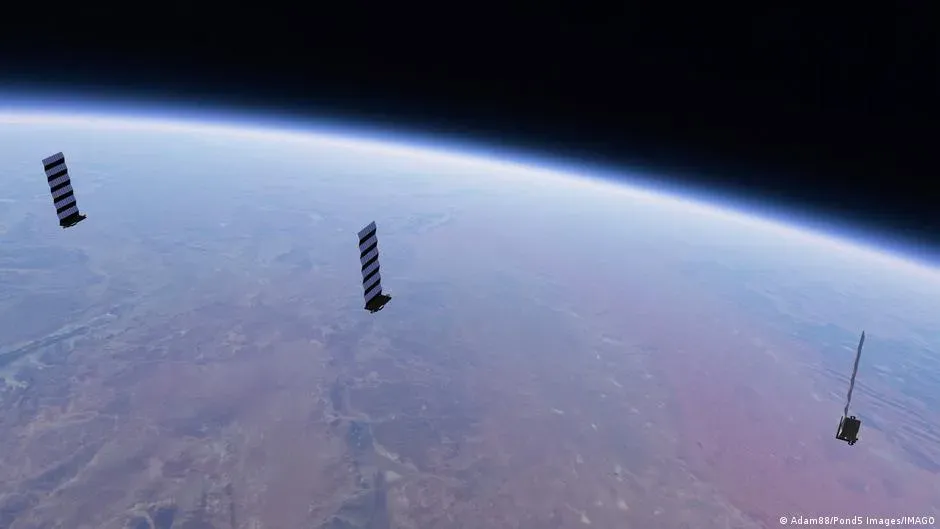
Ukraine's military has become heavily reliant on the US-controlled Starlink internet service to communicate and exchange data during the ongoing war against Russia.
The satellite internet system, operated by SpaceX, has been crucial in enabling Ukrainian forces to maintain communication even when infrastructure is destroyed or cellphone networks are down. This is particularly important for military personnel who need to stay connected with their command levels and receive real-time information on the battlefield.
A significant number of Starlink terminals have been deployed in Ukraine, with estimates suggesting that around 50,000 units were in use by 2025. These specialized devices enable Ukrainian forces to transmit and receive data, including drone footage, which is critical for reconnaissance and intelligence gathering.
The widespread adoption of Starlink can be attributed to the failure of the KA-SAT satellite system, which was previously used by Ukraine. The system was targeted in a cyberattack just hours before Russia's full-scale invasion in 2022, leaving Ukrainian forces without a reliable means of communication.
As a result, the Ukrainian military turned to Starlink as a vital alternative, and it has since become an essential component of their operations. However, with reports emerging of disruptions and restrictions affecting its use, there are growing concerns that Ukraine's reliance on the service may soon be curtailed.
Ukraine's military has been leveraging satellite internet services for reconnaissance and drone operations, relying heavily on real-time communication for coordinating attacks behind enemy lines.
The Starlink system, developed by SpaceX, provides an internet connection for ground, naval, and aerial drones, enabling video footage to be transmitted promptly while also allowing for the control of drones over long distances.
This reliance on satellite technology has been crucial in Ukraine's military strategy, with data sent via these communication channels including images and GPS coordinates of Russian positions used by artillery units to coordinate operations.
Ukrainian users have recently experienced disruptions to their Starlink services, with reports emerging that SpaceX temporarily introduced a speed restriction for terminals in motion, limiting speeds to approximately 160 kilometers per hour.
Ukrainian drones rely on fast and uninterrupted internet connections to transmit live video footage and receive real-time control instructions. The speed restriction imposed by SpaceX on Starlink terminals in motion would severely limit their ability to operate effectively.
The consequence of this limitation is that Ukrainian drones may have to continue their missions without critical visual guidance, essentially flying blind. This could compromise the success of drone operations and put them at a disadvantage against Russian forces.
Ukraine's defense system relies on multiple components, including Starlink, to function optimally. In addition to providing communication services, western partners also share reconnaissance data with Ukraine, which is essential for air defense and offensive operations.
This intelligence includes information about potential targets, such as Russian air attacks and anti-aircraft positions, as well as routes that Ukrainian forces can take to avoid them. By combining this data with the connectivity provided by Starlink, Ukraine's military units can make more informed decisions and execute their missions more effectively.
The synergy between reconnaissance data and Starlink services is particularly crucial for long-range drone operations against targets in Russian territory. Without access to timely and accurate intelligence, these operations would become much more challenging for Ukrainian forces.
The reliance on US-controlled Starlink internet service by Ukrainian forces raises concerns about access to timely and accurate intelligence. This is particularly worrying if reports of limited US reconnaissance data are true, as other NATO countries' contributions would be significantly less substantial.
While Europe offers alternative satellite communication services such as Eutelsat/OneWeb, their performance in wartime conditions has not been thoroughly tested on a large scale. Ukraine's reliance on Starlink highlights the critical role that private technology companies now play in modern warfare.
The successful use of Starlink by Ukrainian forces has brought global recognition to the system, but it also underscores the risks associated with relying on a single provider for crucial operations.
Facts based on reporting originally published by DW English.
You may republish this story, in full or in part, if you credit News Central Site and link to it (licence CC BY 4.0). Photos are not included.