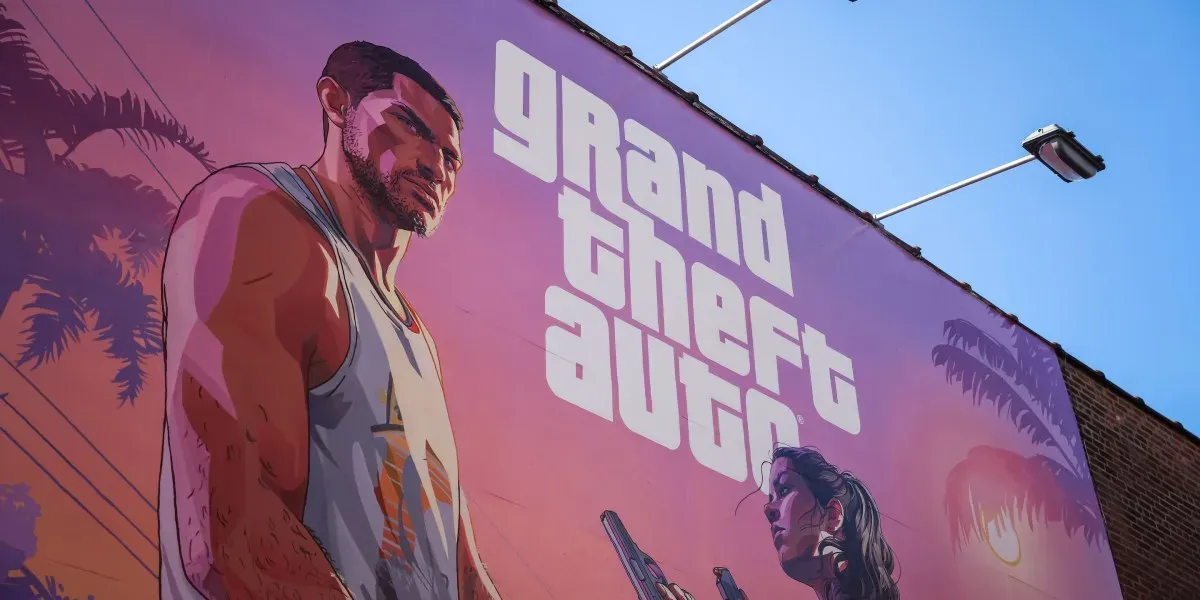
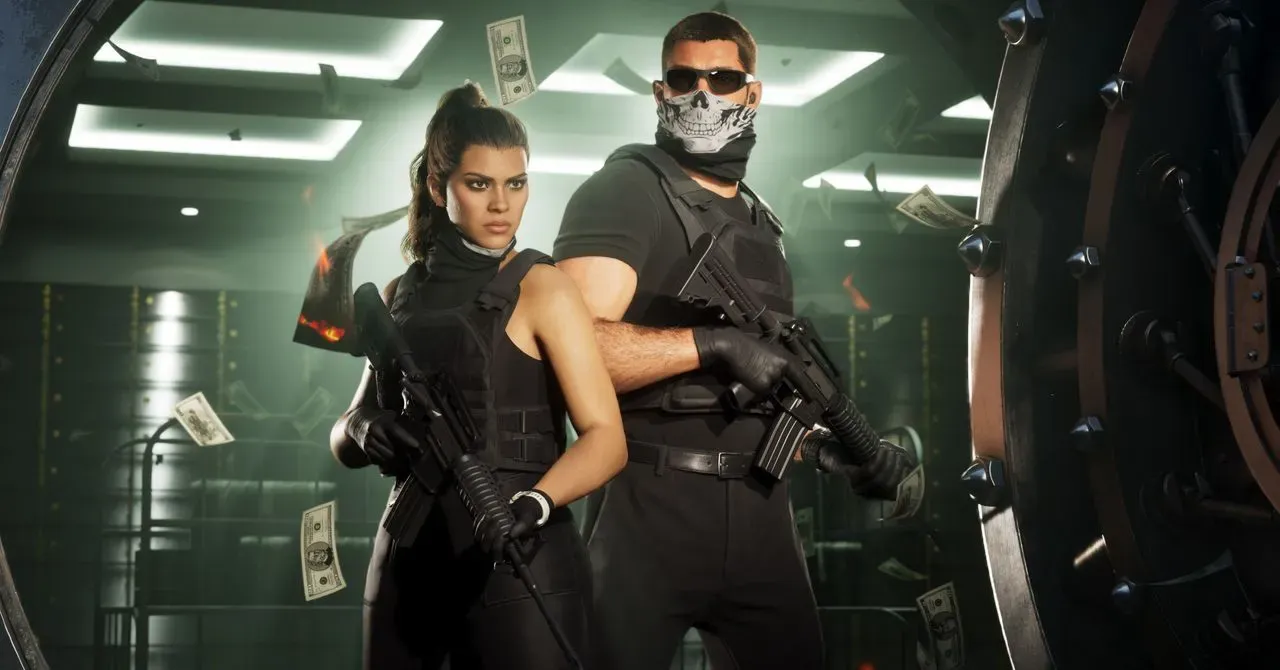
Grand Theft Auto VI Release Date Approaches
Millions of gamers worldwide are expected to take a collective day off work on November 19 as they eagerly await the release of Grand Theft Auto VI.

Millions of gamers worldwide are expected to take a collective day off work on November 19 as they eagerly await the release of Grand Theft Auto VI. The game's massive appeal is not limited to its engaging storyline or immersive gameplay; it has also become a cultural phenomenon that will likely generate unprecedented revenue.
When GTA VI hits stores, it will be more than just another blockbuster video game - it will be an experience unlike any other. Critics and gamers alike are predicting that the game will be a masterpiece, with many regarding it as the last of its kind before AI revolutionizes the industry.
The success of GTA VI can be attributed to Rockstar Games' ability to push the boundaries of artistic ambition in narrative video games. Over the past three decades, the industry has measured creativity by scale, with bigger teams and larger budgets allowing for more complex worlds and storylines.
As a result, developers have focused on creating sprawling virtual cities that are populated with intricate details and nuances, often requiring massive coordination efforts to bring them to life. The technological challenges involved in rendering these environments are significant, but the payoff is well worth it for gamers who crave immersion and realism.
The sheer scale of a blockbuster game like Grand Theft Auto VI is daunting to comprehend. Thousands of artists, programmers, writers, and designers worked tirelessly for nearly a decade to bring this vision to life, pouring their hearts and souls into every detail.
In the creative process, it's often necessary to let go of cherished ideas or even entire sections of work. Even on successful projects like Red Dead Redemption 2, significant chunks of content were cut from the final product. This is not a sign of failure but rather an acknowledgment that sometimes what doesn't belong must be removed.
As the size of the creative team grows, so does the complexity of making changes to the project's direction. Every major decision sets off a chain reaction, affecting hundreds or even thousands of individuals working on different aspects of the game. This can lead to a situation where the original concept no longer aligns with the final product.
The delicate balance between creation and revision is a crucial aspect of game development. It requires careful consideration and a willingness to adapt, often resulting in significant changes to the project's scope or direction.
Changing direction in game development can be a complex process, requiring careful consideration of numerous interconnected factors across various teams and production schedules. This is particularly true for large-scale projects like Grand Theft Auto VI, where abandoning an idea can have far-reaching consequences.
However, the arrival of AI technology has altered this dynamic by making it more cost-effective to change course mid-project. With AI, game developers can now prototype and test ideas earlier on, reducing the financial risks associated with changing direction later down the line.
This shift in creative economics is reminiscent of a similar inflection point faced by visual artists nearly two centuries ago when photography emerged. Many artists feared for their livelihoods as the market for commissioned likenesses collapsed, but some saw an opportunity to create new and innovative art forms that didn't rely on realism.
As technology continues to advance, game developers may soon find themselves liberated from the constraints of traditional game design.
The advent of AI could free up resources that would otherwise be spent on iterative improvements, allowing developers to focus on creating entirely new and innovative gameplay experiences.
This shift is reminiscent of the impact of photography on the art world, where painters were no longer bound by the need for realism.
Facts based on reporting originally published by Fortune.
You may republish this story, in full or in part, if you credit News Central Site and link to it (licence CC BY 4.0). Photos are not included.