The Golden Girls Premiered in 1985 and Ran for Seven Seasons
The show's success can be attributed to its talented ensemble cast, including Bea Arthur, Betty White, Rue McClanahan, and Estelle Getty.
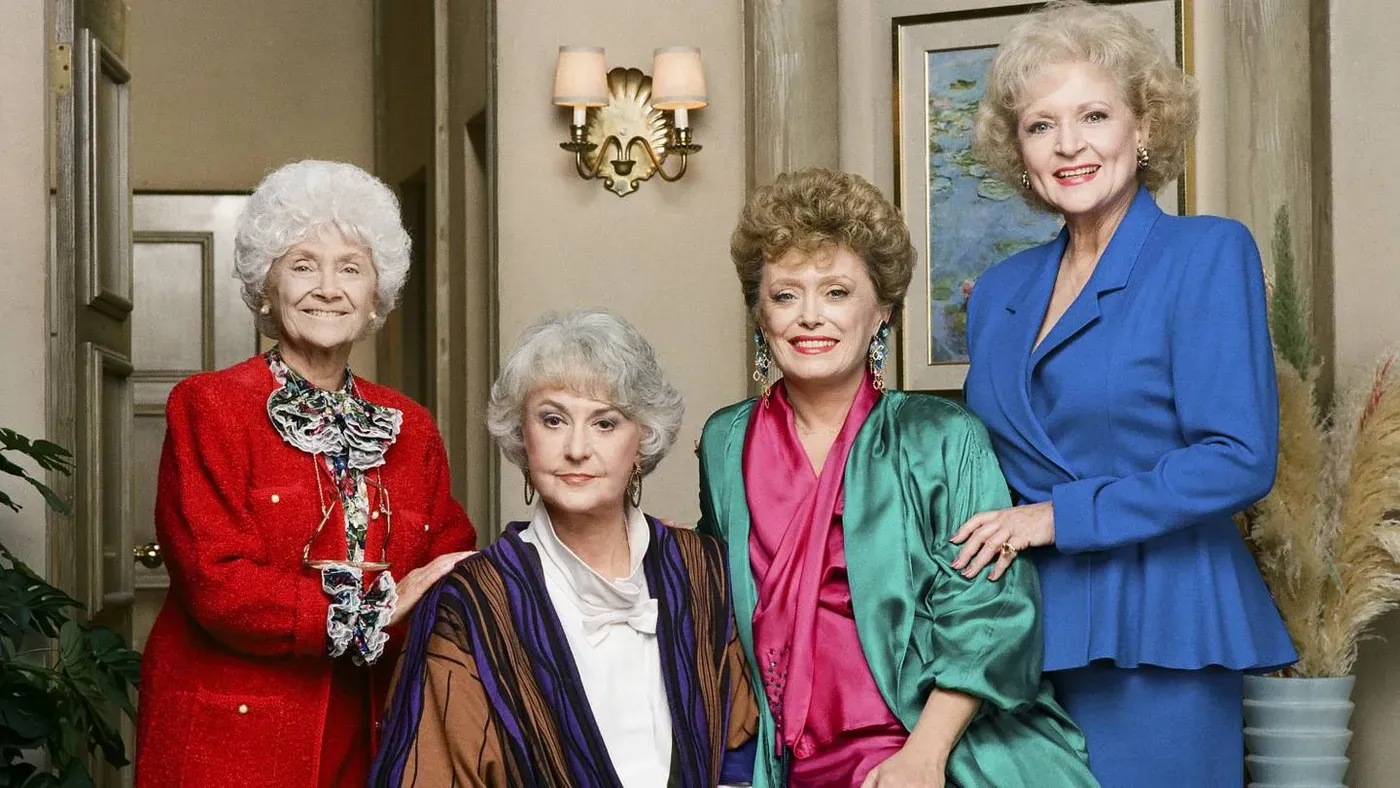
The Golden Girls revolutionized the sitcom genre when it premiered in 1985 and ran until 1992, defying expectations that a show centered around older women would fail to attract large audiences.
A key factor in its success was the talented ensemble cast of Bea Arthur, Betty White, Rue McClanahan, and Estelle Getty, who all played women navigating their 'golden age' and sharing a home together.
Each lead actress brought a wealth of experience to her role - McClanahan had previously starred in Maude and Mama's Family, while Arthur had appeared in both Maude and its predecessor All the Family.
The Primetime Emmy Awards recognized the exceptional work of all four leads from The Golden Girls, acknowledging their outstanding contributions to the show.
Betty White's portrayal of Rose Nylund was a pivotal part of the series' success, and her on-screen presence has become deeply ingrained in popular culture. Born in Chicago in 1922 as Betty Marion Ludden, she began making television appearances at an early stage in her career.
White's extensive experience in the entertainment industry earned her numerous accolades, including being the first woman to produce a sitcom, Life with Elizabeth, which aired from 1953-1955. This pioneering achievement marked a significant milestone in her illustrious career.
As a host of the game show Just Men!, Betty White made history by becoming the first woman to receive a Daytime Emmy Award. Her acting role in The Mary Tyler Moore Show solidified her position as a beloved figure on American television, but it's arguably her iconic portrayal of Rose Nylund that has cemented her legacy.
White was initially considered for another part in The Golden Girls, leaving fans to wonder what might have been if she had taken on the role. Despite this twist, she went on to deliver an unforgettable performance as the sweet and caring Rose Nylund.
The character's lovable nature made her a fan favorite, and White's portrayal of Rose remains one of the most iconic roles in television history.
Betty White's impressive career in television began long before her iconic role as Rose on The Golden Girls. She was a trailblazer in more ways than one, producing the sitcom Life with Elizabeth from 1953 to 1955, making her the first woman to helm such a project.
Her work behind the camera wasn't limited to production; White also made history as the first woman to receive a Daytime Emmy Award. This achievement came through her hosting duties on the game show Just Men!, showcasing her versatility in the industry.
White's acting career continued to flourish, particularly with her role on The Mary Tyler Moore Show, cementing her status as a beloved presence on American television. However, it was arguably her portrayal of Rose that defined her legacy and left an indelible mark on the world of comedy.
The casting process for The Golden Girls was quite complex, with many actors vying for roles. According to Jim Colucci, author of Golden Girls Forever, Betty White was initially cast as Blanche, a decision likely influenced by her previous character Sue Ann Nivens on The Mary Tyler Moore Show.
The casting process for The Golden Girls was far from straightforward. Initially, Rue McClanahan had her heart set on playing Blanche Devereaux, but she was told to read for Rose instead when Betty White was cast as Blanche.
Jay Sandrich, the director of the pilot episode, observed McClanahan's reading and saw an opportunity to make a change. He asked her to try out Blanche's lines, and then he approached White with the idea of swapping roles.
Betty White agreed to play Rose Nylund, bringing her own unique spin to the character. As author Jim Colucci notes, White played the role in a way that no one else could have, which was essential to the show's success.
The decision to swap roles proved pivotal for The Golden Girls, as it allowed each actress to bring their strengths to their respective characters. McClanahan's reading of Rose had impressed Sandrich, but he believed she would be even better suited to play the more confident and flirtatious Blanche.
The casting decision proved pivotal in shaping the character's on-screen presence.
Colucci attributes the success of the show to McClanahan's unique interpretation of Rose, which he believes few others could have matched.
The role swap is widely regarded as a masterstroke that elevated the series' overall quality and tone.
Facts based on reporting originally published by Mental Floss.
You may republish this story, in full or in part, if you credit News Central Site and link to it (licence CC BY 4.0). Photos are not included.