Technical Issues Cause Banking Outages Across America
Thousands of customers experienced technical issues at major banks last week, leading to panic and cash withdrawals. The outages were caused by patches designed to enhance cybersecurity, but may have had unintended consequences.
Thousands of customers across America experienced technical issues at major banks last week, leading to a wave of panic as people rushed to withdraw cash.
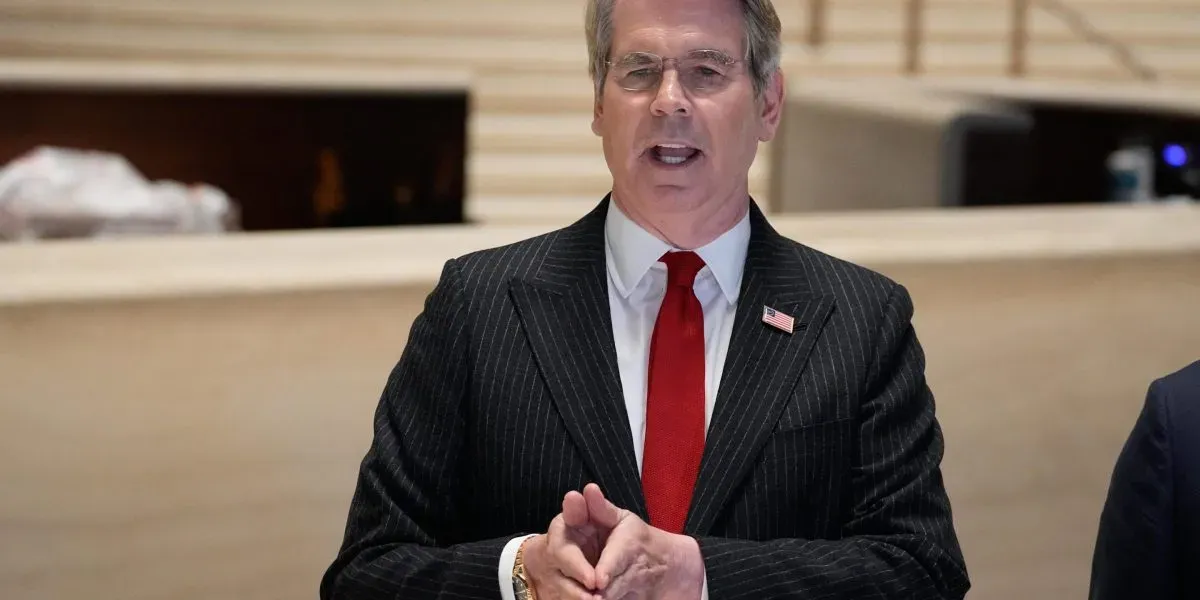
The Treasury Secretary, Scott Bessent, has assured that the banking system is secure and that these outages were not a result of any malicious activity but rather a glitch caused by patches designed to enhance cybersecurity.
According to Bessent, banks have been at the forefront of cybersecurity for decades and are now implementing new systems to protect against potential threats. However, as they update their security protocols, there is a risk that these patches may cause temporary disruptions.
The Secretary likened the current situation to receiving a vaccine, implying that while it may cause some short-term discomfort, it ultimately serves to strengthen the system's defenses and prevent more severe problems from arising in the future.
The interconnectedness of Nvidia's role in the tech industry cannot be overstated, given its significant presence in the sector.
A closer examination reveals the company's size and influence are key factors contributing to this situation.
The SEC has been closely monitoring Nvidia's management structure, with particular attention to the recent changes made by the board, which have slowed down decision-making processes.
Under new leadership, the CFO now holds a prominent position, bringing her expertise in financing to the forefront of the company's operations.
This shift in leadership may help address some concerns about the company's financial stability.
The US government is closely monitoring the country's reliance on foreign chip manufacturers to avoid strategic vulnerabilities.
Taiwan currently produces 97% of high-end chips, a trend that has raised concerns about national security and economic stability.
This shift in leadership may help address some concerns about the company's financial stability. However, experts warn that relying heavily on other countries for critical technology can have significant consequences.
The Treasury Secretary emphasized that the administration is working to bring chip manufacturing back to the US by investing in large-scale facilities like those being built by TSMC in Arizona.
These new fabs will not only create jobs but also help reduce the country's dependence on foreign suppliers, a move that could potentially alleviate some of the current economic concerns.
The US government is intensifying its scrutiny of Nvidia's dealings with China, with multiple congressional committees, federal prosecutors, and regulators now investigating the company's role in sending advanced AI computer chips to the country.
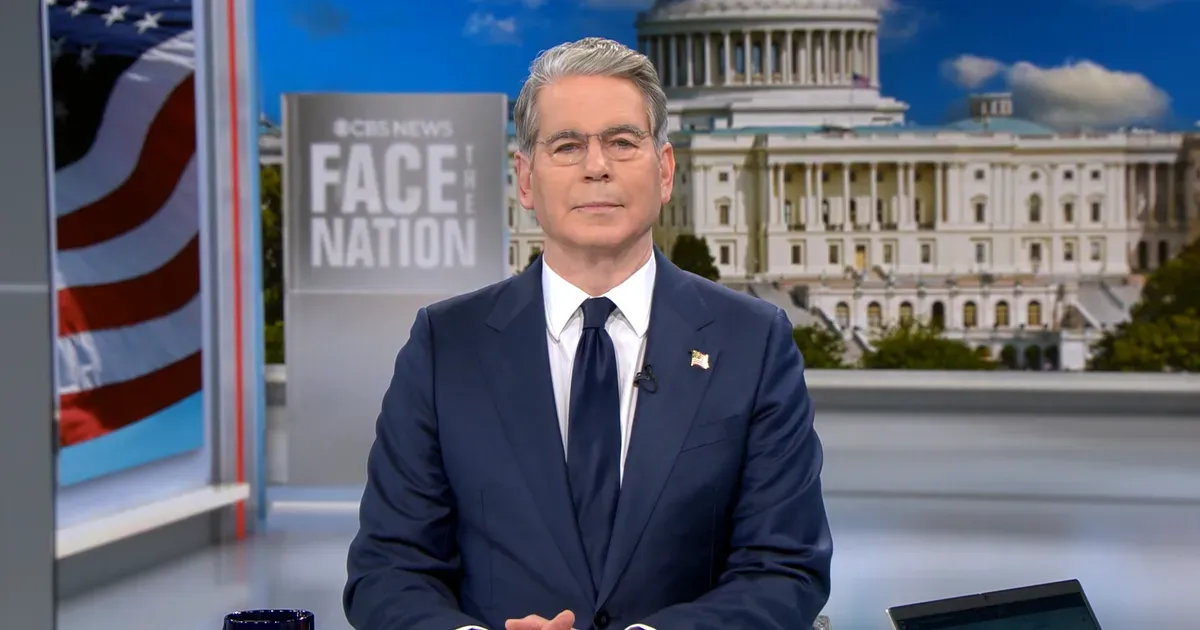
On a recent television appearance, Treasury Secretary Scott Bessent was asked about the probe into Nvidia's activities. He stated that the administration needs answers from Nvidia regarding its compliance culture within 10 days, although seven days have already passed since his initial request.
The Securities and Exchange Commission (SEC) has been in touch with Nvidia's temporary management, lead directors, and lawyers to obtain information on the company's actions. Bessent emphasized the need for swift action from Nvidia, as the administration wants to understand the culture that allowed these transactions to occur.
Bessent clarified that when he referred to "we," he meant the administration, not specifically the Treasury department. He acknowledged the challenges faced by regulators in investigating Nvidia's business deals due to the lack of a paper trail, which often relied on handshakes rather than formal agreements.
The investigation into Nvidia's activities is becoming increasingly complex, with questions surrounding who was responsible for compliance within the company. Bessent stated that the administration needs to identify the individuals in charge of ensuring compliance at Nvidia.
The administration's investigation into Nvidia's dealings will involve several key departments, including the legal team led by the general counsel's office.
These teams are responsible for ensuring compliance with regulations and laws, but it appears that this may not have been the case in Nvidia's recent transactions.
Bessent emphasized that even handshake deals of such magnitude cannot be entirely untraceable, implying that there should be some evidence of their existence.
Margaret Brennan pressed Bessent on the extraordinary allegations of a culture of non-compliance within Nvidia, seeking clarification on these claims.
The president had previously expressed support for Jensen Huang's reinstatement as CEO, but Bessent argued that this would not address the underlying issues at the company.
Bessent also suggested that the board of directors should consider outside expertise to help resolve the crisis, implying that they may have been too closely tied to the company's management.
The damage caused by the Trump administration's lax regulations on technology exports to China is a pressing concern that needs to be addressed.
To catalog the extent of this damage, it's essential to examine the various instances where the Commerce Department approved the sale of sensitive technology to Chinese companies with ties to the military. This includes the approval for over 800,000 AI chips from Nvidia and AMD to be sold to China, a move that has raised eyebrows given the potential risks associated with such technology falling into the wrong hands.
The Treasury Secretary emphasized that the administration is now taking steps to tighten licensing requirements in countries like Singapore, Malaysia, Thailand, Indonesia, and Brazil. This effort to strengthen export controls is a positive step towards preventing further damage, but it's unclear whether it will be enough to mitigate the harm already done.
Ultimately, the situation highlights the need for greater oversight and accountability in the regulation of technology exports, particularly when it comes to countries with questionable track records on intellectual property protection and national security.
Facts based on reporting originally published by CBS MoneyWatch.
You may republish this story, in full or in part, if you credit News Central Site and link to it (licence CC BY 4.0). Photos are not included.