Suiran Hotel Offers Immersive Culinary Experience in Kyoto
A boutique hotel in Kyoto offers multi-day itineraries that delve into local culture and cuisine, making it an ideal base for exploring the city's food scene.
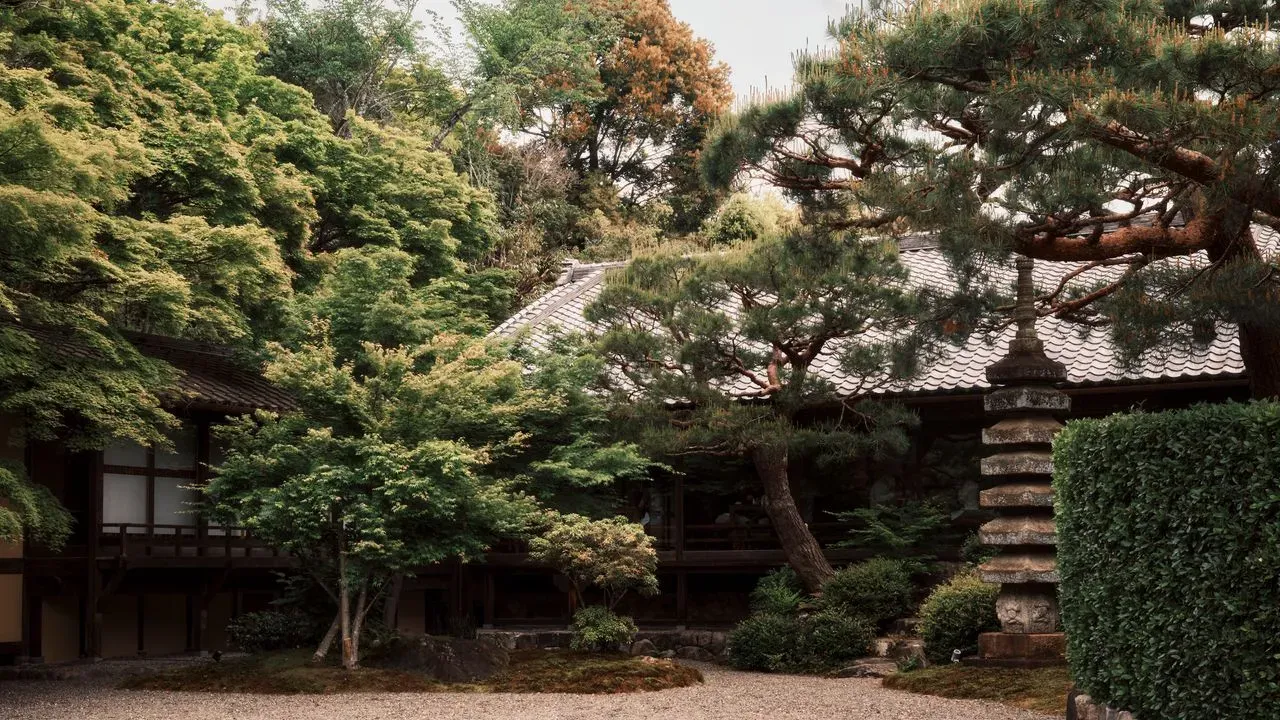
A recent trip to Suiran, a boutique hotel located along the banks of the Hozu river in Kyoto, Japan, offered a unique culinary experience that left a lasting impression.
Suiran's serene surroundings are nestled on the edge of the Arashiyama forest, an area renowned for its tranquil beauty and rich history. The hotel serves as an ideal base from which to explore the vibrant food scene in Kyoto, with numerous restaurants and cafes nearby offering a diverse range of culinary experiences.
Guests at Suiran can participate in immersive multi-day itineraries that delve into a region's culture, history, and cuisine. These curated expeditions are part of the Luxury Collection's offerings, allowing visitors to truly immerse themselves in the local food and drink traditions.
Kyoto is often cited as one of Japan's culinary hotspots, with its unique blend of traditional and modern flavors on offer everywhere you turn. From sweet amazake, a fermented rice drink, to black garlic sauce and pickled daikon, the region's cuisine is a true reflection of its rich cultural heritage.
The hotel itself has a rich history, dating back over a century, and its architecture reflects this timeless quality. As I explored Suiran, it was clear that its peaceful atmosphere was not just a result of its natural surroundings but also its carefully crafted design.
The entrance to Suiran is marked by a beautifully restored Meiji-era gate, its wooden structure displaying a unique blend of aged and revitalized characteristics.
Paths meander through the property's pebbled courtyard and stunning garden, leading visitors past the hotel's cafe before winding their way to the main building's lobby. The tranquil atmosphere created by this design is further enhanced by the serene surroundings.
In the guest rooms, low-slung furniture and soft lighting combine to create a cozy and intimate ambiance, particularly in the late afternoon when sunlight peeks through the bamboo framing of the attached outdoor spaces.
Seventeen of the 39 rooms at Suiran feature a patio onsen, a traditional Japanese mineral bath fed by the nearby Arashiyama hot springs. This unique amenity allows guests to unwind in private while taking in the natural beauty surrounding them.
The entire property is enveloped in an eerie quiet, as if it were the last building before the landscape gives way to parks, forests, and mountains that stretch out into the distance.
The hotel's back room teppanyaki is an intimate space for up to four guests, where a chef's counter with a flat top grill offers a unique dining experience.
As part of its Luxury Collection itinerary, which takes guests on a culinary journey from Tokyo to Kyoto and Nara, Suiran has launched a one-day fermentation expedition for the adventurous foodie.
The excursion began at a 5-acre farm owned by the Mori family, long-time Kyoto pickle makers, where I had the opportunity to plant eggplant destined for a fermented future under the guidance of the Mori family's expert hands.
From there, it was on to Kyo-Tsukemono Mori, a factory that has been perfecting the art of pickling vegetables for over half a century and is renowned for its traditional methods.
The process of fermentation at Kyo-Tsukemono Mori is quite different from what most people are familiar with, involving burying vegetables in a mixture of nuka, salt, and water where natural bacteria and yeast work their magic.
The culinary experience at this luxurious hotel in Kyoto was nothing short of extraordinary. The chef expertly prepared each dish live, showcasing his skills behind the grill as he handled delicate ingredients like pike conger and live lobsters.
The menu featured an array of rich flavors and textures, with dishes carefully crafted to highlight the unique characteristics of each ingredient. For example, a bowl of abalone was paired with fresh asparagus and a sauce made from miso, koji, and black garlic, creating a harmonious balance of flavors and sensations on the palate.
In addition to its emphasis on rich flavors and textures, the hotel's culinary team also prioritized using local ingredients throughout the meal. This included sweet mangani peppers, which were first bred in the area around the same time the hotel was constructed, and kamo eggplant accompanying a Wagyu tenderloin.
Facts based on reporting originally published by Bon Appetit.
You may republish this story, in full or in part, if you credit News Central Site and link to it (licence CC BY 4.0). Photos are not included.