Southeast Alaska Fishing Trip Highlights Tlingit Cultural Heritage
In a remote corner of Southeast Alaska, I've been immersed in the traditional fishing practices of my Tlingit ancestors. My connection to this land and its people has deepened as I learn...
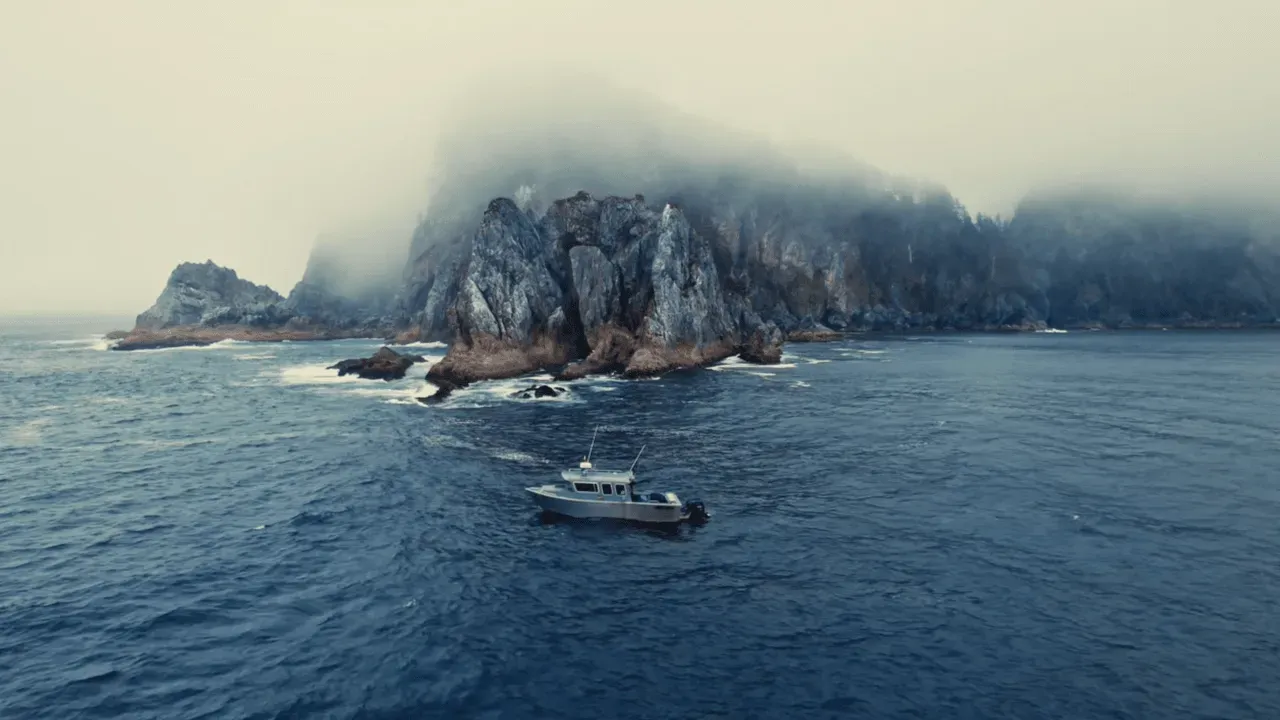
In a remote corner of Southeast Alaska, I've been immersed in the traditional fishing practices of my Tlingit ancestors. My connection to this land and its people has deepened as I learn about their rich cultural heritage. The waters off Ketchikan's coast are renowned for their abundance of Chinook salmon, and I'm currently engaged in a battle with one.
The fish on the end of my line is putting up quite a fight, but our expert guide advises me to let it tire itself out before reeling it in. Following his advice, I stay steady and allow the fish to exhaust its energy. When the time is right, I slowly pull it aboard, where it's met with a triumphant whoop from my companion.
The salmon we've caught weighs around 15 pounds and has a silvery-blue hue with black speckles, making it a prized catch in these waters. As our guide hefts it into our North River cabin cruiser, I take a moment to appreciate the serene surroundings, the reflections of the blue sky above ripple across the pristine water below, while dense forests and coastal cliffs rise up on either side.
The experience has reminded me that my Indigenous ancestors likely fished this very spot centuries ago. The connection between these waters and my Tlingit heritage is palpable, even in the midst of a bustling fishing trip.
As I reflect on our journey so far, I'm aware that reconnecting with my roots has been a long and winding path for me. It began when I learned about my Alaska Native ancestry a decade ago, at the time, I was living in Minnesota, far from the ancestral homelands of my tribe. Since then, I've felt drawn to learn more about Tlingit culture.
As I arrived at Steamboat Bay Fishing Club, nestled in the remote Noyes Island, I was surrounded by unspoiled old-growth forest that stretched right up to the edge of its serene shoreline.
The journey to get there had been just as breathtaking, with a 45-minute floatplane ride over Tongass National Forest, the world's largest intact temperate rainforest, offering stunning views before landing at the lodge's private dock.
Certified for its sustainability efforts, Steamboat Bay has operated on Noyes Island since 2013 and accommodates only a maximum of 24 guests, ensuring an intimate experience for those who stay here.
My three-night stay was filled with activities that catered to both relaxation and adventure, including guided fishing excursions, gourmet chef's dinners, rejuvenating massages, nature walks, and nighttime storytelling sessions around the fire pit.
The natural beauty of this Alaskan wilderness was on full display during my visit, with sightings of bald eagles, orcas, humpback whales, sea otters, and sea lions adding to the already awe-inspiring experience.
Athey's easygoing nature hides years of experience in fishing, passed down from his Indigenous ancestors. He shares stories of growing up in Alaska, drawing regular guests back to the resort each summer who are eager to learn about the significance of fishing for the state's 229 federally recognized tribal nations.
Fishing is a vital part of life in Alaska, where it serves as both a livelihood and a means of survival, particularly for rural populations. Athey lives on Prince of Wales Island near Klawook, where he shares knowledge with guests about traditional methods used by his ancestors to catch fish. He often talks about the old ways people fished using wooden halibut hooks.
Salmon holds immense cultural significance in Alaska Native communities, who have been stewards and sustainable harvesters of wild salmon runs for millennia. The state's rural population relies heavily on subsistence hunting and fishing to feed their families, making it a crucial part of daily life. Traditional dances, artwork, and oral histories all honor the role of salmon as a vital food source and cultural symbol.
In Tlingit culture, salmon is considered sacred, representing abundance, renewal, and life itself. Many summer fish camps built by Alaska Native communities remain in use today, showcasing their commitment to sustainable fishing practices that have been passed down through generations.
The main lodge at Steamboat Bay is adorned with vibrant artwork celebrating the region's wildlife, including intricately carved paddles and bentwood boxes, as well as a massive cedar panel above the fireplace.
A local artist, Athorp, created these pieces, showcasing his exceptional craftsmanship as both an artist and carver. His work is deeply rooted in his Haida-Tsimshian heritage, reflecting a commitment to cultural preservation and resistance against erasure.
A significant part of Athorp's artistic foundation lies in his family's history, particularly the influence of his grandfather Jones Yeltatzie. Yeltatzie attended Mt. Edgecumbe boarding school in Sitka, an institution established by the Bureau of Indian Affairs in the 1940s to educate rural Alaska Native students.
The boarding school experience had a profound impact on Yeltatzie's life and artistic development. As he was self-taught in traditional carvings due to the suppression of Indigenous cultures during his time at the school, his technique showed some rough edges.
Spending hours on the water, fishing for salmon is not just about reeling in a catch. It's also about sharing stories and laughter with fellow anglers who become like family by the end of the day.
As we soak up the serene beauty of Southeast Alaska's wilderness, our conversations flow as easily as the current, bridging connections that transcend generations and cultural backgrounds.
Facts based on reporting originally published by Conde Nast Traveler.
You may republish this story, in full or in part, if you credit News Central Site and link to it (licence CC BY 4.0). Photos are not included.