Smart Glasses Raise Concerns for Covert Surveillance
The rise of AI-powered smart glasses has raised concerns about their potential misuse for covert surveillance, with visible indicators that can help identify their use.
The rise of smart glasses has raised concerns about their potential misuse for covert surveillance. While these gadgets might seem like a futuristic innovation, they can be easily exploited for unwanted observation. With the increasing trend of public recording under scrutiny, it's essential to know how to identify AI-powered glasses.
Some people may find themselves in situations where they suspect someone is wearing AI glasses, but approaching them directly could be perceived as intrusive or rude. Fortunately, most smart glasses brands have incorporated visible indicators that can help identify their use. These signs of use are not foolproof, but they provide a starting point for being more vigilant.
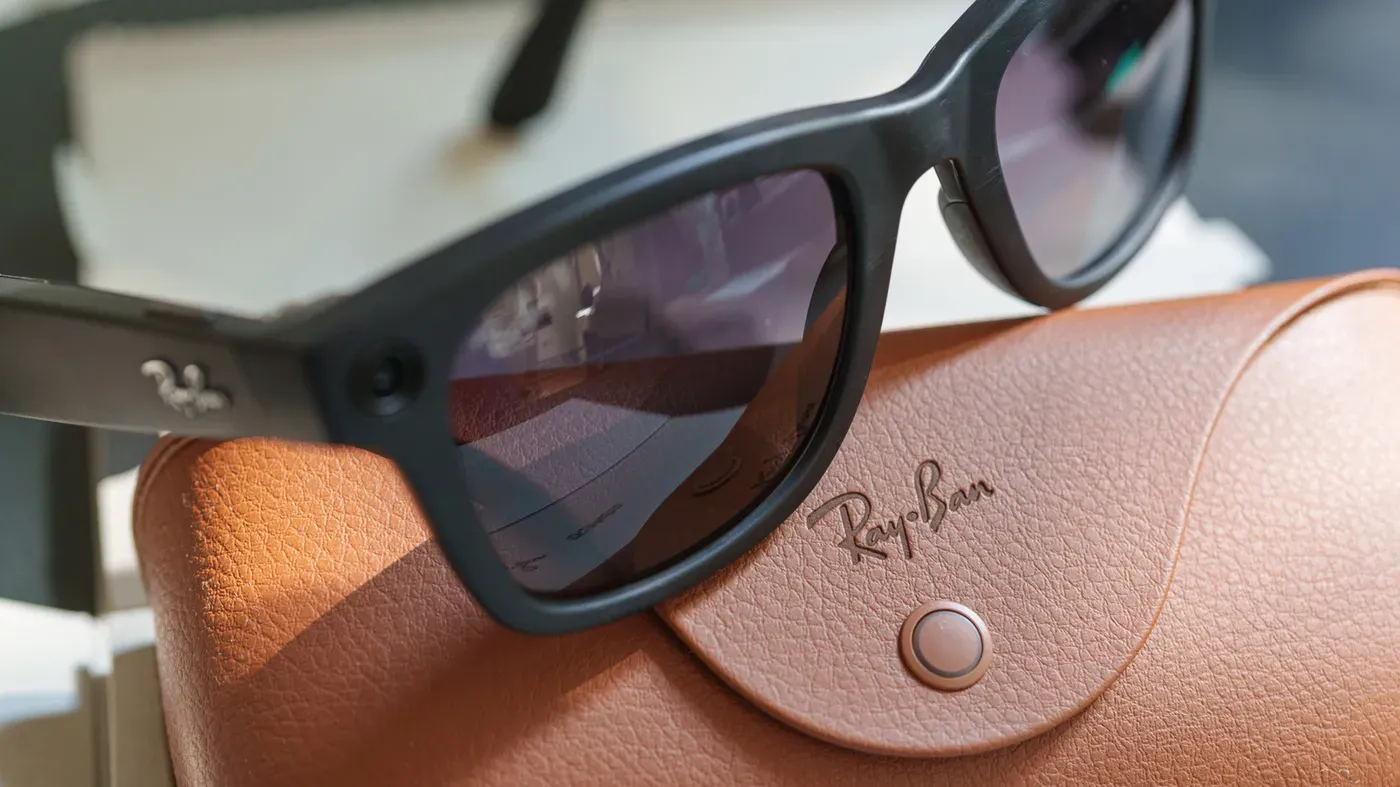
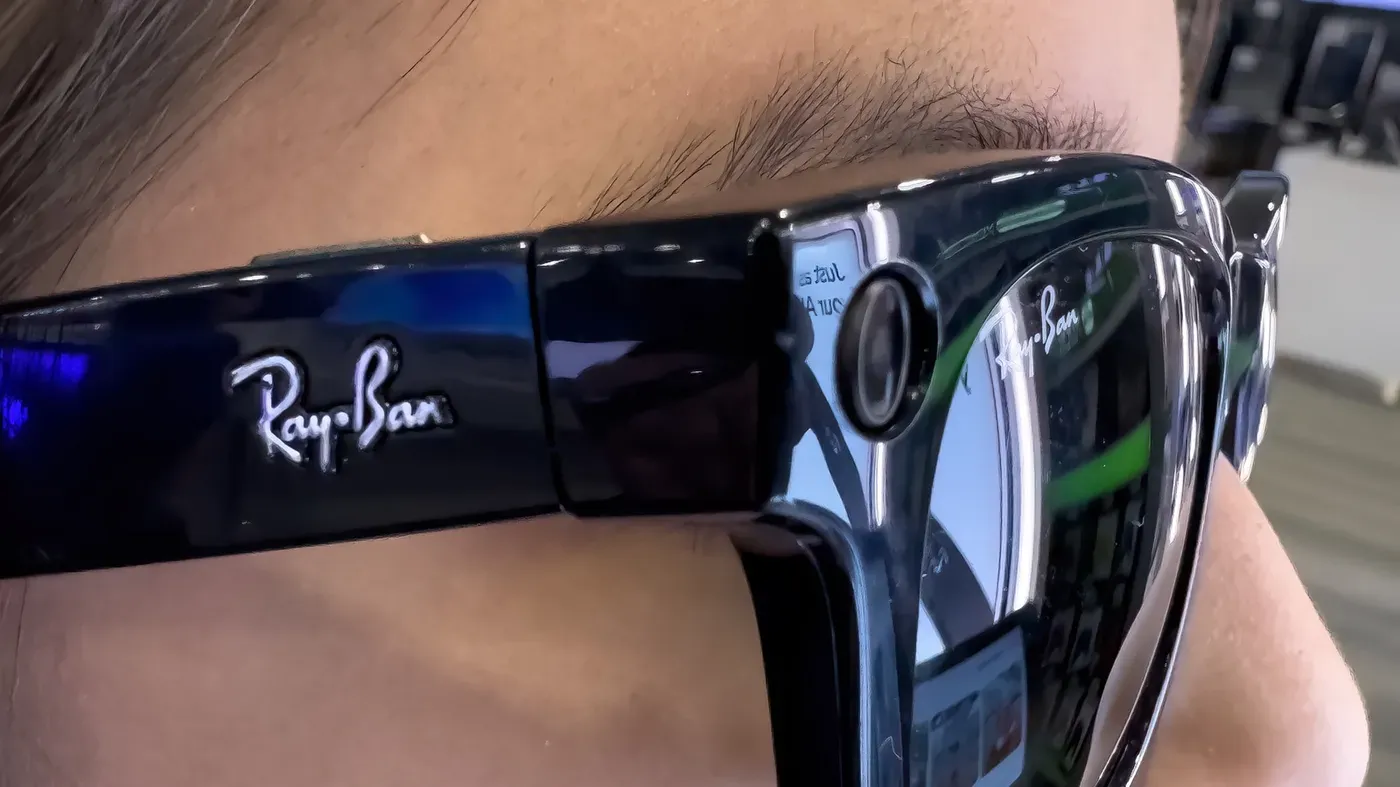
Smart glasses often have distinct features that set them apart from regular eyewear. A key giveaway is the thickness of the frames, particularly around the temples and the outer sides of the lenses. The latter area typically houses camera lenses, while other visible ports or grilles might be located further back on the design.
When it comes to identifying AI glasses in use, look out for an indicator light that turns on when filming is taking place. This small LED light can be a clear sign that someone is capturing footage with their smart glasses. Being aware of these visual cues can help individuals avoid being caught off guard by unwanted surveillance.
While AI glasses are not yet widely adopted, it's crucial to stay informed about the potential risks associated with them. As more people become accustomed to wearing these devices, it's essential to know how to recognize and respond to their use in public spaces.
When it comes to identifying AI glasses in public spaces, physical characteristics are just one aspect to consider. Some low-cost alternatives to genuine smart glasses have been popping up on online marketplaces like TikTok Shop and Temu, which can make spotting the real thing even more challenging.
These counterfeit models often lack a recording light, but that's not always a reliable indicator. For instance, there are audio-first smart glasses available, such as the Ray-Ban Meta Audio Glasses, which don't have cameras at all. As a result, you'll need to take a closer look for other signs of AI glasses in use.
One potential giveaway is someone quickly pressing the temples of their glasses while also pausing occasionally to glance down or zone out. This behavior could indicate that they're interacting with their smart glasses' display, although it's possible that these actions are unrelated.
Additionally, if you notice someone whispering quiet voice commands to themselves, it may be a sign that they're using their AI glasses in public. However, it's essential to remember that this behavior alone doesn't necessarily confirm the presence of smart glasses.
The emergence of apps like Nearby Glasses and ZuckOff has provided some tools for detecting nearby AI glasses. These apps scan for Bluetooth devices associated with smart glasses and can alert you if they're present. While not foolproof, these apps can serve as a starting point for identifying potential threats in public spaces.
When encountering someone who may be using AI glasses, it's essential to exercise caution and not jump to conclusions. Moving away from the individual is a prudent step, as this reduces the potential for confrontation or escalation.
If you're hosting an event that requires confidentiality, consider making a statement about the non-permissibility of smart glasses to set clear expectations. In any case where speaking with a stranger is necessary, do so calmly in a public environment, ensuring the conversation remains low-key and avoidant of tension.
Facts based on reporting originally published by Engadget.
You may republish this story, in full or in part, if you credit News Central Site and link to it (licence CC BY 4.0). Photos are not included.