Samsung Limits Major Updates for 2023 Flagship Phones
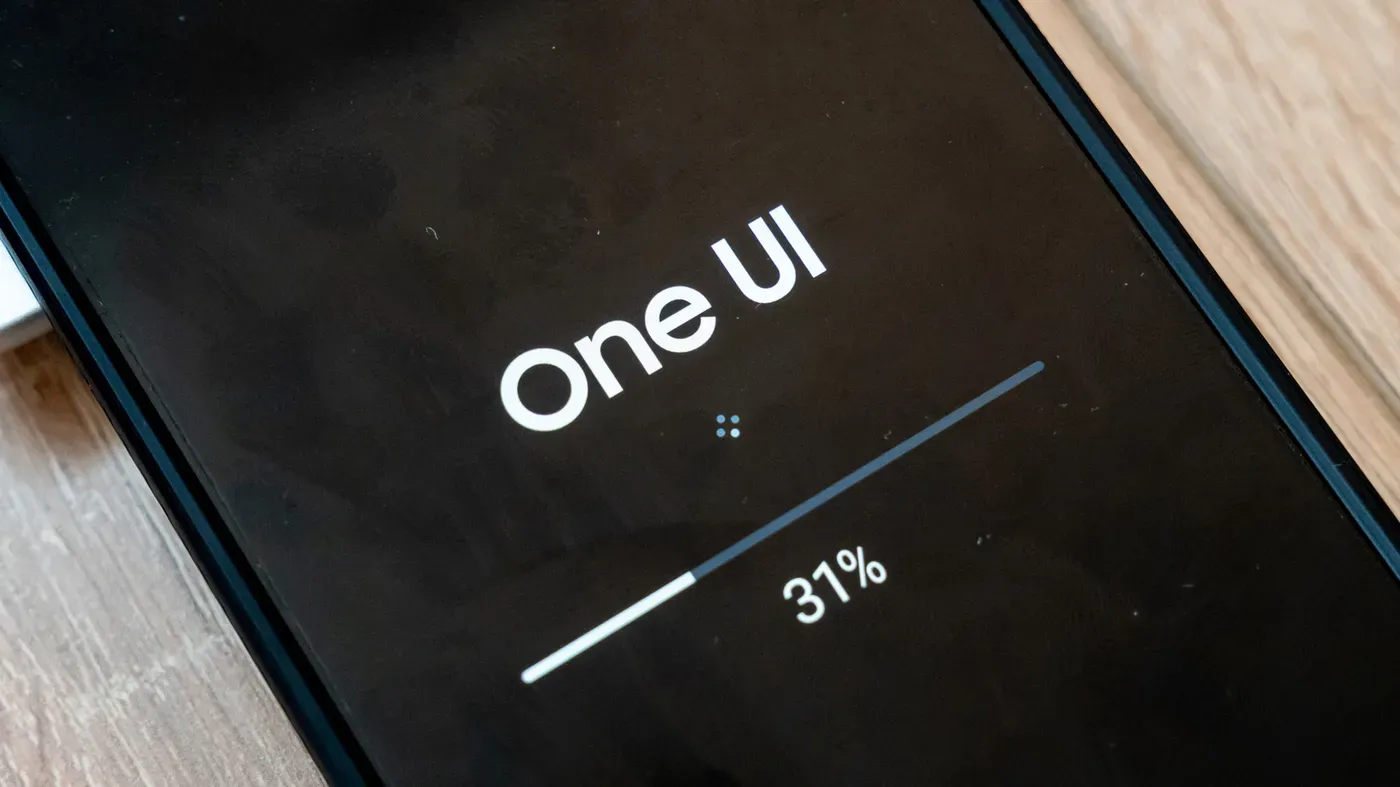
Samsung has confirmed that its 2023 flagship phones will not receive any further major updates beyond One UI 9.
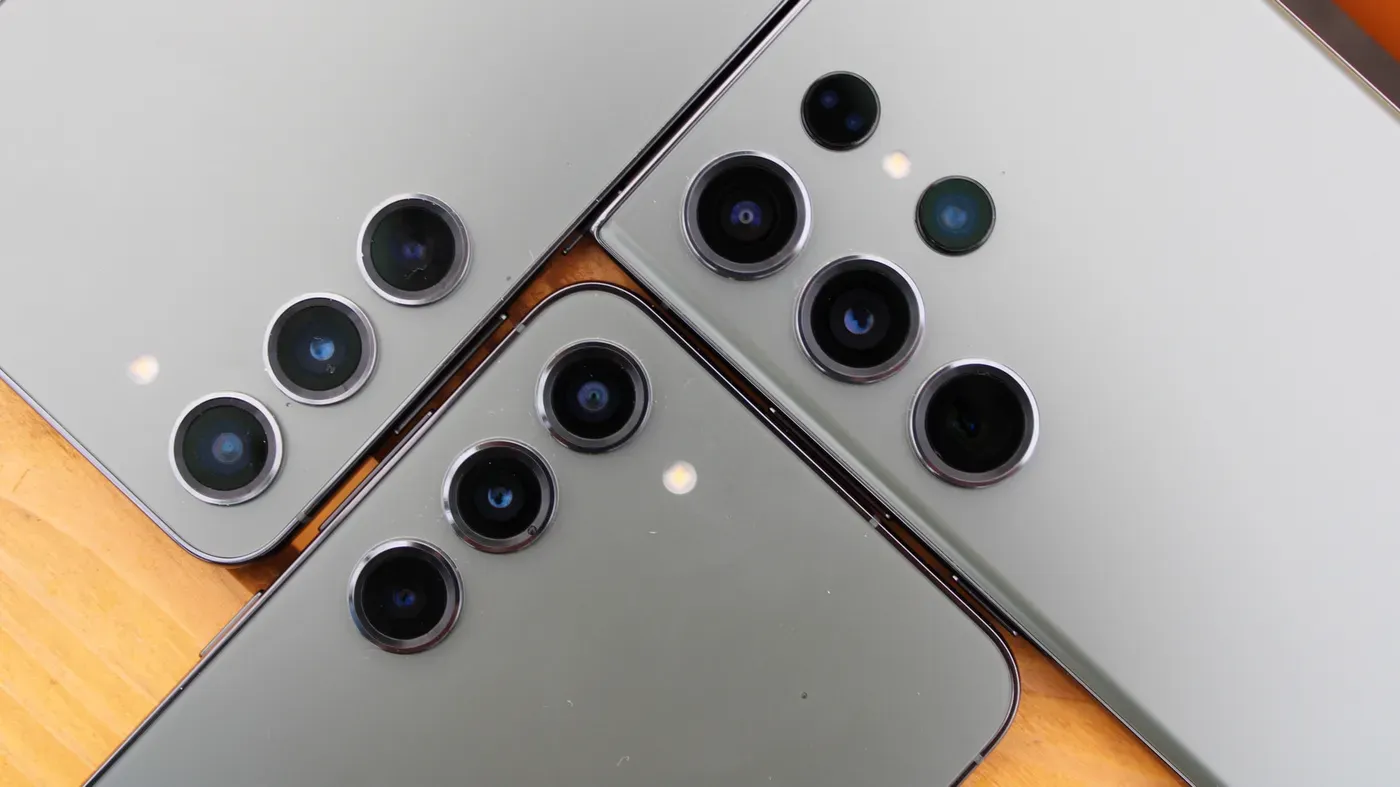
Samsung has confirmed that its 2023 flagship phones will not receive any further major updates beyond One UI 9, which is based on Android 17. This update has already started rolling out in South Korea and Europe for the Galaxy S23 series, with the US following suit a few days later.
The news may come as a disappointment to owners of these devices, who had initially been promised up to four generations of One UI and Android upgrades by Samsung. However, it's worth noting that security patches will continue to be provided for several years after the final major update.
According to reports from SamMobile, a Samsung support representative confirmed in August that One UI 9 would be the last major OS upgrade for these devices. The Galaxy Z Fold 5 and Z Flip 5 are also affected by this decision, with One UI 9 now available in the US.
Despite this news, users can breathe a sigh of relief knowing that their phones will not suddenly stop working. Instead, they can expect to receive security patches for several years after the final major update.
Samsung's decision to limit these devices to only four generations of Android upgrades may have been influenced by the fact that its 2023 flagship phones launched on Android 13, rather than an earlier version of the operating system.
The Galaxy S23 FE, Z Fold 5, Z Flip 5, A54, A34 and M54 are also among the devices affected by this decision, with Samsung's Galaxy Tab S9 series also receiving its final major Android upgrade.
It remains to be seen how this news will affect sales of new Samsung phones in the future.
The latest update from Samsung has left many wondering about the future of their older Galaxy phones. The company has yet to announce a release date for One UI 9 on the FE model, and it's also been absent from the initial S23 wave.
According to reports, Samsung rolled out One UI 8 for the Galaxy S22 last year, but interestingly, it halted the phone's One UI 8.5 update despite both versions being built on Android 16. This move suggests that the company may be limiting software updates for certain devices.
One of the key features missing from older models is AI-powered tools, which are set to debut with One UI 9.5 on the Galaxy S27, according to PhoneArena. There's precedent in the way Samsung handled the S22 update, where it didn't extend upgrades to phones that had already reached their limit.
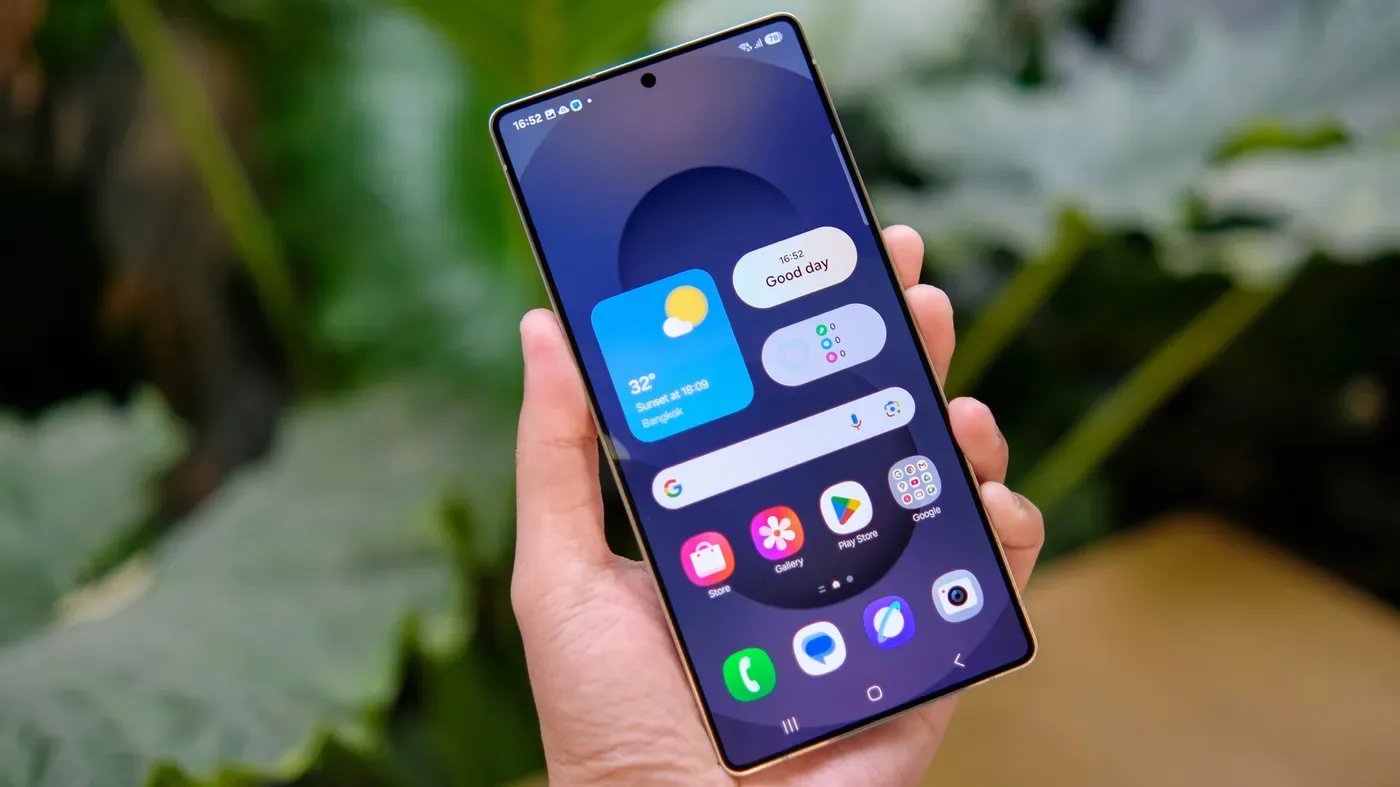
The new S23 update brings several improvements, including a more customizable Quick Panel and enhanced accessibility features. However, some of these features are only available on newer models, leaving older devices with limited access to advanced tools.
Samsung has listed the S23 and S23 FE among the phones supporting One UI 9's AI-powered Privacy Alerts, but other Galaxy AI features are not compatible with these devices. The company's Korean changelog for the S23 Ultra also mentions a specific feature called scrollback for live Interpreter conversations.
Despite the limitations of older models, owners can still choose to install third-party launchers as an alternative to One UI itself, which cannot be removed once installed. However, this solution only replaces the home screen and app drawer, leaving other features unchanged.
The support period for several older Samsung Galaxy phones is coming to an end, as indicated by a security update schedule provided by the company. According to this plan, devices like the S23 series and others will cease receiving security patches after 2028, marking the completion of their five-year support cycle.
This timeline applies to devices such as the Z Fold 5, Z Flip 5, A54, A34, and M54, all of which were launched in 2022 under Samsung's promise of five years of monthly updates. While some carrier-locked models may receive patches less frequently, even when Samsung pushes out monthly security fixes.
For those who rely on their phones for banking apps or work email, the patch deadlines are particularly crucial, as they can be vulnerable to security-related issues rather than lacking features. It's essential to note that these deadlines will become increasingly important in the coming months.
In contrast, newer Galaxy models like the S24 and later versions have a longer support period, with Samsung promising seven generations of OS upgrades and seven years of security updates. However, this policy change does not apply retroactively to existing devices on the market.
The release of One UI 9 for the Galaxy S26 in September has brought some relief to owners of these phones, as it will be supported until 2033. This update is a significant improvement over previous versions and provides users with a more modern interface.
As the support period for older Samsung Galaxy phones comes to an end, users should prepare for their devices to become increasingly vulnerable to security threats.
Facts based on reporting originally published by Engadget.
You may republish this story, in full or in part, if you credit News Central Site and link to it (licence CC BY 4.0). Photos are not included.