United Nations Peacekeepers Criticized for Failure to Protect Civilians in South Sudan Massacre
Amnesty International has criticized both the UN peacekeeping mission in South Sudan (UNMISS) and the South Sudanese government for their failure to take effective preventive measures despite having sufficient information about an impending attack.
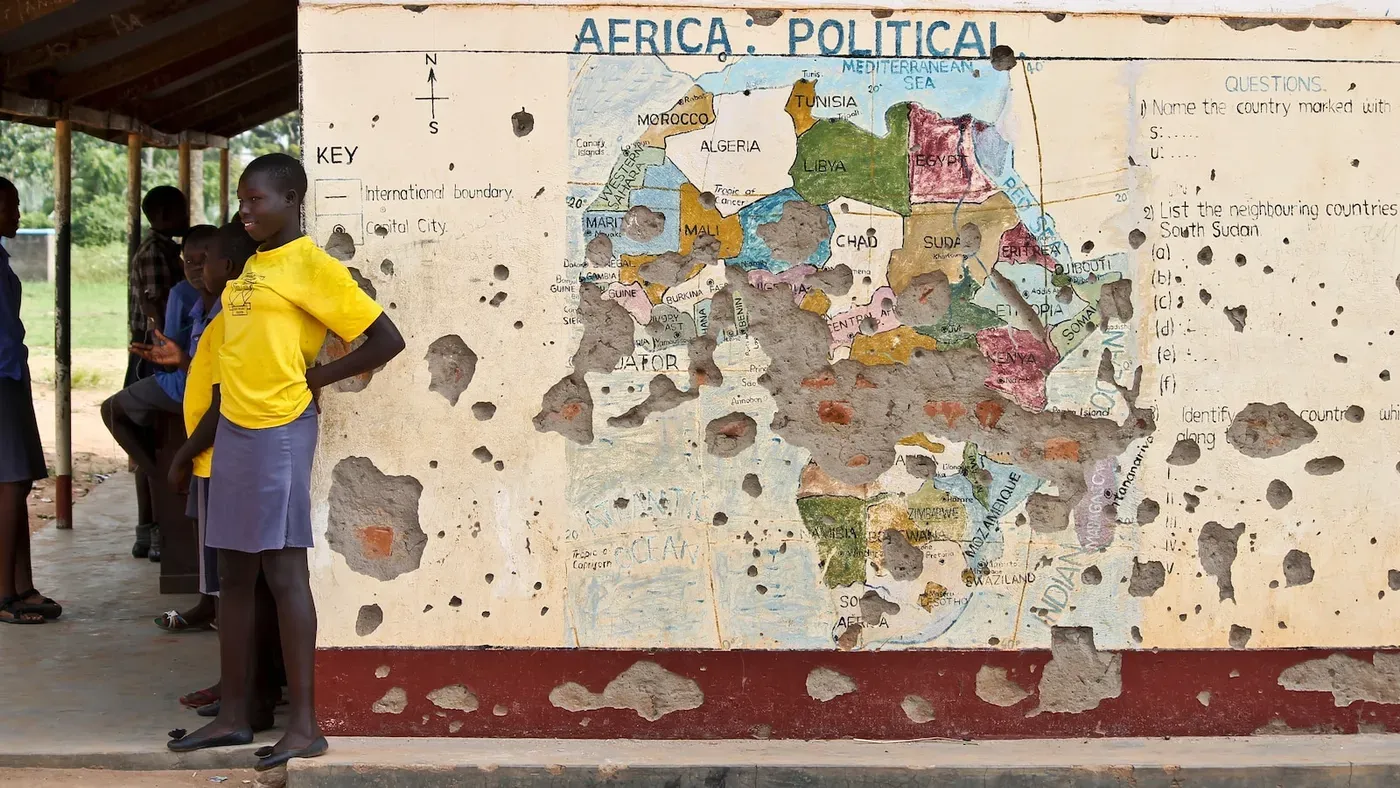
Reports from Amnesty International suggest that United Nations peacekeepers failed to adequately protect civilians before a massacre in South Sudan earlier this year.
According to investigators, UNMISS peacekeeping mission had weeks-long warnings about an impending attack on Abiemnom village near the border with Sudan but did not take sufficient action to reinforce their forces stationed there. The warnings were apparently ignored until after the attack occurred.
The violent raid was carried out by approximately 1,000-1,500 armed men from Mayom County who stormed into the village on March 1, shooting residents, burning homes and looting part of the local hospital.
This heinous crime resulted in a staggering death toll of at least 213 people, including 130 town residents, 76 security personnel and seven foreign nationals.
Amnesty International has criticized both the South Sudanese government and UNMISS for their failure to take more effective preventive measures despite having sufficient information about the impending attack.
The UN peacekeeping mission in South Sudan has been criticized for its response to the March attack on Abiemnom, where hundreds of civilians lost their lives. The mission's limited resources and personnel meant that it focused on protecting those seeking refuge within its base rather than dispersing forces across a wide area.
The assault occurred amidst renewed fighting between government forces and opposition groups, which has undermined the 2018 peace agreement aimed at ending five years of civil war. The region has experienced cycles of retaliatory violence linked to land access and cattle raiding, contributing to an unstable environment.
Investigations suggest that the March attack may have been triggered by unresolved killings of several young men from Mayom County in Abiemnom. This incident highlights the deep-seated tensions between communities in the area, which have not been adequately addressed through peace efforts.
The investigation into the massacre drew on testimonies from 82 individuals, including survivors, witnesses, and medical professionals, as well as satellite imagery and photographic evidence. These accounts provide a harrowing picture of the violence that unfolded during the attack, with residents being shot in their homes or while attempting to flee.
Satellite images show extensive destruction, with more than 230 structures reduced to ashes by fire. In addition, most victims were buried in two mass graves, according to the report.
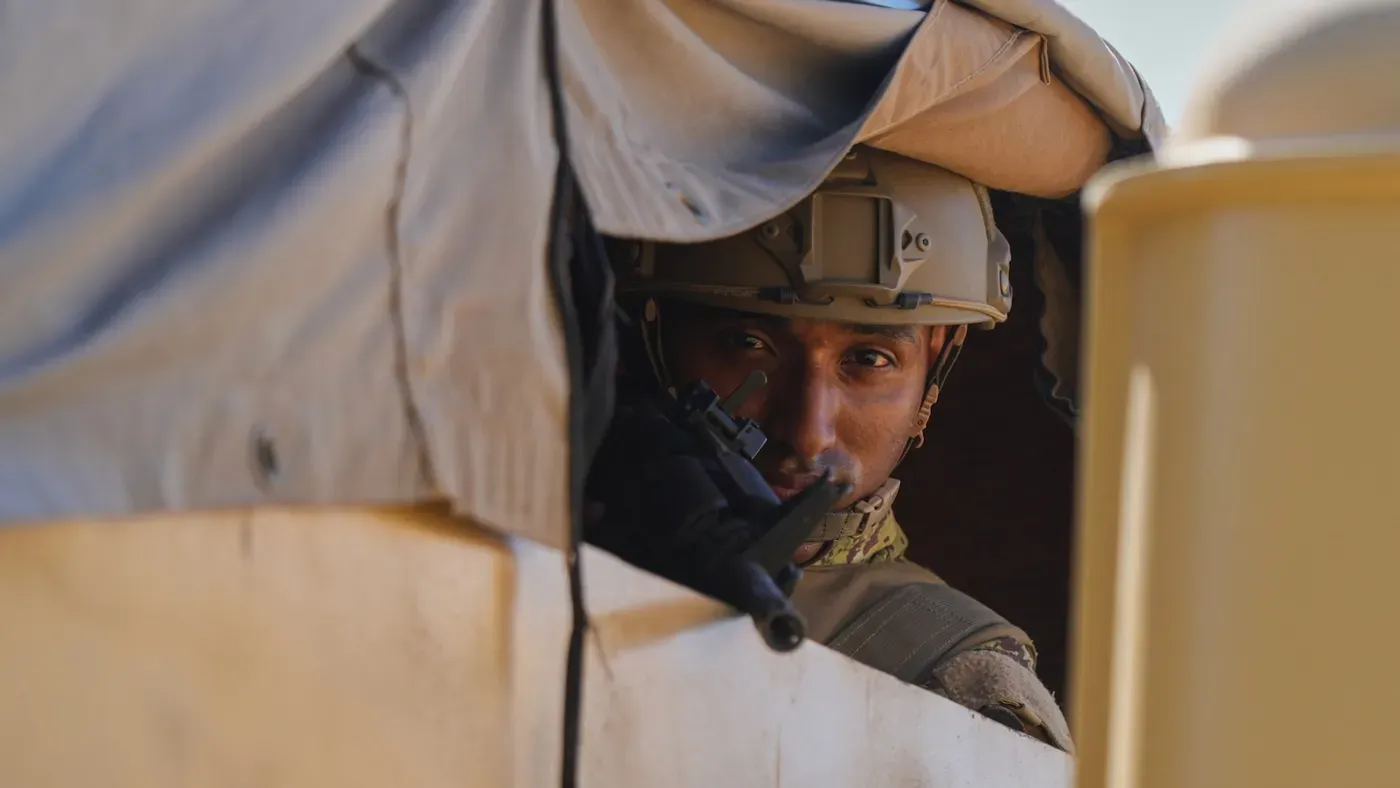
UN peacekeepers were aware of escalating tensions in South Sudan as early as mid-February, prompting people to seek refuge at their base just before the massacre.
Despite receiving warnings of an impending attack, UNMISS repeatedly requested additional security forces from the national army but only deployed 40 extra police personnel after the assault had occurred.
The timing of this reinforcement has been questioned by Amnesty, which pointed out that a similar deadly incident had taken place in April 2025, raising questions as to why the same response was not implemented earlier.
In light of these findings, Amnesty is calling for an independent investigation into the killings and a separate review of the peacekeepers' actions, with both sets of conclusions made public.
Facts based on reporting originally published by ABC News International.
You may republish this story, in full or in part, if you credit News Central Site and link to it (licence CC BY 4.0). Photos are not included.