Ukrainian President Volodymyr Zelensky Expresses Disappointment at Continued Russian Aggression
Ukrainian President Volodymyr Zelensky has expressed disappointment at Russia's continued aggression in the ongoing conflict, despite diplomatic efforts to resolve the issue.
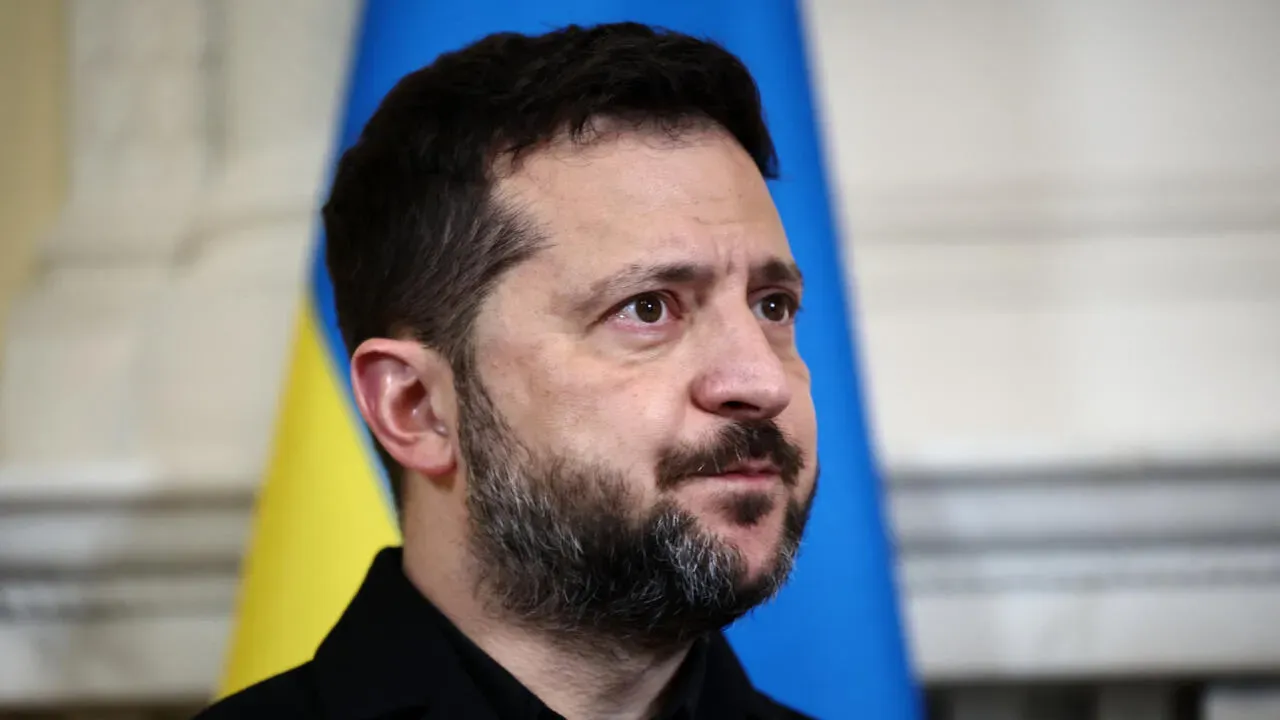
Ukrainian President Volodymyr Zelensky has expressed his disappointment at Russia's continued aggression, stating that there is "no real change" in Moscow's attitude towards the ongoing conflict.
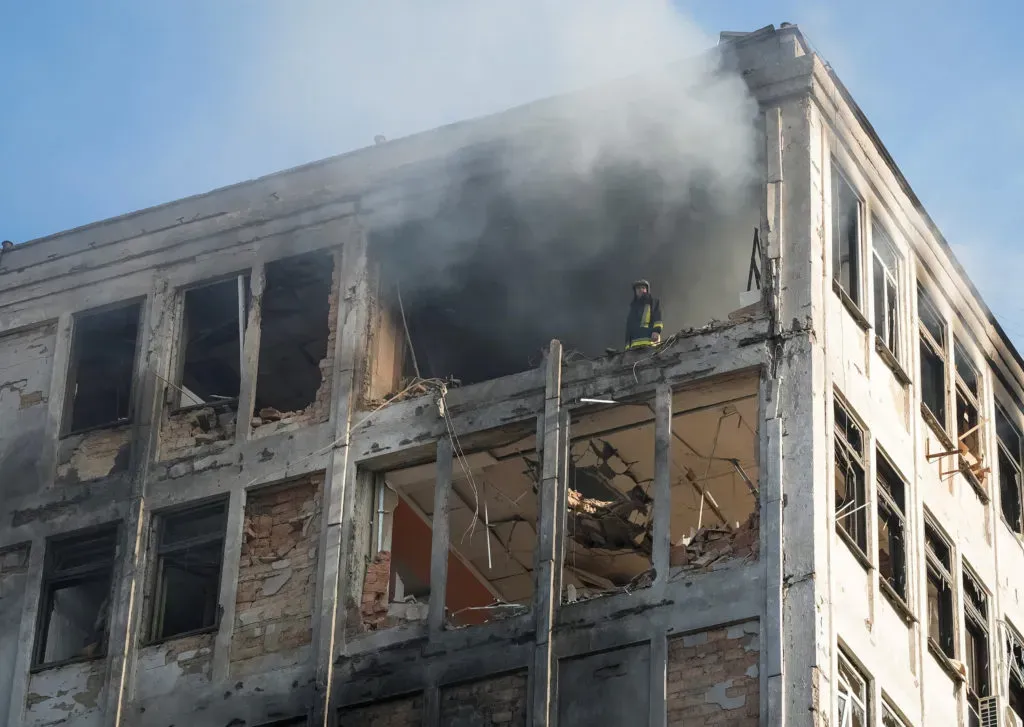
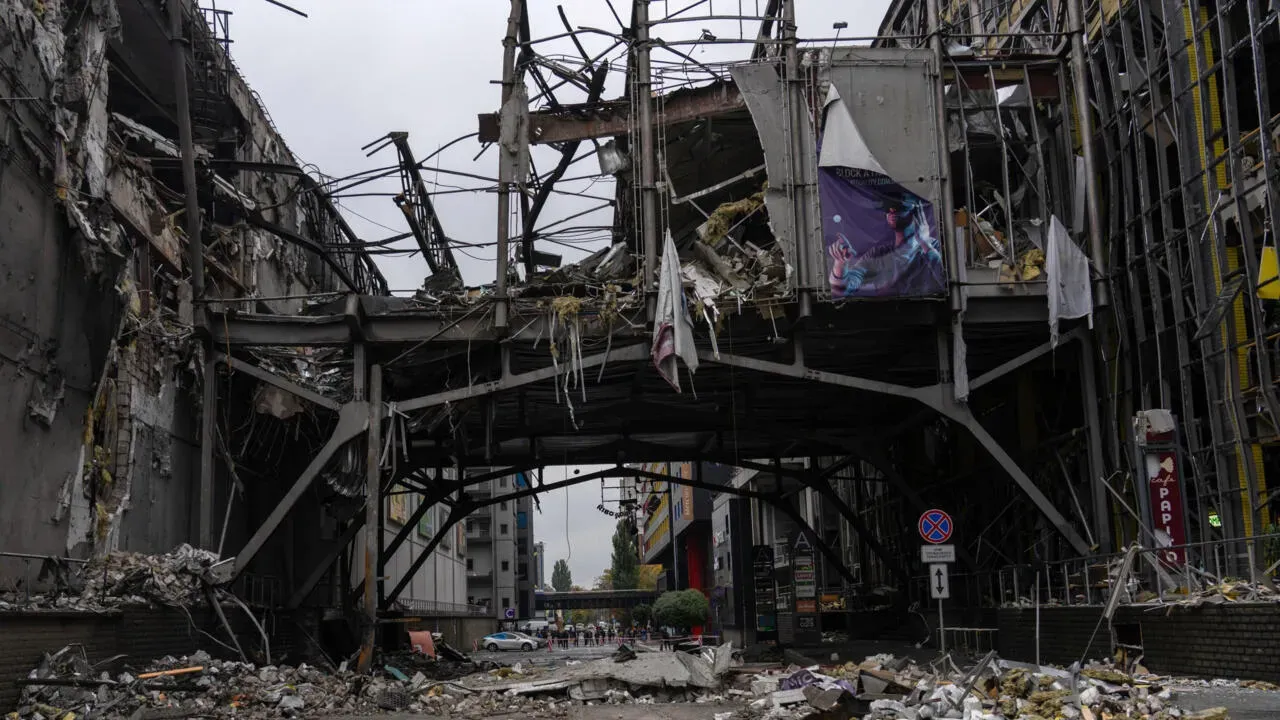
This sentiment comes as a wave of ballistic missiles hit Ukraine overnight, causing widespread destruction and loss of life. The attacks targeted multiple regions across the country, including residential areas, energy infrastructure, shops, cafes, and even a monastery in Kyiv.
Two people lost their lives in the Ukrainian capital, with over 30 others injured due to the relentless bombardment. In addition, an attack on a crowded market in Lozova resulted in the deaths of two women aged 50 and 60, while dozens more were wounded.
Meanwhile, Ukraine's military responded by launching a large-scale drone attack on the Moscow region, wounding two people. The strikes have intensified as winter approaches, causing concern among residents and authorities alike.
The timing of these attacks is particularly striking, coming just hours after US envoy Steve Witkoff met with Russian President Vladimir Putin to discuss the resumption of trilateral talks between Russia, Ukraine, and the United States.
A new wave of attacks has hit eastern Ukraine, targeting civilian areas in Kramatorsk and Sloviansk, where families and children have been ordered to evacuate due to the escalating violence.
The onslaught began shortly after US envoy Steve Witkoff concluded his meeting with Russian President Vladimir Putin in Saint Petersburg, sparking concerns about Moscow's intentions. Ukrainian President Volodymyr Zelensky has accused Russia of showing no willingness to change its stance on the conflict. He pointed out that the attacks suggest a lack of genuine shift in Russia's attitude towards the ongoing crisis.
The timing of these events raises questions about the effectiveness of diplomatic efforts to resolve the conflict. Ukraine has been pressing its allies, including the US, for advanced military equipment, such as Patriot interceptors, to counter Russian missile and drone strikes. However, supplies have been slow to materialize, leaving Ukraine vulnerable to further attacks.
Zelensky warned that more strikes are likely in the coming days, suggesting that Russia is taking advantage of a perceived slowdown in air-defence supplies from its allies. This assessment implies that Moscow's confidence has grown due to easing pressure on sanctions and a lack of urgency from Western partners.
In response to Ukraine's pleas for assistance, NATO has announced that it will allow Kyiv to purchase weapons through the alliance's procurement agency on a case-by-case basis.
The use of cluster munitions by Russian forces in Ukraine's capital city, Kyiv, has been a disturbing trend according to President Volodymyr Zelensky. These weapons disperse multiple smaller explosive devices over a wide area, posing a significant threat to civilians.
Human Rights Watch documented an apparent increase in the use of cluster munitions in August, noting that they can be fired from rockets and missiles or dropped from aircraft. The organization warned that such actions could constitute a war crime.
Russia's invasion of Ukraine in February 2022 was initially intended as a swift takeover of the country. However, it has instead become one of Europe's largest conflicts since World War II. The scale of destruction is staggering, with hundreds of thousands killed and millions displaced from their homes.
The conflict has also taken a toll on international relations, particularly between Kyiv and Washington. President Zelensky met with US officials in Norway recently amid strained ties between the two countries.
The situation in eastern Ukraine remains dire as President Zelensky asserts that Russia's actions demonstrate no change in its stance towards the conflict.
Ukraine has been pushing for resumption of trilateral talks with Russia and other parties involved, but several rounds over the past 18 months have failed to yield any significant progress. The stalemate is largely due to Russia's insistence on Ukraine withdrawing from territory it still controls in the Donetsk region. This would be accompanied by sweeping restrictions on Ukraine's military and political capabilities.
Moscow has refused to budge on its demands, which Ukraine views as an attempt to dictate unacceptable terms that would leave it vulnerable to further aggression. The Ukrainian government considers these conditions tantamount to surrendering sovereignty and abandoning any hope of a peaceful resolution.
Facts based on reporting originally published by France 24 English.
You may republish this story, in full or in part, if you credit News Central Site and link to it (licence CC BY 4.0). Photos are not included.