Rapa Nui's Isolated Landscape and Ancient Moai Statues Remain an Enigma
The island's vast emptiness creates a surreal atmosphere that adds to the mystique surrounding the creation of nearly 1,000 monolithic human figures known as moai.
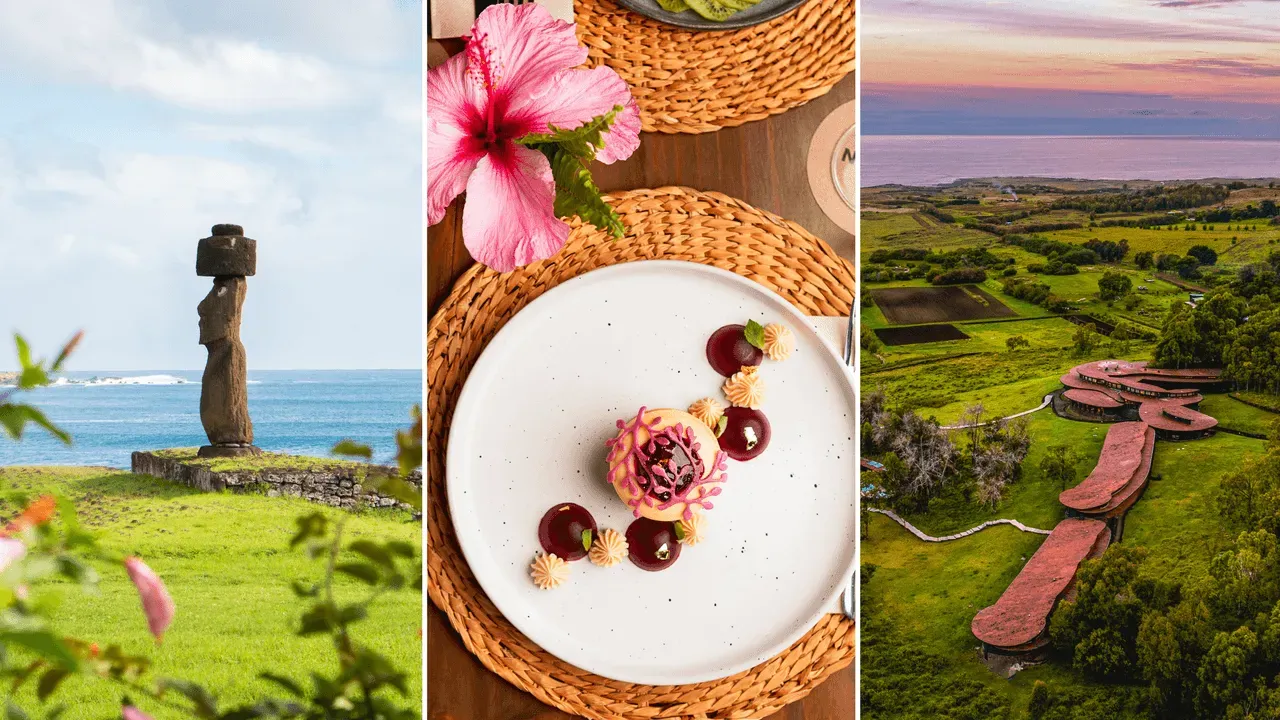
Easter Island, located in the Pacific Ocean, is one of the most isolated inhabited places on Earth. It is separated from its closest neighbor, Pitcairn Island, by a staggering 1,292 miles and from mainland Chile by an even greater distance of 2,200 miles.
The island's vast emptiness creates a surreal atmosphere, with the horizon seemingly curving in sync with the curvature of the Earth itself. This unique setting adds to the mystique surrounding one of archaeology's most enduring enigmas: the creation and subsequent collapse of nearly 1,000 monolithic human figures known as moai.
Theories abound about why these massive statues were carved, transported across the island, and eventually toppled from their pedestals. Despite numerous attempts to unravel this mystery, a definitive answer remains elusive. The moai's presence is an enigmatic addition to Easter Island's already dramatic landscape, which has captivated visitors for centuries.
Today, the Chilean territory of Rapa Nui functions as an open-air archaeological museum, with many of its iconic moai restored to their original upright positions following a seven-decade-long restoration effort. However, this focus on the island's ancient past risks overlooking its living culture and vibrant present.
The town of Hanga Roa, which is the sole settlement on Easter Island, remains an authentic hub of Polynesian culture. Here, locals come alive at night with traditional ukulele music and energetic dances that showcase their rich heritage.
The remote airport of Mataveri International serves as the primary entry point for most visitors to Rapa Nui, situated 5 hours and two time zones away from major hubs.
Travelers typically stay in Hanga Roa, a central hub that allows easy access to nearby archeological sites. These ancient monuments are never more than a half-hour drive apart, making day trips straightforward and convenient.
In 2017, the Chilean Government transferred administration of Rapa Nui National Park to the Ma'u Henua Indigenous Community, a locally run organization elected by members of the Rapa Nui community.
The new management has implemented measures to mitigate overtourism, including increased entrance fees (currently CH$95,000 or about $100 USD) and initiatives promoting longer stays and deeper cultural connections with the local population.
The tranquil ambiance of Te Moai Sunset makes it an ideal spot to unwind during sunset hours, paired with a refreshing pisco sour and breathtaking views over the modern Moai de la Paz statue.
Visitors can also indulge in delicious seafood at other eateries on the island. At Te Moana, the mahi-mahi is cooked to perfection and served atop roasted Rapa Nui sweet potatoes in a tiki-style setting. Meanwhile, La Kaleta offers dockside ceviche lunches where guests can watch local fishermen unloading their catch.
For those seeking a unique dining experience, Kotaro is a hidden gem in Hanga Roa. This small Japanese restaurant boasts an impeccable tasting menu and has a set of quirky rules for diners, including no children or chatting with the chef during meals.
Another off-piste favorite among locals is Neptuno Sunset, situated near the end of the airstrip with stunning sea views. The eatery specializes in bountiful seafood pastas, but don't forget to leave room for a sweet dessert of po'e, a dense sponge cake made from mashed ripe bananas.
The island's landscape, often mistaken for a lush tropical paradise, is actually covered mostly in grassy plains, giving it a unique look reminiscent of Ireland. While there are two fine beaches on the northern coast at Ovahe and Anakena, sunbathing takes a backseat to exploring the mystical moai statues that dot the island's landscape.
The island's rich history is reflected in its numerous archeological sites, with two standing out as major attractions within Rapa Nui National Park: Rano Raraku and Ahu Tongariki.
Rano Raraku is a volcanic crater and quarry site where the ancient Rapa Nui people designed approximately 95% of the island's iconic moai sculptures; around 400 remain in various states of construction on the premises, offering a glimpse into their creation process.
In stark contrast to the quarry site, Ahu Tongariki is the largest ahu (moai platform) on the island, featuring 15 statues that can be seen in silhouette at sunrise. This sprawling complex provides an impressive example of Rapa Nui's engineering skills and artistic expression.
The island is dotted with dozens more ahu sites, many of which have been restored to their former glory, while others remain as they were left by the ancient inhabitants. These scattered sites showcase the widespread presence of moai throughout the island's landscape.
Orongo, situated on the rim of the Rano Kau volcano, serves as another significant historical attraction and was once the ceremonial center for festivals dedicated to Makemake, the creator god.
The rugged terrain of Easter Island offers a unique hiking experience for visitors, with trails leading to the highest point on the island, Terevaka, at an elevation of 1,675 feet. Hikers can also explore the barren Poike Peninsula, which is home to several unexplored archaeological sites featuring petroglyphs and an enormous rock carved in the shape of a human face.
The local culture on Easter Island is thriving, with a population of around 7,750 people who are proud to preserve their Polynesian heritage. While souvenir shops can be found throughout Hanga Roa, they often feature kitschy moai statues and colorful shell necklaces. For those seeking authentic local craftsmanship, the Mana Gallery on the north end of Hanga Roa is a must-visit destination.
Visitors can experience the rich cultural traditions of Easter Island through various performances and events. The music school Toki Rapa Nui, co-founded by classical pianist Mahani Teave, occasionally hosts concerts featuring traditional Polynesian instruments. Guided tours of the school's unique Earthship building are also available, showcasing its sustainable design inspired by an eight-petal flower.
In addition to cultural performances, Easter Island offers a range of dining options that showcase local flavors and traditions. Evening dance shows featuring groups like Kari Kari and Te Ra'ai can be accompanied by a traditional umu feast cooked in an underground earth oven with hot stones. For something more contemporary, visitors can enjoy Polynesian music at Iti Lafken, providing a unique alternative to the usual tourist attractions.
Explora Rapa Nui stands out among its peers for its exceptional culinary offerings and expert guides, making it an ideal choice for travelers seeking a comprehensive Easter Island experience.
Nayara Hangaroa, a Leading Hotels of the World property situated on the outskirts of town, offers guests more flexibility to plan their activities à la carte. This oceanfront resort boasts an inviting pool, three distinct dining concepts, and uniquely styled rooms inspired by the Orongo ceremonial village's oval-shaped homes.
Facts based on reporting originally published by Conde Nast Traveler.
You may republish this story, in full or in part, if you credit News Central Site and link to it (licence CC BY 4.0). Photos are not included.