Power Surges Can Damage Electronics Without Warning Signs
A surge protector may look like just another mundane household item, but it plays a vital role in safeguarding expensive electronics from power surges and spikes.
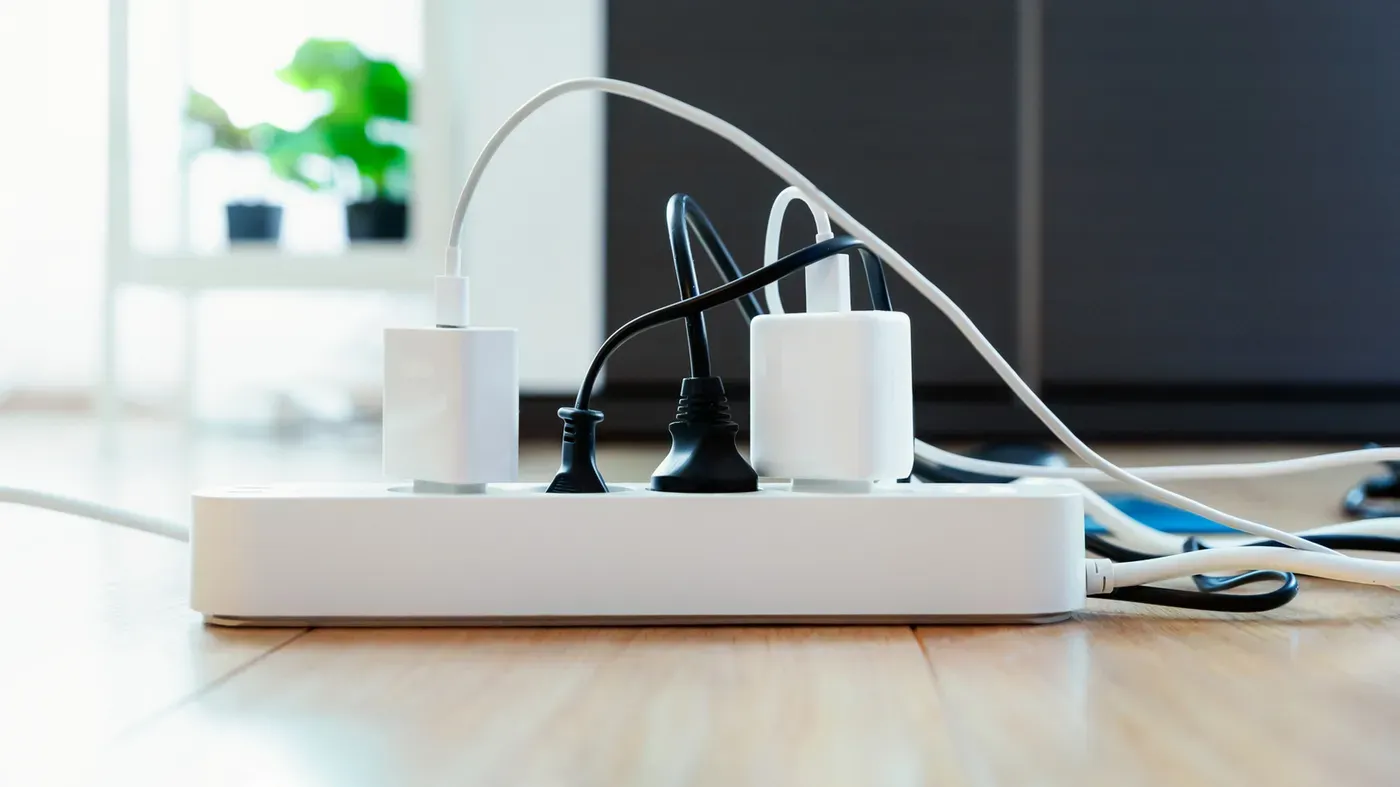
A surge protector may look like just another mundane household item, but it plays a vital role in safeguarding expensive electronics from power surges and spikes. This small, often-overlooked device can protect thousands of dollars' worth of equipment, making it an essential component for anyone with a PC gaming setup or extensive home office gear.
At its core, most basic plug-in surge protectors rely on metal-oxide varistors (MOVs) to absorb excess voltage and redirect it safely away from sensitive electronics. However, these MOVs have a limited lifespan and degrade over time, regardless of whether the device is exposed to any voltage surges or not.
The wear and tear on surge protectors can be subtle, with no obvious signs of damage visible to the naked eye. Even if the device successfully mitigates multiple power surges, it will often continue to function as usual, powering devices without issue. In some cases, a surge protector may even shut off outlets when its internal protection mechanism fails.
While MOVs are the most common type of component used in household surge protectors, other designs employ different technologies such as TVS diodes, silicon avalanche diodes (SADs), or gas discharge tubes. These alternatives have specific use cases and are not typically found in standard plug-in surge protectors.
The lifespan of a surge protector is often longer than its visible signs of wear would suggest. In fact, it's possible for a surge protector to continue functioning despite its internal MOV components no longer working properly. This highlights the importance of regularly replacing surge protectors to ensure continued protection for valuable electronics.
To ensure you're using a surge protector effectively, it's essential to verify whether your device is actually protecting against power surges or just distributing electricity like a standard power strip. Look for an indicator on the surge protector labeled "Protected" or "Protection Present." If present, refer to your device's instructions to understand what this label signifies and why.
If the instructions indicate that the protection light has failed, it's crucial to discard and replace the surge protector immediately. Additionally, if you notice any physical damage to the surge protector, such as scorch marks, melting plastic, or smoke emanating from it, it's time to get a new one.
It's also worth noting that certain devices, like space heaters, should not be plugged into surge protectors as they can cause the strip to overheat or degrade faster than usual. This is especially true for high-power appliances that draw significant amounts of electricity.
The lifespan of a surge protector depends on its design and how many power surges it has encountered. While some manufacturers suggest replacing surge protectors every three to five years, this is not a hard-and-fast rule.
This recommendation serves as a guideline rather than a guarantee, especially for premium surge protectors that are designed to last longer.
Manufacturers provide guidelines on the average lifespan of their products, but it's often difficult to track exactly how many power surges a particular device has handled over time.
When a surge protector's age is unknown or its effectiveness can't be determined, replacing it is the most prudent decision. To ensure uninterrupted protection, record the purchase date of any new surge protector and look for clear indicators that show its current status.
Each surge protector operates differently, with some featuring lights to signal when protection has been compromised, while others trip a simple switch like those found in breaker boxes. Understanding how your specific device functions is crucial, as some indicators may have different meanings depending on the product.
It's essential not to assume that a surge protector can withstand direct lightning strikes; they are designed to protect against power surges, not extreme weather events.
Facts based on reporting originally published by Engadget.
You may republish this story, in full or in part, if you credit News Central Site and link to it (licence CC BY 4.0). Photos are not included.