New Zealand Tourist Destinations Require Cultural Awareness and Preparation
Visiting New Zealand requires understanding its unique culture and customs, including the use of local slang and colloquialisms.
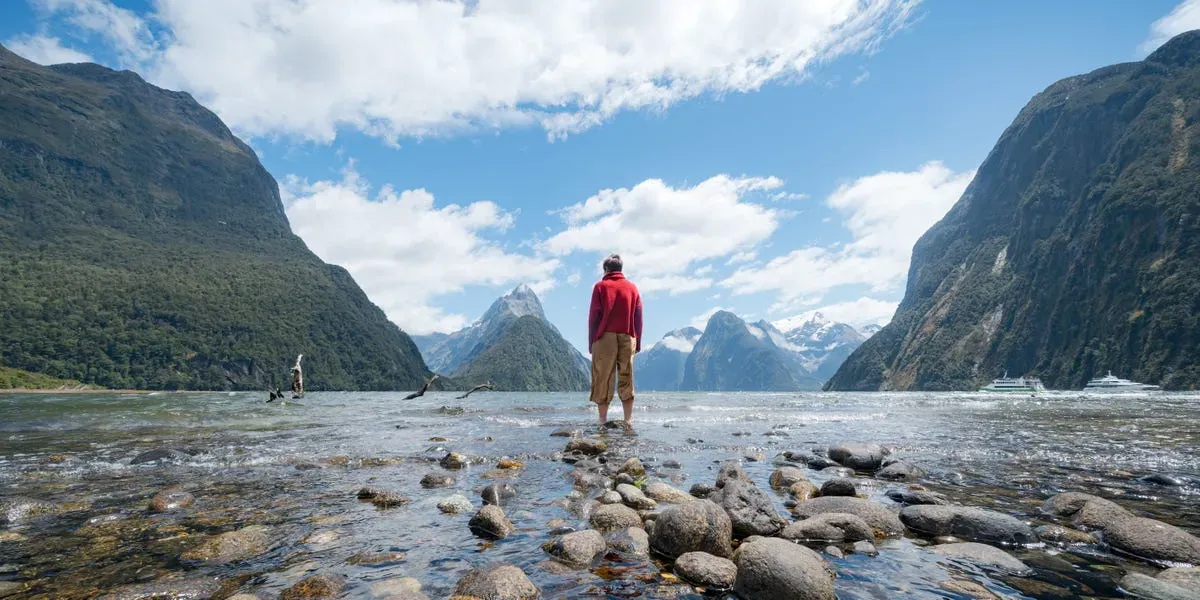
New Zealand has become a popular destination for tourists in recent years, but visiting this country requires some preparation and understanding of its unique culture.
Growing up in New Zealand myself, I've seen firsthand how first-time visitors can get caught off guard by the local customs and way of life.
One thing to note is that English is widely spoken, but it's not always easy to understand due to the prevalence of slang - Kiwis have their own distinct language that may leave tourists scratching their heads.
When a New Zealander invites you to "bring a plate, they're not asking for an empty dish, but rather some food to share with the group.
When interacting with locals, it's essential to understand some key phrases that may seem unusual at first but are actually quite common. For instance, yeah, nah is often used as a polite way of saying no, while sweet as generally means everything is good.
Don't be put off if someone asks you to repeat what they've just said - most Kiwis will happily explain and probably have a laugh about it too. It's not uncommon for people to speak quickly or use colloquialisms that may be unfamiliar to visitors, so don't hesitate to ask them to clarify.
If you're planning to explore New Zealand beyond its major cities, be aware that public transportation is limited outside of urban areas. While larger cities have bus networks and commuter rail services, the reality is that traveling by car is often the most practical way to get around.
Our country's unique geography means that some regions can experience unpredictable weather conditions, particularly in mountainous and coastal areas. It's not uncommon for tourists to underestimate the power of our storms, which can change rapidly and pose a serious threat to those who are caught off guard.
Fortunately, New Zealand is home to many incredible scenic routes, including those offered by our Great Journeys of New Zealand trains. These routes take you through some of the country's most breathtaking landscapes, offering a truly unforgettable experience for visitors.
When venturing into New Zealand's great outdoors, it's essential to be prepared for any weather conditions that may arise during your hike. This means checking the forecast regularly and packing accordingly, including suitable clothing and equipment.
It's also crucial to inform someone about your hiking plans, so they can raise an alarm if you fail to return on schedule.
Some trails are notorious for their unpredictable weather patterns, which can quickly turn a pleasant day into a treacherous one.
A little preparation goes a long way in ensuring a safe and enjoyable experience.
Learning about the Māori culture is an integral part of any visit to New Zealand. The Indigenous people have left an indelible mark on the country's history and identity, with their language, customs, and traditions woven into everyday life.
You'll encounter te reo Māori in various aspects of New Zealand society, from place names to greetings and signage.
Taking a few moments to learn some basic phrases like kia ora (which roughly translates to hello" or "thank you") can be a great way to connect with the locals.
By engaging with Māori-owned tourism businesses and participating in experiences led by Māori, you'll gain a deeper understanding of New Zealand's rich cultural heritage.
Driving in New Zealand requires patience and time management, as roads can wind through scenic landscapes and traffic may be heavy in tourist areas.
Renting a vehicle is a popular option for travelers, but it's essential to check your insurance coverage and understand any restrictions related to driving on unsealed roads before hitting the open road.
The cost of food in New Zealand can add up quickly, especially when dining out, with prices ranging from around NZ$5 to $7 for a fish and chip takeaway, NZ$5 to $9 for a bakery meat pie, and upwards of NZ$30 to $50 for a casual restaurant meal before drinks are added.
Eating at local markets or supermarkets can be a more budget-friendly option, while also allowing you to sample the country's fresh produce and artisanal products; some accommodations even offer kitchen facilities that can help stretch your food budget further.
New Zealand's high UV levels make it essential to apply sunscreen regularly, even on cloudy days, as skin damage can occur quickly in the country's strong sunlight.
New Zealand's unique environment is protected by strict biosecurity rules that visitors must adhere to when entering the country.
These regulations are in place to prevent the introduction of pests and diseases that could harm the country's native species, so it's essential to declare any food or plant products you're bringing with you.
When checking in your luggage, make sure to dispose of any leftover food from your flight, as undeclared items can result in a hefty fine - up to NZ$400 for a single sandwich.
Visitors are also reminded to take their rubbish with them when they leave the country, helping to keep New Zealand's natural environment clean and pristine.
The North Island often gets overlooked by tourists flocking to the South Island, but it has its own unique charm and attractions.
Auckland and Wellington are hubs of creative expression, boasting unique arts and cultural scenes that reflect the country's diverse heritage.
While Kiwis are known for their laid-back demeanor, it's essential to remember that this doesn't translate to a lack of preparation or planning when visiting New Zealand.
In fact, many rural towns have limited dining options after 6 PM, so it's crucial to research and book ahead to avoid being left without a meal.
Facts based on reporting originally published by Business Insider.
You may republish this story, in full or in part, if you credit News Central Site and link to it (licence CC BY 4.0). Photos are not included.