New Phone Battery Life Remains Steady Despite Advances
Our testing of 2026 models showed that they averaged about the same battery life as those from 2025 and 2024.
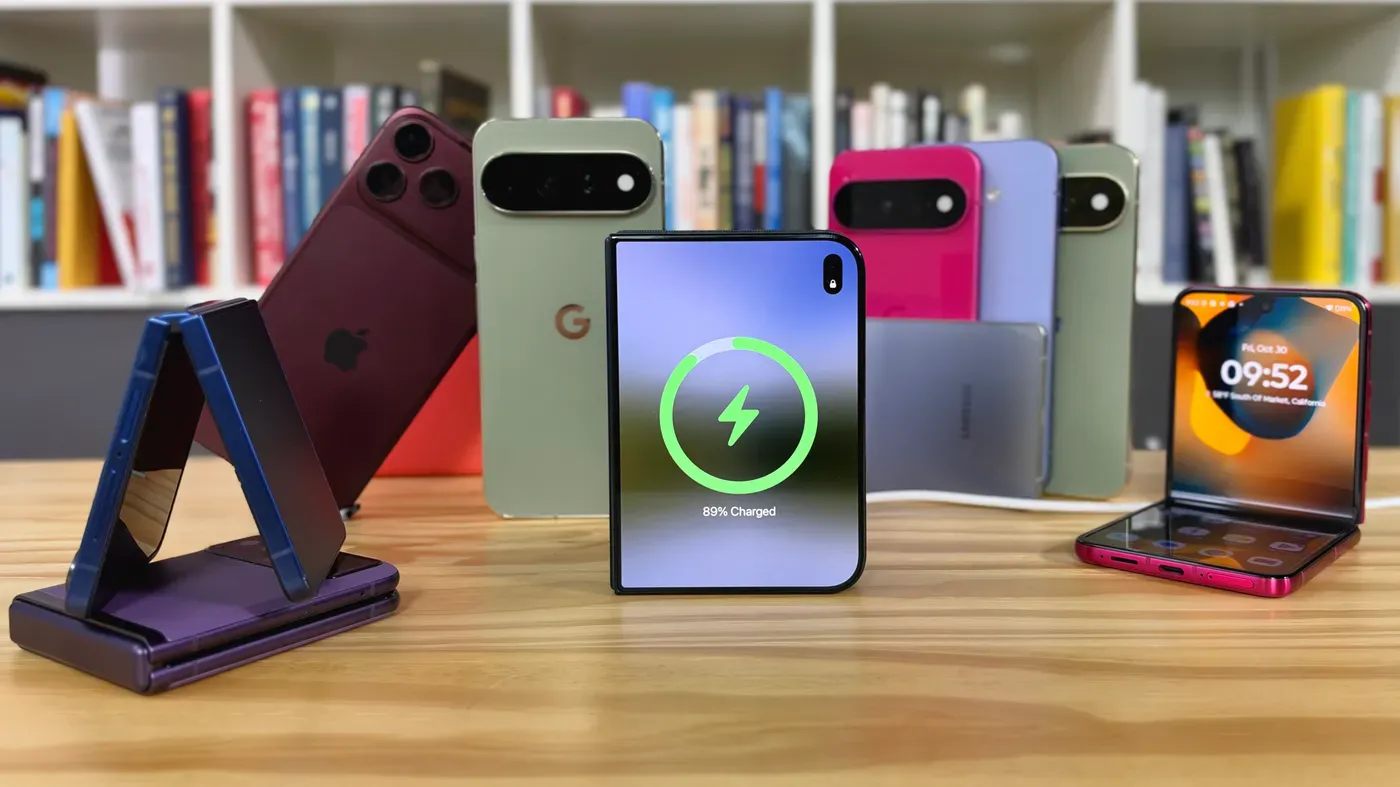
The results of our latest battery life test have revealed a surprising trend: even the newest phones may not offer significantly longer battery life than their predecessors.
Our testing of 2026 models showed that they averaged about the same battery life as those from 2025 and 2024, with some notable exceptions. Apple's iPhone 18 Pro and 18 Pro Max stood out as top performers in our tests, while foldable phones like the Motorola Razr (2026) and Samsung Galaxy Z Fold 8 also impressed.
These devices feature silicon-carbon batteries that offer increased capacity without requiring larger physical batteries. This technology is a key factor in their improved performance. It's worth noting that even among the newest releases, some models still lag behind in terms of battery life.
The latest iPhone Duo tied for top spot in one of our tests, indicating that Apple's efforts to improve battery life are paying off. However, it's not just the high-end devices that are delivering impressive results, late-2025 models like the iPhone 17 and OnePlus 15 also offer good value for those looking to extend their time between charges.
Factors such as phone age and usage patterns can significantly impact battery life. A two- or three-year-old phone may experience reduced capacity, while frequent users will naturally drain their batteries more quickly.
The relationship between a smartphone's battery capacity and its actual battery life is more complex than it seems. While manufacturers often tout larger batteries as a key feature of new devices, these bigger batteries are frequently offset by power-hungry features such as brighter screens, faster processors, and AI tools.
Our testing of 28 phones in 2026 has consistently shown that a higher capacity battery doesn't necessarily translate to longer battery life throughout the day. This is borne out by our results, which include data from four handsets that didn't receive updates this year.
To determine which phone had the longest-lasting battery, we put each device through two rigorous tests: a 3-hour streaming video test and a 45-minute anecdotal stress test. Both tests were conducted with the battery at full capacity, and the results show the remaining battery percentage after each test.
The sheer number of phones tested is staggering - 32 devices, each subjected to our testing regimen for an impressive total of 120 hours over the past year. This extensive testing has allowed us to compare the battery life of a wide range of handsets, providing valuable insights into what makes some phones last longer than others.
The iPhone 18 Pro Max emerged as the clear winner in our testing, thanks to its larger battery and iOS 27 optimizations, which work in tandem with Apple's efficient A20 Pro chip to deliver impressive battery life.
Most smartphones sold in 2026 faced a price hike due to increased tariffs and higher component costs driven by demand from AI data centers. However, consumers can still find affordable options that deliver great battery life without breaking the bank.
Two budget-friendly handsets from Motorola have emerged as top contenders in our testing - the $500 Moto G Stylus (2026) and the $600 Edge (2026). Despite lacking silicon-carbon batteries found in some of their Razr line, these phones surprisingly rank high in terms of battery life. It seems that their screens and processors are more power-efficient than those on pricier flagship models.
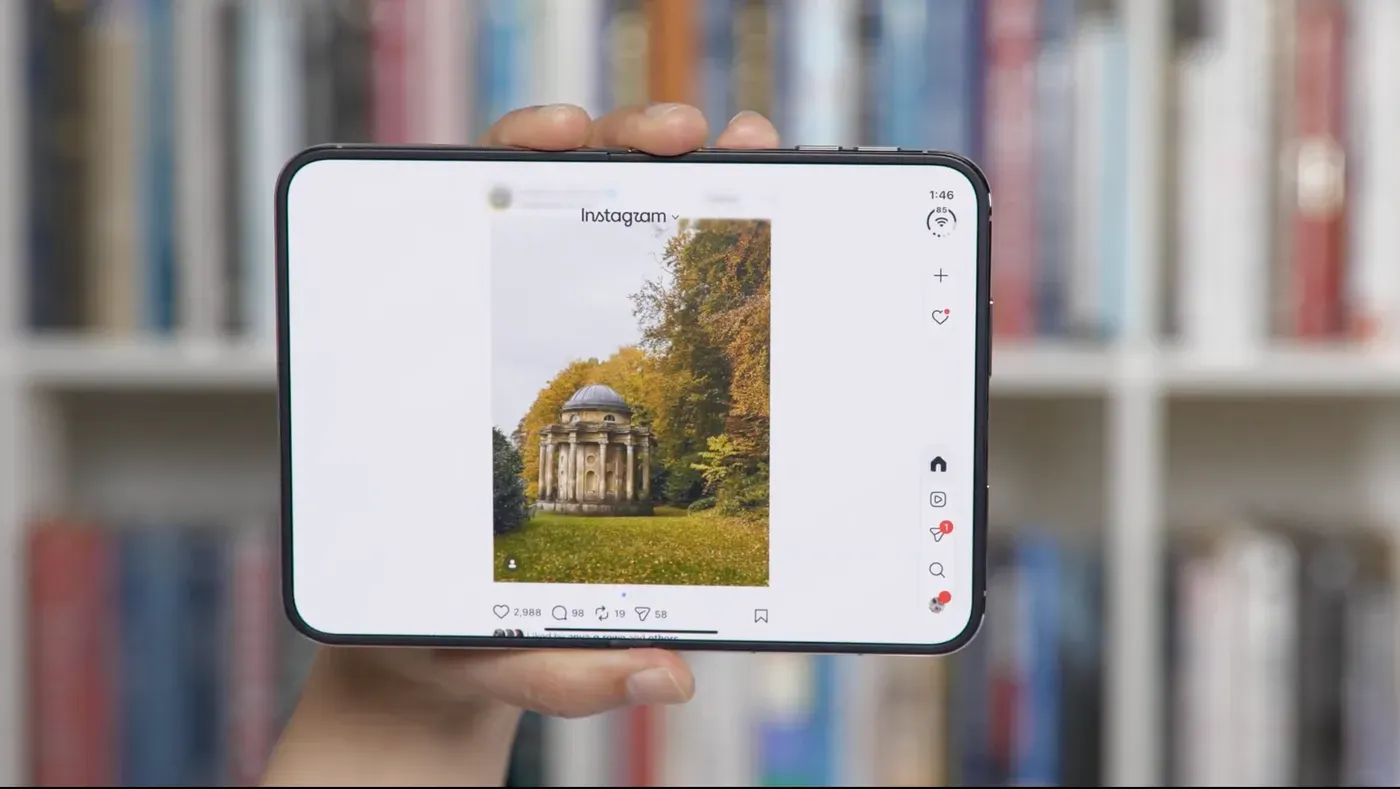
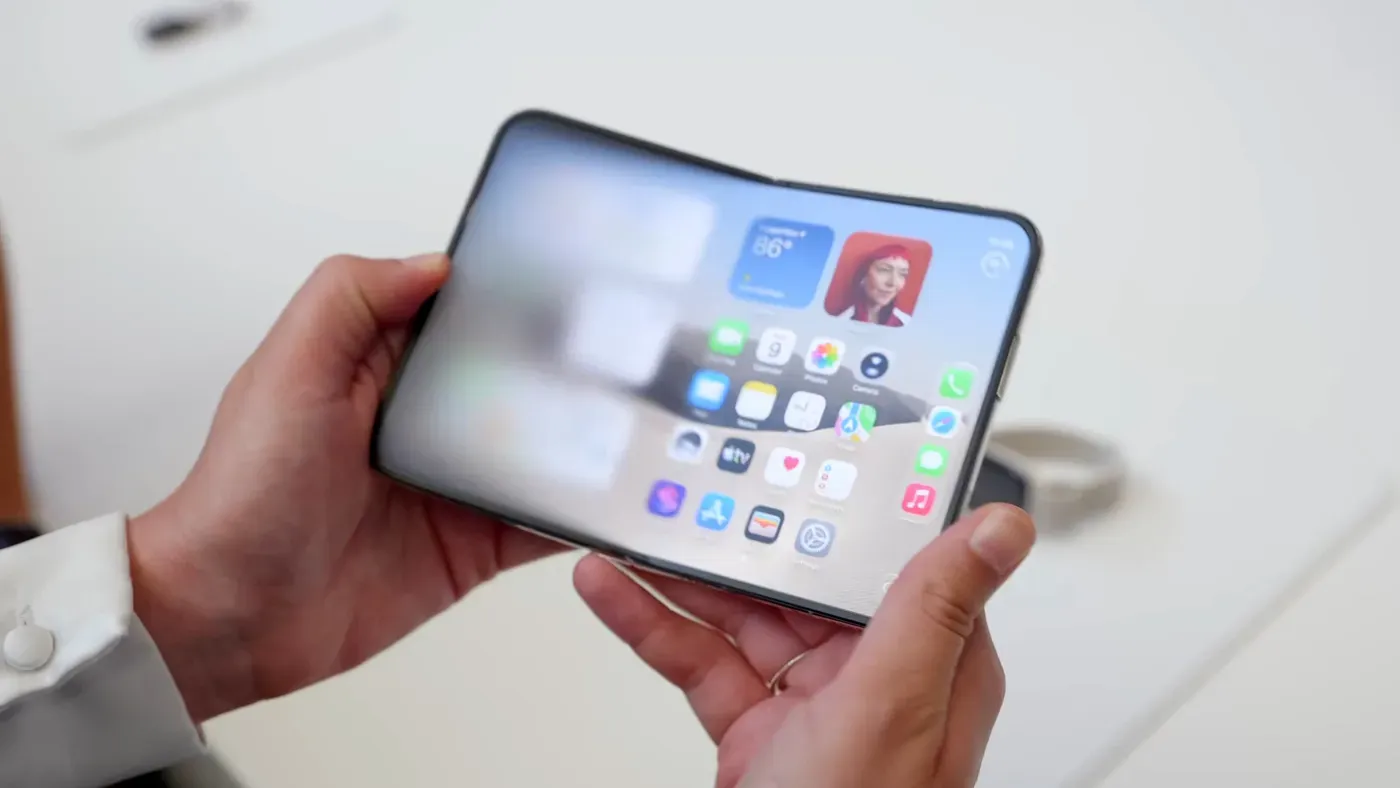
For those seeking an affordable iOS option, Apple's lowest-priced phone is the $699 iPhone 17E. While it lasted a long time in our tests, its performance was on par with some high-end phones like the Motorola Razr Ultra (2026) and the Apple iPhone Duo, both of which are foldable devices priced at over $1,000.
The testing process involved evaluating various handsets from well-known brands such as Samsung, Google, and Apple, alongside lesser-known models including Xiaomi's Leica Leitzphone, a photography-centric device that impressed with its camera capabilities. Another notable mention is the Trump Mobile T1 Phone, a rebranded 2024 HTC U24 Pro nicknamed the "Trump Phone" that struggled to rank high in our testing.
The range of devices tested spanned multiple price points and features, allowing us to identify which phones deliver exceptional battery life without sacrificing performance or quality.
The test involved simulating real-world usage scenarios to assess each phone's battery performance. Two tests were conducted: a 45-minute stress test and a 3-hour video streaming test. The stress test included activities such as video streaming, making video calls, playing games, and scrolling through social media.
In the stress test, the iPhone 18 Pro Max and iPhone Duo emerged as top performers, losing only 1% of their battery life during the 45-minute period. Google's Pixel 11 Pro XL also impressed by tying for third place with a loss of just 3%. In contrast, the 2025 Pixel 10 Pro XL dropped by 7%.
The 3-hour video streaming test saw the smaller iPhone 18 Pro take the top spot, losing only 6% of its battery life. The iPhone 17 and Motorola Razr (2026) flip phones both demonstrated impressive performance in this test.
In addition to individual model results, we also analyzed how different brands performed overall by averaging their scores. This revealed that Apple's models consistently delivered strong battery life across the board.
Only a few manufacturers had multiple models tested, so we were able to average the results for these companies. The data suggests that phones from Apple tend to have better battery life on average compared to other brands.
The results of our extensive testing have shown that Apple's iPhones continue to outperform other brands in terms of battery life for the second year running. This trend is particularly evident when compared to other high-end smartphones on the market.
OnePlus, a subsidiary of Oppo, has managed to secure the second spot, but it has announced plans to discontinue its US operations after releasing the OnePlus 15 series. As a result, those looking for an affordable phone with excellent battery life may want to consider purchasing either the OnePlus 15 or the budget-friendly OnePlus 15R.
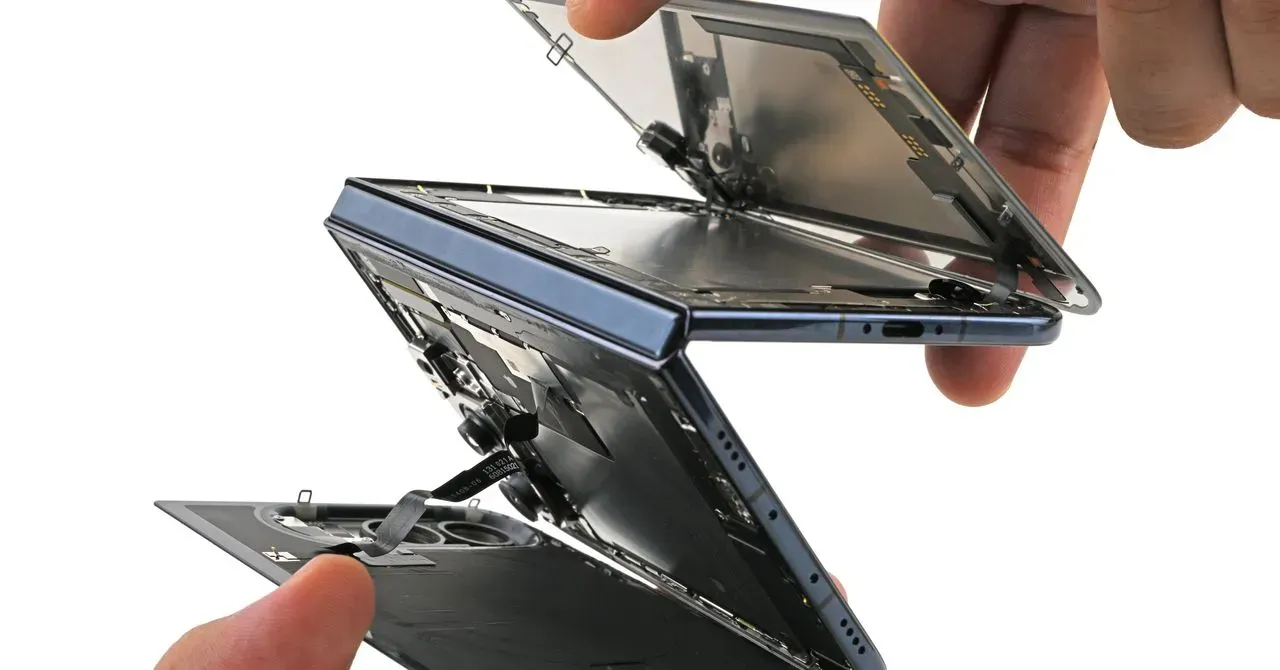
In recent years, several manufacturers, including Motorola and Samsung, have started incorporating silicon-carbon batteries into some of their models, particularly in foldable phones. This technology is expected to become more widespread among smartphone makers as early as 2027.
For those who are satisfied with their current phone but concerned about its battery life, replacing the existing battery may be a viable solution rather than purchasing an entirely new device. Apple's official stores offer battery replacement services for iPhone owners, with prices ranging from $80 to $100 depending on the model and the extent of degradation.
With Black Friday around the corner, consumers can look forward to discounts on portable power solutions. One product that has caught attention is a power bank tailored for the Apple iPhone Duo foldable, offering an affordable way to boost battery life.
This power bank is designed specifically for the unique needs of the iPhone Duo's larger screen and dual charging capabilities, providing a convenient option for users who want to extend their device's battery life without breaking the bank.
Facts based on reporting originally published by CNET.
You may republish this story, in full or in part, if you credit News Central Site and link to it (licence CC BY 4.0). Photos are not included.