New Observations from James Webb Space Telescope Challenge Assumptions about Galaxies and Supermassive Black Holes
Astronomers are questioning the traditional understanding of how galaxies and supermassive black holes form after new observations revealed evidence that challenges the prevailing idea.
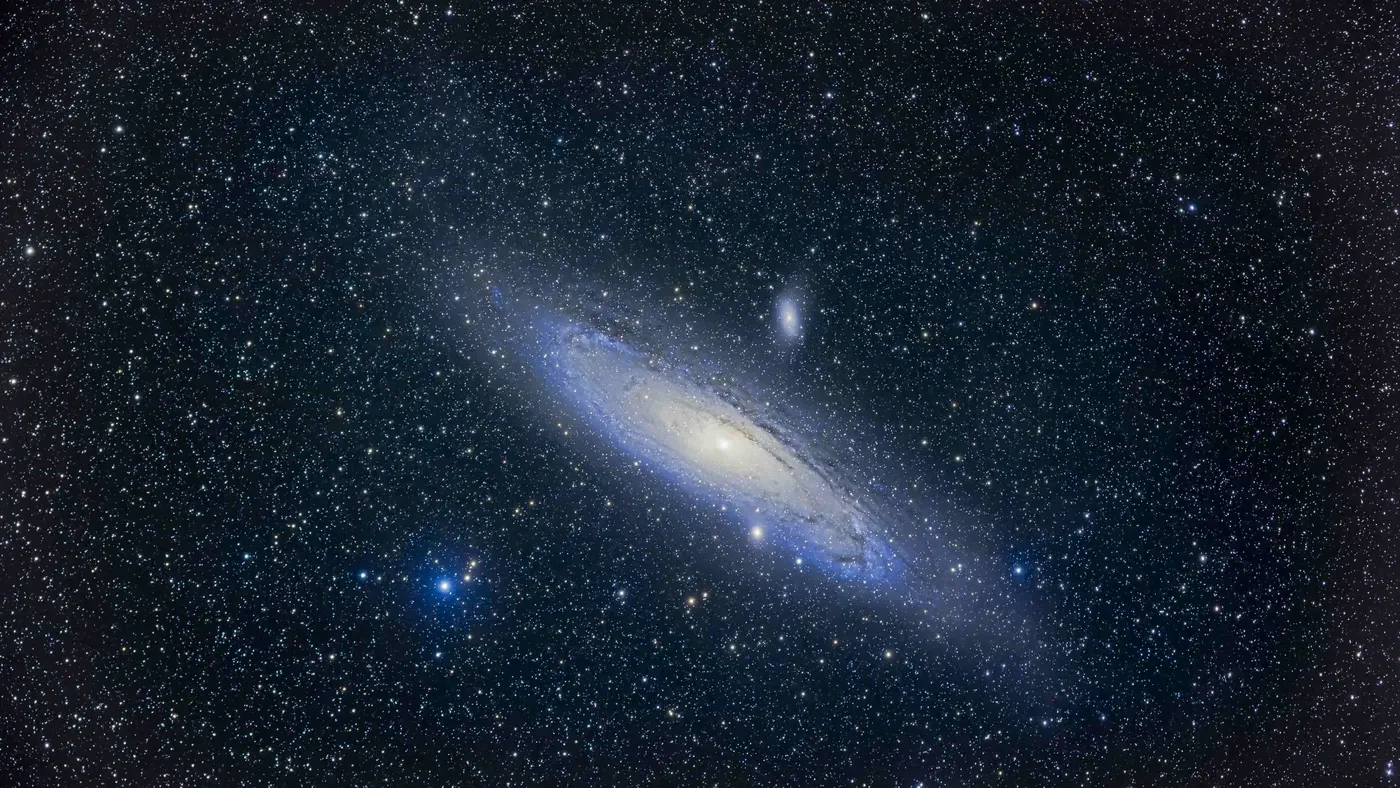
A long-held assumption about the origins of galaxies and supermassive black holes has been turned on its head by new observations from the James Webb Space Telescope (JWST).
The prevailing idea for decades was that galaxies formed first, with massive stars dying and leaving behind black holes that eventually merged to create enormous supermassive black holes. However, this theory is no longer considered a complete picture of the universe's evolution.
According to Joseph Silk, an astrophysicist at Johns Hopkins University, the deaths of massive stars were thought to be responsible for creating the supermassive black holes found at the centers of most galaxies. But recent observations from JWST have revealed new evidence that is challenging this standard model.
Astronomers are now left questioning which came first: the galaxies or their supermassive black hole residents, with some experts suggesting that the traditional understanding may be incomplete or even incorrect.
The existence of supermassive black holes has long been a topic of fascination for astronomers. These behemoths reside at the centers of many galaxies, including our own Milky Way. However, new findings have raised intriguing questions about their origins and relationship with the galaxies they inhabit.
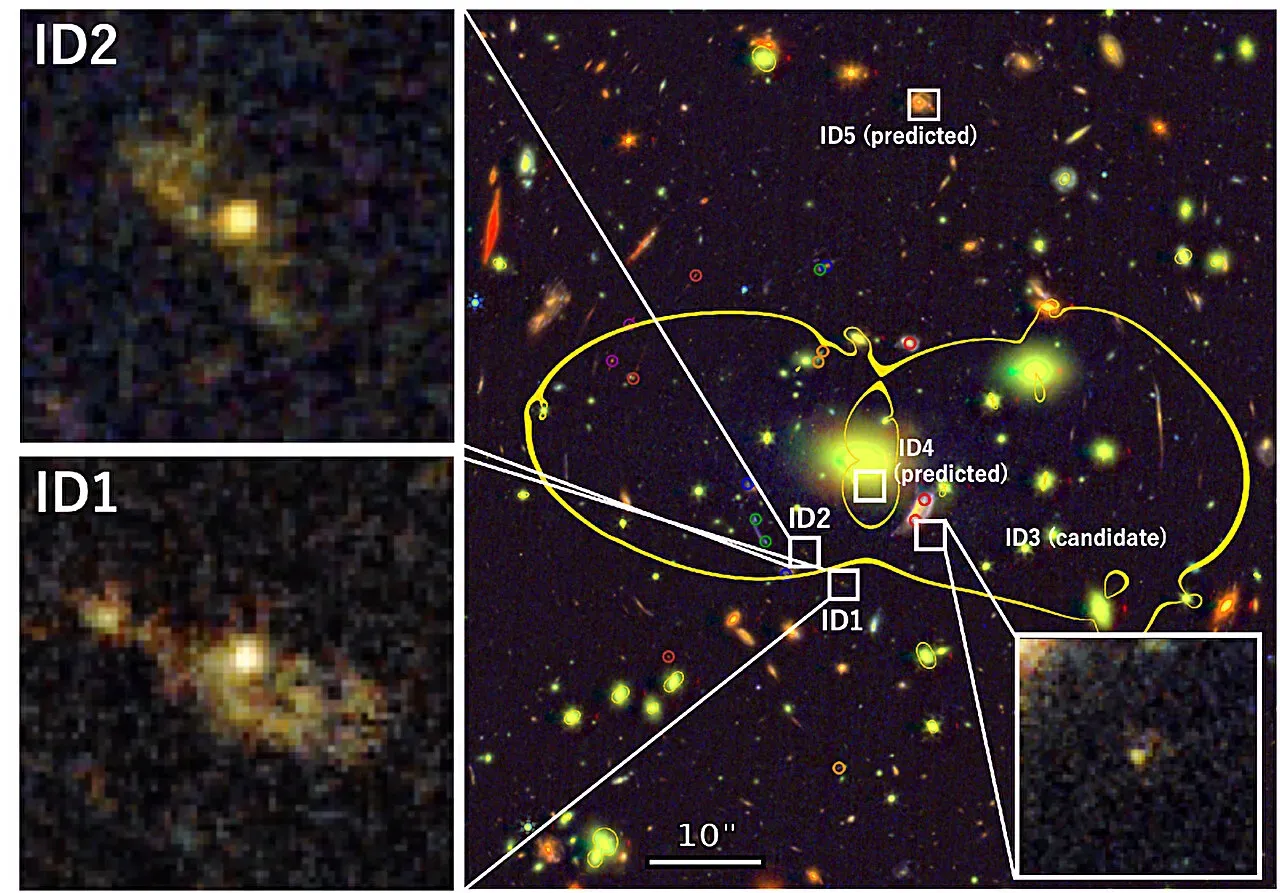
Researchers have discovered that some supermassive black holes appear to be larger than expected, given the size of their host galaxies. For instance, a study published in the journal Nature measured the mass of a black hole in an object called Abell2744-QSO1 and found it to comprise most of its mass. This has led scientists to ponder where such massive black holes could have come from.
Some experts suggest that supermassive black holes may be formed through the direct collapse of enormous gas clouds, which would grant them a head start in their growth. Others propose that these behemoths may be ordinary stellar remnants that grew at an unusually rapid pace. Maiolino outlined several possibilities, and it's possible that more than one explanation is correct.
The dynamics between galaxies and supermassive black holes are complex, with both entities exerting influence on each other through gravitational forces. This cosmic tug of war has significant implications for our understanding of the universe, particularly in terms of how these massive objects interact and evolve over time.
The relationship between black holes and galaxies is a complex one, with each influencing the other throughout their evolution. A growing black hole can have a profound impact on its host galaxy, releasing enormous amounts of energy that either heats or expels gas. This, in turn, can curb or shut down star formation.
However, this process can also compress gas and potentially trigger new stars to form. The balance between these two processes varies depending on the type of galaxy, with some exhibiting "histories of extreme violence" due to their massive black holes. In contrast, galaxies like the Milky Way are more influenced by feedback from their stars.
The debate over which came first - black holes or galaxies - remains unresolved, and it will require far more data from future missions like the James Webb Space Telescope to shed light on this question. Currently, astronomers have only a few dozen samples of objects to work with, which is not enough to determine whether oversized black holes are typical.
The origins of the universe are still shrouded in mystery, and a crucial question remains unanswered: did black holes or galaxies come first? To shed light on this enigma, astronomers have been studying the relationship between the two, but their findings have only led to more questions.
A key indicator of which came first would be whether black holes outweigh their host galaxies. If that's the case, it would suggest that black holes formed before galaxies, a notion that could challenge current understanding of cosmic evolution. On the other hand, if stars dominate over black holes in these distant systems, it would point to a different sequence.
The debate highlights the complexity of the universe and its many mysteries waiting to be unraveled. As one expert noted, "Asking which came first may be too simplistic," and instead, astronomers might need to consider multiple pathways for the formation and evolution of black holes in various environments and cosmic epochs.
Facts based on reporting originally published by Live Science.
You may republish this story, in full or in part, if you credit News Central Site and link to it (licence CC BY 4.0). Photos are not included.