Nationwide public sector strike in France sees lower turnout than previous demonstrations
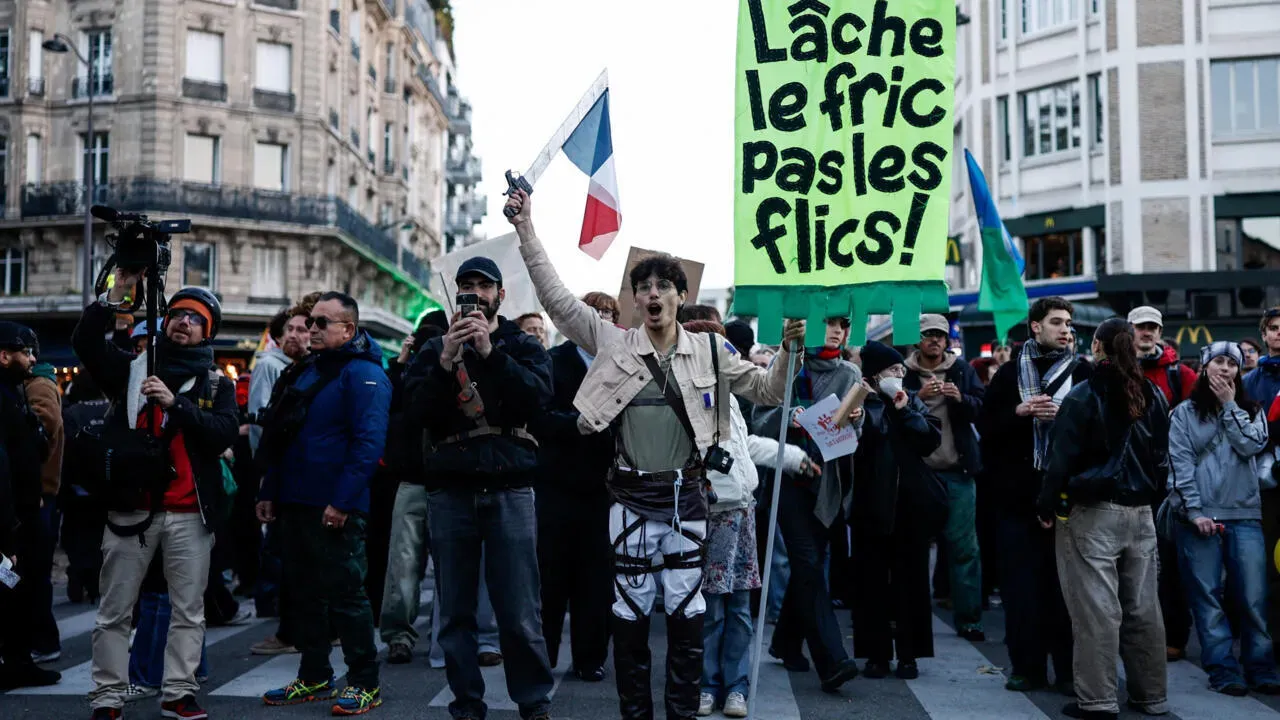
Tens of thousands of people participated in a nationwide public sector strike across France on Tuesday, demanding pay rises amidst rising living costs.
Tens of thousands of people took to the streets across France on Tuesday as part of a nationwide public sector strike, demanding pay rises amidst rising living costs.
The protests saw participation lower than previous demonstrations, with 146,000 people demonstrating across the country, according to official figures from the interior ministry. This is significantly fewer compared to the massive turnout seen during the last unified protest day just over a week ago, when nearly 575,000 people took part.
High school and university students, as well as some private sector workers, joined in the demonstrations, bringing their voices to the government's attention on issues related to cost of living.
The protests were largely peaceful around the country, with 28,000 people taking to the streets in Paris, a city that saw significantly fewer protesters than during previous demonstrations.
As the protests continue to sweep across France, unions estimate that over 500,000 people have participated nationwide in the demonstrations against the rising cost of living. The number includes a significant contingent of protesters in Paris, where an estimated 175,000 took to the streets.
The economic strain on France's public services has become a pressing concern for many workers, who are pushing for pay increases and better working conditions. Nurses like Aurelane Thos have been at the forefront of these demands, highlighting the dire state of hospitals and schools across the country. According to Thos, "the way things are getting worse and worse across all public services" has become a major issue that resonates with many.
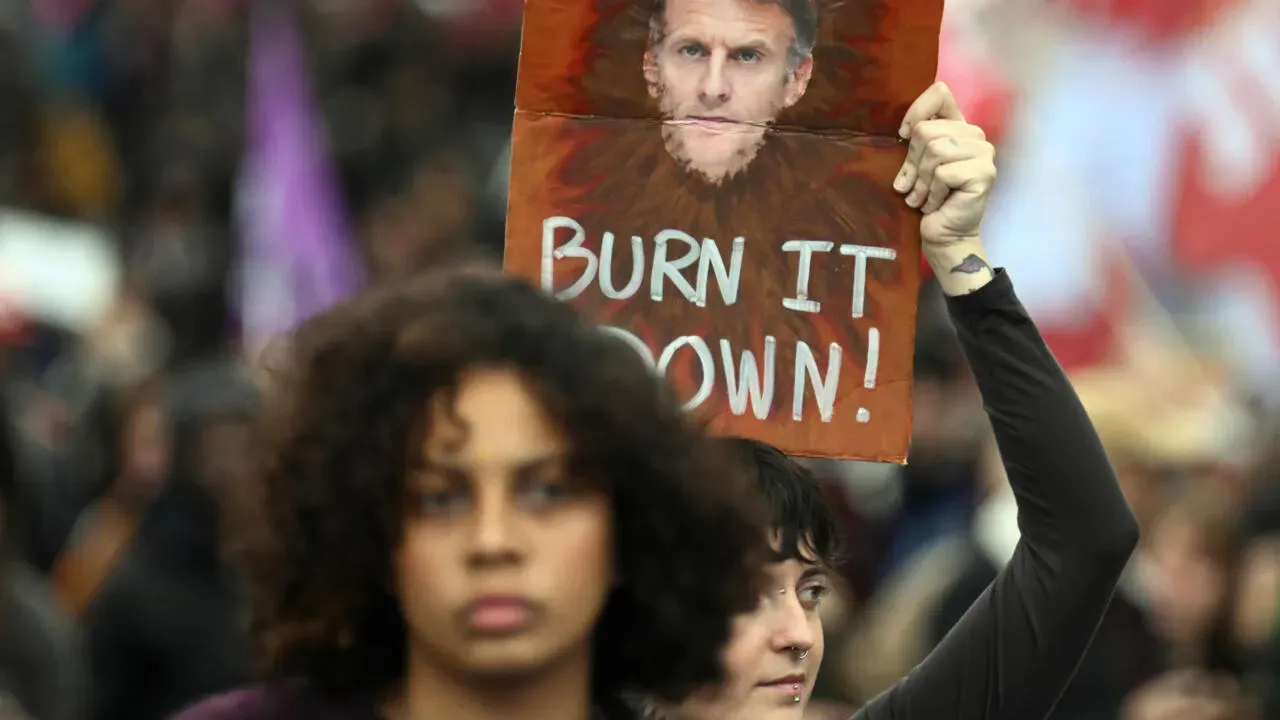
The protests have been marked by clashes in some cities, where police have used tear gas to disperse protesters. Meanwhile, thousands more marched peacefully through the streets of Paris, their demands for improved working conditions and higher pay echoing through the city's streets. Many protesters were seen carrying signs and banners, including a small cardboard sign held by Astrid Petit, which read "Raise salaries.
As the protests enter their third month, tensions remain high between unions and the government. The failure to reach an agreement with Prime Minister Sebastien Lecornu has left many workers feeling frustrated and disillusioned with the current state of affairs.
The sound of drummers in eastern Paris was a stark contrast to the frustration felt by many workers who took to the streets across France on Tuesday. Sparkly pink and purple-clad musicians accompanied their music from union vans as protesters marched through the city's streets. The festive atmosphere belied the sense of disillusionment that has been growing among those involved in the cost-of-living protests.
University professor Nicolas Prevot emphasized that the demonstrations are about more than just economic concerns. It's about defending human rights first and foremost, but also protecting public services, he said, highlighting a key issue for many protesters. The situation is further complicated by the involvement of far-right groups, with some calling for an end to what they see as government inaction.
In Lyon, thousands gathered behind a banner reading Enough sacrifices for working people. A 20-year-old university student who wished to remain anonymous expressed solidarity with high school students and workers. He hoped that his voice would be heard by the government but was increasingly skeptical about being taken seriously, particularly given their focus on what he saw as minor issues.
The situation in Lyon has been marked by violence in recent weeks, with a building set alight last month during clashes between protesters and security forces. Overall, however, rallies have been largely peaceful, despite accusations of police brutality and fringe violence. Authorities responded to concerns about possible further unrest by deploying security forces and temporarily banning the sale of firecrackers.
The government's draft budget has sparked widespread discontent among French citizens, who are calling for a general pay rise that has been denied to public servants for four consecutive years.
Unions have expressed outrage over the loss of purchasing power experienced by their members since 2017, with a staggering 16 percent decrease in real income. This economic strain is not unique to France, as protests against rising living costs are being witnessed across Europe.
In Belgium, thousands of students took to the streets in Brussels on Tuesday, protesting budget cuts and increased university tuition fees that threaten their future. We're here to defend our future, declared Bastien, a 19-year-old demonstrator, highlighting the government's misplaced priorities in funding new fighter jets while slashing support for culture, health, and other essential sectors.
The students' rally was marked by peaceful chants of power to the students" and anti-fascist slogans, with some participants holding signs demanding more rights and less bureaucracy. The protests serve as a stark reminder that economic policies have real-life consequences for ordinary people, who are increasingly frustrated with the government's handling of their welfare.
The wave of protests sweeping across Europe underscores the urgent need for policymakers to address the growing concerns about living costs and access to education.
Facts based on reporting originally published by France 24 English.
You may republish this story, in full or in part, if you credit News Central Site and link to it (licence CC BY 4.0). Photos are not included.