National Guard Troops Could Be Called Away in War, Leaving States Vulnerable
Senior Army National Guard leaders expressed concern that a large-scale conflict with a major military power could drain troops from domestic emergencies.
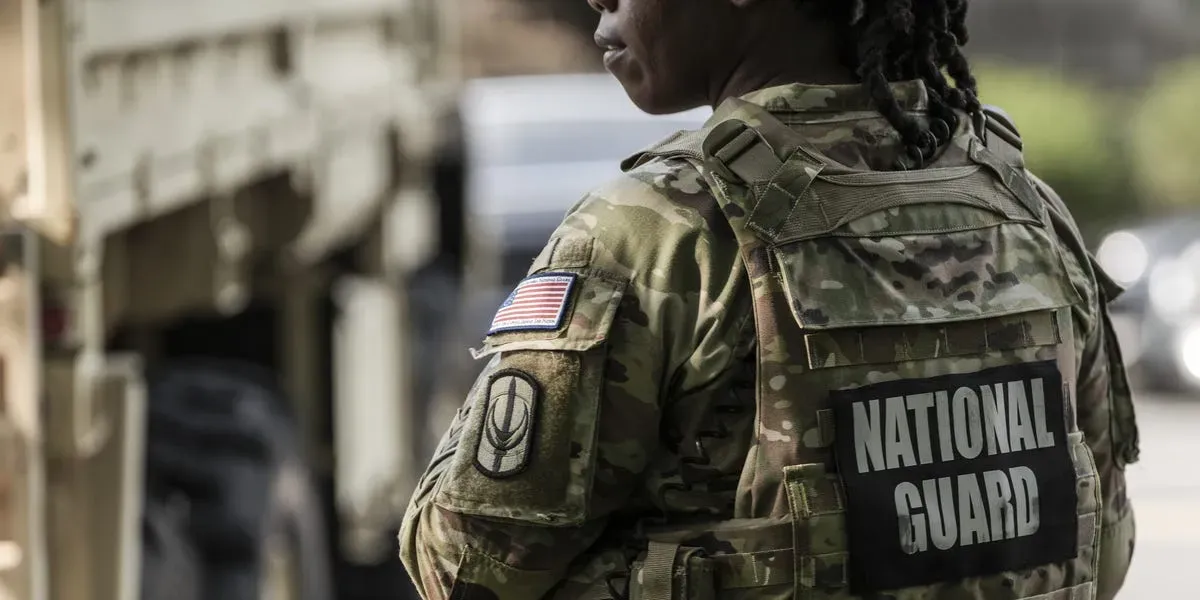
A major war abroad poses a significant threat to US states' ability to respond to emergencies at home, according to senior Army National Guard leaders who expressed concern about the potential drain on troops.
The worry is that in the event of a large-scale conflict with a major military power, governors may find themselves without sufficient National Guard personnel to deal with natural disasters, cyberattacks, and other crises. This could leave states vulnerable to devastating consequences. The Guard's 329,000 soldiers would be stretched thin.
Several generals discussed this issue at the Association of the United States Army's annual meeting in Washington last month, highlighting the dilemma that faces state governors. They pointed out that the Guard has a unique role, both responding to emergencies under the authority of state governors and serving as a combat reserve for the military.
In such an event, large numbers of Guard troops could be called to active duty overseas, leaving governors with fewer personnel to handle domestic crises or protect critical infrastructure.
The National Guard's dual role in both domestic and international conflicts has created a delicate balance of responsibilities. With thousands of Guardsmen currently deployed along the US southern border and in Washington D.C. to support an anti-crime initiative, states are already facing a strain on their resources.
Furthermore, this year has seen a significant deployment of National Guard troops for overseas combat operations, such as Operation Epic Fury against Iran, while also responding to domestic emergencies like ice storms, hurricanes, and flash floods. This trend suggests that the Guard's capabilities may be stretched even thinner in the event of a major war.
Maj. Gen. Larry Muennich, Indiana's adjutant general, has raised concerns about the potential consequences of mobilizing National Guard forces for war. He questioned what domestic emergency response capabilities governors would have left if their Guard troops were called away to fight overseas.
Some states are proactively addressing this issue by taking steps to mitigate the potential shortfall in their National Guard resources.
Florida has taken steps to mitigate potential gaps in National Guard resources by reviving its State Guard program. This separate, state-controlled volunteer force allows up to 1,500 volunteers to respond to emergencies within the state.
Other generals have suggested implementing a process to resolve competing demands for troops between state and federal authorities. They also recommend improving civilian emergency response capabilities and streamlining mobilizations for certain home-defense missions.
The National Guard's effectiveness in responding to crises is being closely watched by adversaries, according to Maj. Gen. Brey Hopkins. This scrutiny underscores the importance of developing strategies to ensure a robust and efficient military response in times of need.
Facts based on reporting originally published by Business Insider.
You may republish this story, in full or in part, if you credit News Central Site and link to it (licence CC BY 4.0). Photos are not included.