Cities with Best Support for Veterans Revealed
A recent study by WalletHub assessed 19 key factors across the largest 100 U.S. cities to identify areas that excel in supporting veterans.
The challenges faced by American veterans are well-documented, yet there exist many resources and benefits available to those who have served the nation. However, not all locations in the United States offer equal access to these opportunities.
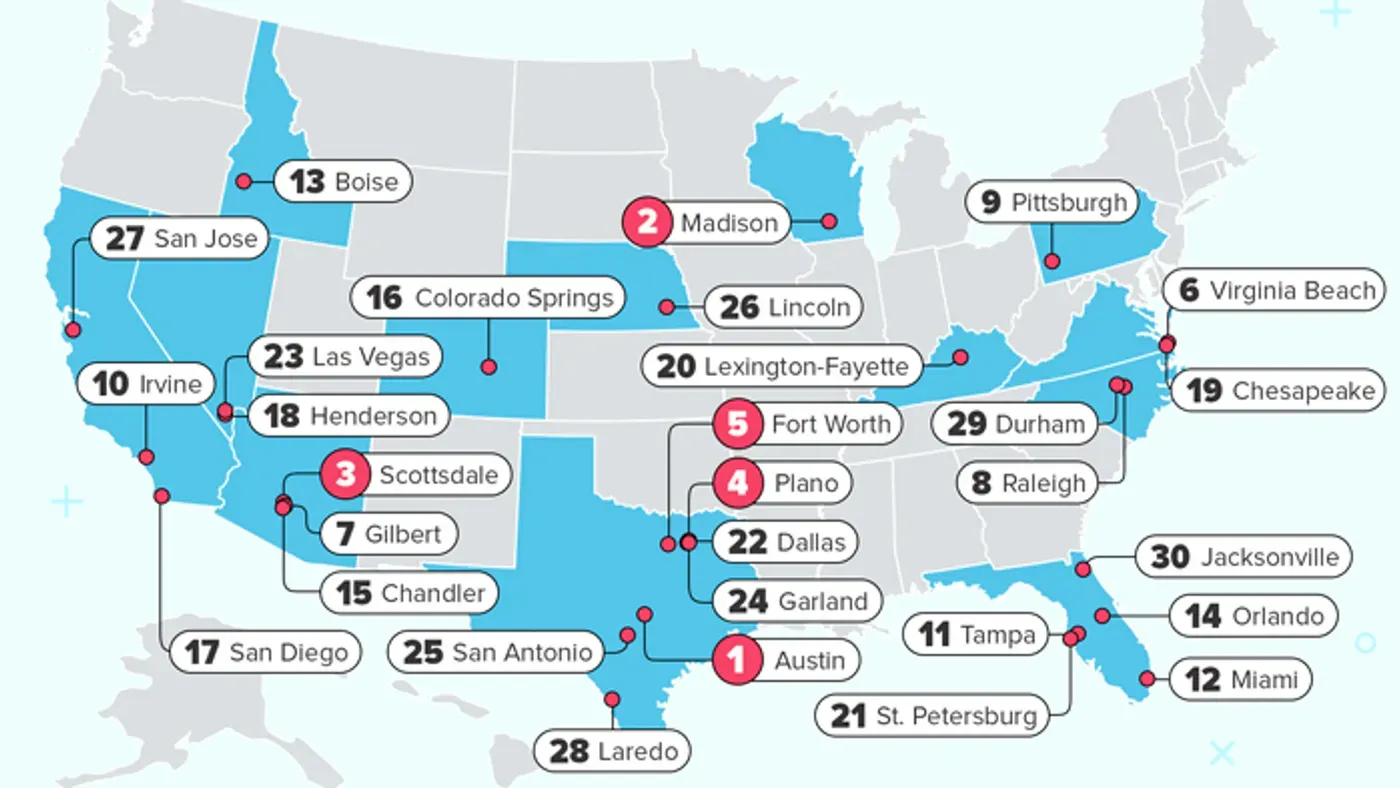
A recent study has shed light on which cities provide the best support for veterans. Conducted by WalletHub, this extensive analysis assessed 19 key factors across the largest 100 U.S. cities. The aim was to identify areas that excel in offering resources, chances, and healthcare accessibility specifically tailored to veterans' needs.
The data collected by WalletHub provides a comprehensive picture of which cities are best equipped to support veterans. This includes examining the availability of jobs aligned with military skills, proximity to VA health facilities, and other relevant factors.
The study's findings come at a time when many veterans continue to face significant challenges. According to official statistics, nearly 3.6% of veterans remain unemployed. Furthermore, around 32,000 veterans are homeless, highlighting the pressing need for supportive environments in which they can thrive.
The mental health and well-being of veterans also pose significant concerns. The U.S. Department of Veterans Affairs reports that approximately seven out of every 100 veterans experience post-traumatic stress disorder (PTSD).
Despite having a lower unemployment rate than the general population, approximately 32,000 veterans continue to experience homelessness in the United States, highlighting the need for supportive living environments for this demographic.
The city of Austin, Texas stands out as a prime location for veterans and their families, boasting an impressive array of colleges that cater specifically to veteran students. Additionally, Austin's economy is thriving, with the seventh-highest job-growth rate in the country and a median annual income that ranks ninth among major metropolitan areas.
Austin's appeal extends beyond its economic advantages, offering a vibrant cultural scene that includes numerous restaurants and arts venues offering military discounts. The city also has one of the smallest projected decreases in veteran populations between 2024 and 2053, indicating a strong sense of community and support for those who have served.
The presence of these supportive amenities is crucial given the mental and physical health challenges faced by many veterans. According to data from the Wounded Warrior Project, at least three-quarters of post-9/11 veterans are dealing with some form of health complication.
Austin's overall ranking as the top city for veterans in the US reflects its unique combination of economic opportunities, educational resources, and community support, a testament to the city's ability to provide a welcoming environment for those who have served their country.
Madison, Wisconsin stood out as a top destination for veterans due to its strong economic growth opportunities. The median income of veterans in Madison increases by 8% each year, making it one of the fastest-growing rates in the country. This significant increase in earnings is likely to contribute to the city's overall appeal.
In addition to financial stability, Madison also boasts a low rate of homelessness among its veteran population. With only two homeless veterans for every 1,000 residents, the city provides a safe and supportive environment for those who have served.
The next top destination was Scottsdale, Arizona, where veterans enjoy a median income of $68,000 annually. This high earning potential makes it one of the top cities in the nation for veterans' financial stability. Scottsdale also excels in other areas, such as providing a comfortable place to retire and raise a family.
The city's economic prosperity is not the only factor that sets it apart; Scottsdale also has one of the lowest rates of homelessness among its veteran population. This combination of financial security and community support makes Scottsdale an attractive option for veterans looking to put down roots.
Fremont, California stood out as a leader in terms of job opportunities related to military skills. With a high percentage of jobs aligned with veterans' training and experience, Fremont offers a seamless transition into civilian life. Other cities that ranked highly in this category include Madison, Wisconsin; Durham, North Carolina; Boston, Massachusetts; and San Jose, California.
Lincoln, Nebraska stands out as a city with an impressively low percentage of unemployed veterans, ranking it among the top cities for those who have served in the military. Following closely behind are Chesapeake, Virginia; St. Petersburg, Florida; Irving, Texas; and Fremont, California.
Meanwhile, Miami, Florida takes the top spot when it comes to veterans' income growth, with Garland, Texas and San Bernardino, California also experiencing significant increases in earnings. Gilbert, Arizona rounds out this group of cities, followed closely by Boston, Massachusetts.
Gilbert, Arizona is notable for having the lowest percentage of veterans living below the poverty line, a distinction it shares with several other cities including Virginia Beach, Virginia; Chula Vista, California; Fremont, California; and Charlotte, North Carolina.
Virginia Beach, Virginia boasts an impressive record when it comes to providing support for its homeless veteran population, with fewer than one in every hundred veterans living on the streets. Other cities that have made notable strides in reducing homelessness among their veteran populations include Raleigh, North Carolina; Colorado Springs, Colorado; Buffalo, New York; and Jacksonville, Florida.
A number of cities stand out as having a significant proportion of residents who are veterans, with Virginia Beach, Virginia tied for top honors alongside Chesapeake, Virginia; Colorado Springs, Colorado; Norfolk, Virginia; and Anchorage, Alaska.
The rankings reveal that several cities stand out for their high proportion of veteran residents, including Virginia Beach and Chesapeake in Virginia, Colorado Springs in Colorado, and Norfolk in Virginia, all tied for first place.
Cities at the other end of the spectrum struggle to provide a supportive environment for veterans, with Detroit, Michigan ranking poorly due to its high unemployment rate and low quality of life scores. Newark, New Jersey ranked second-lowest, followed by Baton Rouge, Louisiana, Memphis, Tennessee, and Toledo, Ohio.
Facts based on reporting originally published by Mental Floss.
You may republish this story, in full or in part, if you credit News Central Site and link to it (licence CC BY 4.0). Photos are not included.