Mpox continues to spread in US and other countries worldwide
The virus has caused low-level transmission in several nations, including Germany, Portugal, and the US, which may soon be considered endemic to the country.
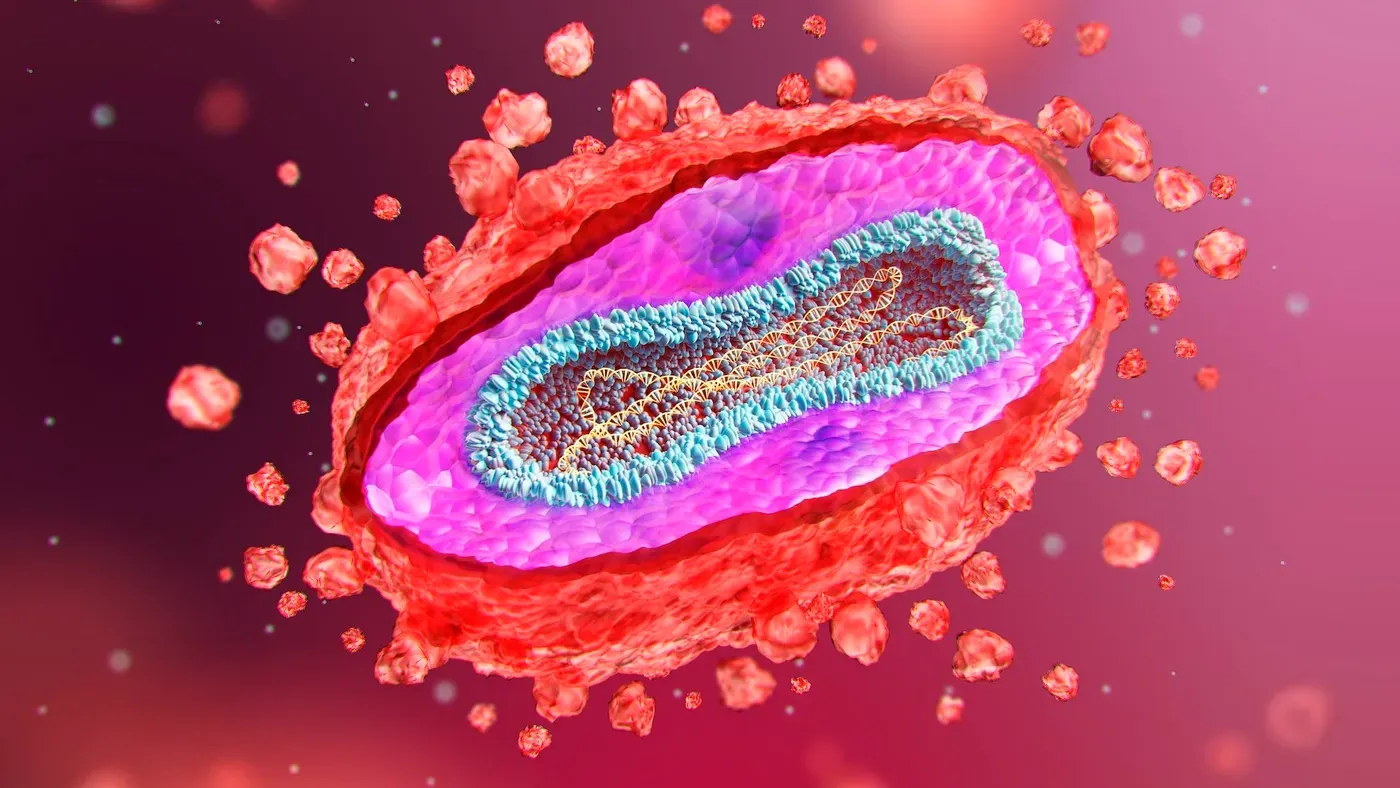
The US continues to grapple with the mpox virus, a disease caused by a poxvirus that is related to smallpox. This infectious disease has its roots in Africa, where it was consistently found in central, eastern and western regions before spreading globally in 2022.
Following the unprecedented outbreak last year, several countries including Germany, Portugal and the US are now dealing with local transmission of mpox. These nations had previously only seen sporadic cases, but the virus has taken hold in various parts of the world.
The US is one of the countries still experiencing low-level spread of mpox, which may soon be considered endemic to the country. While case numbers have significantly decreased since the peak of the outbreak in summer 2022, some individuals are advised to get vaccinated against the virus.
Mpox vaccination efforts in the US rely on a vaccine called JYNNEOS. Studies suggest that this vaccine offers protection ranging from 35% to 86% with a single dose and 66% to 90% when administered as a two-dose series.
The effectiveness of the JYNNEOS vaccine can vary, depending on factors such as whether it is used in people living with or without HIV. Those with inadequately treated HIV may experience reduced protection due to their compromised immune response.
As the current outbreak primarily affects men who have sex with men and their sexual networks, these groups are being targeted for vaccination using the JYNNEOS vaccine.
A subset of men who have sex with men is recommended for vaccination against mpox, according to guidelines from the Centers for Disease Control and Prevention (CDC). This includes individuals who have had multiple sexual partners in the last six months, those who have engaged in sex at commercial venues, or those diagnosed with other sexually transmitted diseases.
Nonbinary and transgender people with these risk factors are also advised to receive two doses of JYNNEOS. Furthermore, any sexual partners of individuals within these groups should also consider getting vaccinated.
In addition to vaccination for high-risk groups, the CDC recommends administering vaccines after suspected exposure to mpox. This can help prevent or reduce the severity of the infection.
Healthcare providers are urging eligible individuals who have not yet completed their vaccination series to take action now. According to Dr. Demetre Daskalakis, chief medical officer at Callen-Lorde, an LGBTQ+ community health center in New York City, those who meet the eligibility criteria should discuss getting vaccinated with their healthcare provider.
People who have received two doses of JYNNEOS are considered fully vaccinated and do not require a booster shot. Dr. Daskalakis also noted that individuals who have previously contracted mpox and recovered do not need to get vaccinated.
Mpox is part of the poxvirus family, which includes smallpox, now eradicated worldwide. While mpox causes similar symptoms to smallpox, it tends to be a milder disease.
The virus was initially named monkeypox due to its discovery in captive monkeys in Denmark. However, research suggests that rodents and small mammals found primarily in West and Central Africa are likely the main hosts of the virus in the wild. In 2022, health officials changed the name to mpox.
The outbreak of mpox has been characterized by two distinct branches of the viral family tree, clade I and clade II. Historically, these clades were thought to have significantly different mortality rates, with clade I being the more deadly of the two.
Studies have estimated that the case-fatality rate (CFR) for clade I can range from 1.4% to over 10%, depending on the specific outbreak, while the CFR for clade II has been estimated at between 0.1% and 3.6%. However, as mpox spreads beyond Africa, new data suggests that the mortality rate for clade I may be lower than previously thought.
Experts attribute this shift in understanding to a variety of factors, including the impact of surrounding health infrastructure, patients' access to timely medical care, and underlying risk factors within the population. These variables can greatly influence the severity of an outbreak, rather than being inherent characteristics of the virus itself.
The transmission dynamics of mpox are complex, involving both animal-to-human and human-to-human contact. Infected animals can pass the virus on through bites or scratches, while close contact with animals and their bodily fluids during activities like hunting, skinning, or cooking can also transmit the disease.
Furthermore, people can contract mpox through intimate contact with an infected individual, typically entering the body through broken skin, the respiratory tract, or mucous membranes. Contaminated objects such as clothing or linen can also spread the virus, highlighting the importance of thorough hygiene practices.
According to the World Health Organization (WHO), individuals should exercise caution when handling animals and their bodily fluids, especially if they are engaging in activities that involve close contact with these substances. Proper precautions can help mitigate the risk of transmission.
Research continues to uncover the intricacies of mpox transmission, shedding light on the complex interplay between viral characteristics, environmental factors, and human behavior. As our understanding grows, so too will our ability to develop effective strategies for preventing and controlling outbreaks.
The spread of mpox in the US is a complex issue, with various routes of transmission contributing to its ongoing outbreak.
One lesser-known but still significant way the virus can be transmitted is through small respiratory droplets expelled during speaking or breathing, although this route appears to be less common than close contact. There are also instances where people can spread the virus without showing any symptoms, but the frequency of such cases remains unclear.
The virus can also pass from mother to baby during pregnancy or childbirth, resulting in severe outcomes for both the newborn and the mother. This mode of transmission can lead to complications including stillbirth, death of the newborn, or issues for the mother herself.
Visuals shared by the CDC prior to the infection's name change show how mpox rashes can manifest on different skin tones, highlighting the importance of considering individual characteristics when diagnosing the condition.
Symptoms of mpox typically emerge within a week of exposure but can take up to 21 days to develop. Once they appear, symptoms usually last between two and four weeks in most people, although those with weakened immune systems may experience a longer duration.
Common symptoms include fever, sore throat, headache, muscle aches, back pain, swollen lymph nodes, and low energy, often accompanied by a characteristic rash that begins on the face before spreading to other parts of the body. In some cases, especially when infection occurs through sex, the rash may first appear around the genitals.
Mpox infections can lead to a range of complications beyond just rashes and scabs. One potential issue is bacterial skin infections, which can cause abscesses or other serious damage to the skin. In some cases, these infections can become severe enough to require medical attention.
The consequences of mpox don't stop at the skin. The illness can also lead to more serious health problems, including pneumonia, corneal infections that can cause vision loss, and gastrointestinal issues such as vomiting and diarrhea. These complications can result in dehydration or malnutrition if left untreated.
Certain groups are more vulnerable to severe mpox infection. Children, pregnant individuals, and people with weakened immune systems, including those with HIV, are at a higher risk of serious illness and death from the virus.
In addition to vaccination, there are other strategies that can help reduce the risk of mpox infection. Frequent handwashing, avoiding contact with contaminated objects or materials used by infected individuals, and refraining from touching others' scabs or rashes can all be effective precautions.
Mpox treatment typically focuses on managing symptoms and preventing complications. According to the World Health Organization, early and supportive care is crucial in helping manage symptoms and avoiding further problems. This approach often involves a combination of medication and supportive measures such as pain management.
While there is no antiviral drug specifically approved for mpox treatment, some medications are available for emergency use in certain countries. In the US, for example, certain smallpox medicines can be used to treat mpox infections under emergency circumstances. Severe cases may also require more aggressive treatment with vaccinia immune globulin intravenous, which contains antibodies from individuals immunized against smallpox.
Mpox vaccines are a crucial tool in preventing severe cases of the disease, but they may not provide full protection against all symptoms. According to experts, these vaccines can reduce the severity and duration of mpox symptoms, as well as lower the risk of transmission.
The treatment for mpox typically involves supportive care, including hydration, pain management, and wound care, especially in severe cases where lesions cover a large area of the body. Severe cases may also require more aggressive treatment with vaccinia immune globulin intravenous, which contains antibodies from individuals immunized against smallpox.
Mpox has become a significant public health concern worldwide, including in the US, highlighting the need for continued vigilance and awareness about the disease's symptoms, transmission, and prevention.
Facts based on reporting originally published by Live Science.
You may republish this story, in full or in part, if you credit News Central Site and link to it (licence CC BY 4.0). Photos are not included.