Mountain Hike in Northern Norway Faces Harsh Conditions
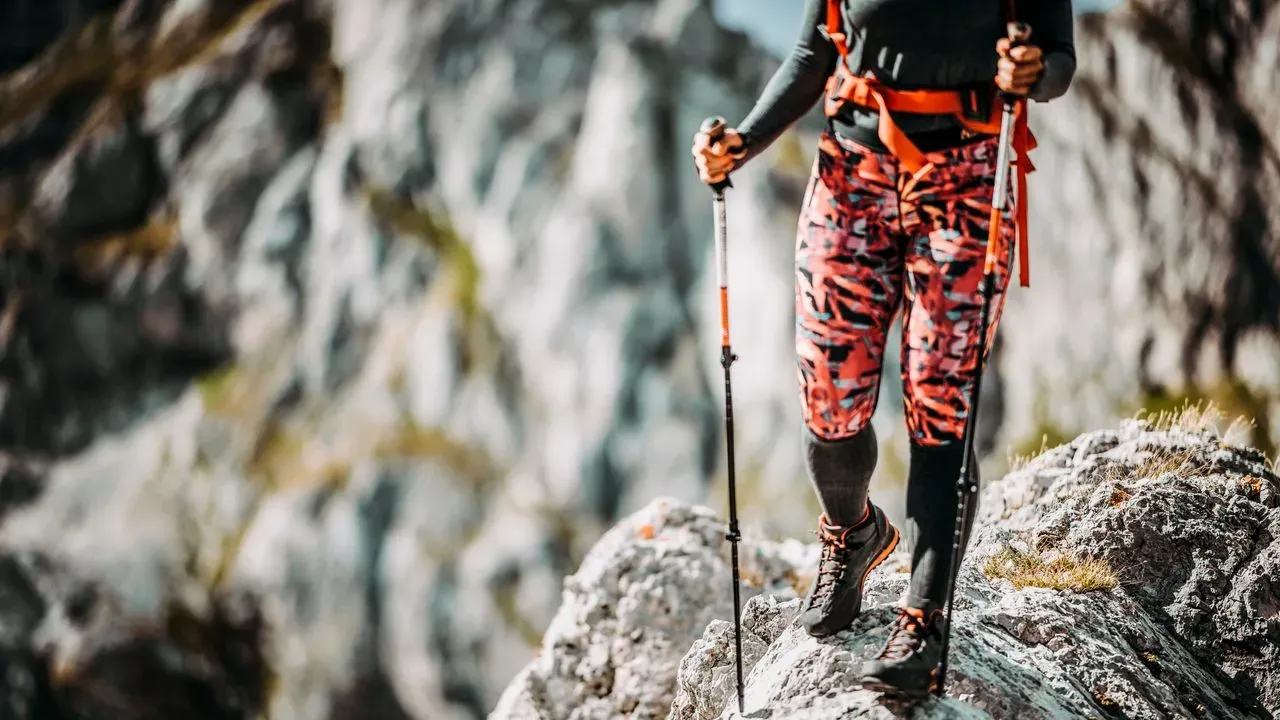
A hiking guide's words of wisdom came at a perfect moment as we ascended to nearly 2,000 feet on a steep mountain face in Northern Norway.
A hiking guide's words of wisdom came at a perfect moment as we ascended to nearly 2,000 feet on a steep mountain face in Northern Norway. "Now you know what it’s like to be in the eye of a storm," said Audun Rasmussen with a grin, his statement was met with a wobbly nod from me.
The strong wind had other plans for my attempt at a nod, whipping it into a wobble as we navigated the rugged terrain. The rain pounded against us, making every step a challenge, and turning much of our trails into sinking mud. Rock faces became gripless stone underfoot, forcing us to use our hands to push past birch trees.
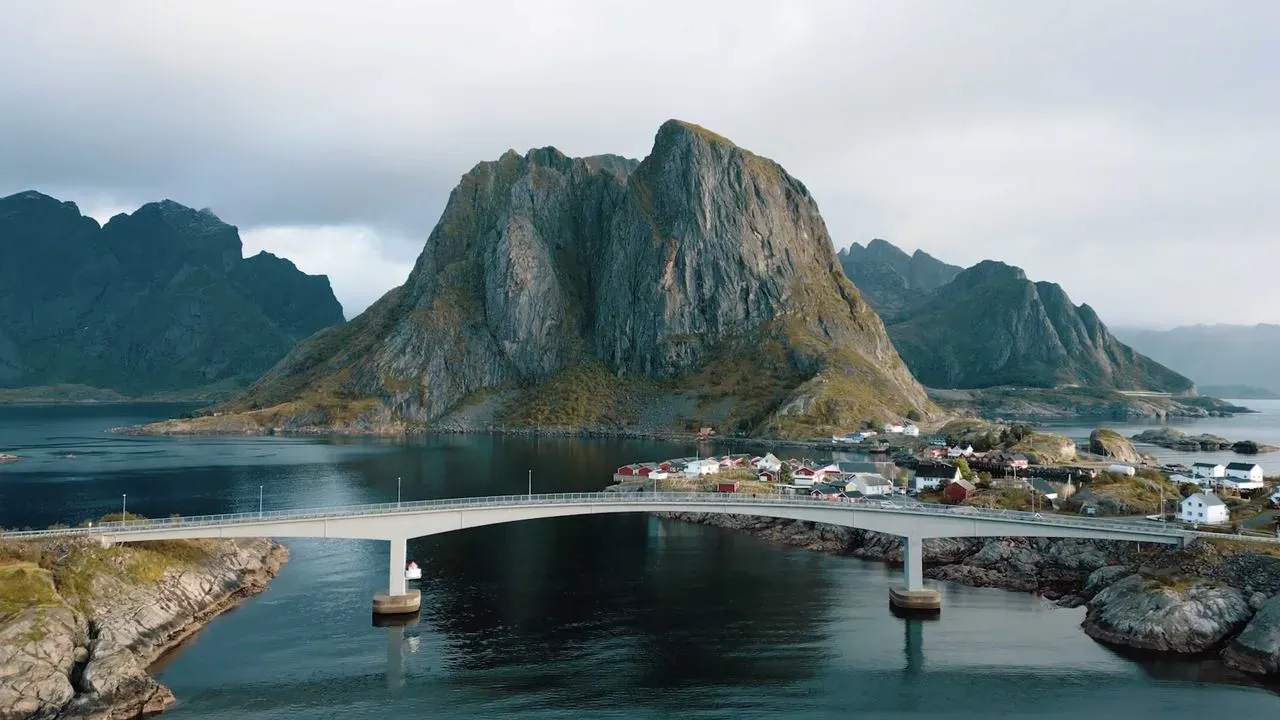
The sense of achievement was palpable despite the harsh conditions. We had already made it this far, and still had to make our way back down. The experience was a testament to the allure of Lofoten Islands, which draws over a million visitors each year with its dramatic landscape of spiky mountains rising from the Norwegian Sea.
The tiny archipelago is located 68 degrees north of the Arctic Circle, just two flights from Oslo. In summer, adventurers flock to the islands for endless daylight and opportunities to camp, climb, and swim. But I had come in late September, when summer's twilight was giving way to autumn's chill.
As we climbed higher, fog clung to every nook and crevice of the glacial hulks surrounding us, obscuring the views that are typically promised in this part of Northern Norway. The picturesque towns and freshwater lakes below were hidden from view, replaced by an eerie mist that seemed to swallow everything whole.
The Lofoten Islands' unique landscape is formed on rock foundations that predate the Jurassic period. This geological history is what draws visitors from around the world, each year adding to the islands' reputation as a destination for adventure and exploration.
Despite the challenges we faced, our guide remained optimistic about the conditions. With any luck, the weather would clear up by the time we reached our destination, Holmen Lofoten, a culinary destination and hotel perched on stilts in the village of Sørvågen.
The traditional fishing cabins at Holmen Lofoten have distinct corrugated roofs, some of which are topped with insulating grass for added warmth and insulation.
A network of walkways connects the buildings to each other and to wooden decks facing the sea, providing guests with easy access to the surrounding landscape.
Inside the guest rooms, large picture windows frame the shoreline, offering breathtaking views of the fjords and mountains that surround Holmen Lofoten.
The interior design is characterized by simple local furnishings and hand-hewn charm, creating a cozy and rustic atmosphere that feels deeply connected to nature.
During my stay at Holmen, I had the opportunity to participate in Kitchen on the Edge of the World, an exclusive culinary adventure that brings together acclaimed chefs and guests for a unique dining experience.
This particular edition was led by Matt Orlando, a renowned chef from Copenhagen who has worked at some of the world's most influential kitchens, including The Fat Duck in London and Per Se in New York.
The landscape that inspired every dish on our menu was spread out just beyond the windows, providing a constant reminder of the natural beauty that nurtures every meal.
The rustic interiors of Holmen's shared spaces, complete with exposed beams and raw sculptural elements, set the tone for an immersive dining experience that echoes the weathered landscape outside.
That evening, a talented team of chefs from around the world took the helm in the kitchen, each bringing their own unique perspective to the table. This diverse group had traveled from far-flung locations such as Sicily and Piauí in Brazil to cook at Holmen.
The dinner menu featured an array of small plates, including shrimp croustades that were both elegant and refined. Meanwhile, cocktails made with locally foraged ingredients added a touch of creativity to the evening's proceedings. These drinks, which resembled classic Negronis but had been infused with unique flavors, were a hit among the guests.
The non-alcoholic options on offer were equally impressive, with an elderflower tonic that was both refreshing and flavorful. This drink was made using freshly picked wild hops from nearby, adding a subtle earthy note to its delicate flavor profile.
As the evening wore on, it became clear that the focus at Holmen is not just on serving great food but also on showcasing the natural beauty of the Lofoten Islands. The chefs and staff are passionate about highlighting the region's unique ingredients and culinary traditions.
I had a chance to speak with Ingunn, one of the co-owners of Holmen, who explained that the property was created as a way to share the islands' natural splendor with guests. This commitment to land stewardship is evident in every aspect of the operation, from the locally sourced ingredients used in the kitchen to the sustainable practices employed on site.
The evening's conversation flowed easily, and I found myself chatting with Mia Hjorth Hansen, a co-owner of Gedulgt cocktail bar in Denmark, who was also resident mixologist at Kitchen on the Edge. Her use of foraged and dried ingredients, including cornflower, dandelion, and fireweed, added an extra layer of depth to her craft cocktails.
The Northern Lights were forecasted to appear in the area, and Holmen kept watch on the skies, eager for a glimpse of this natural phenomenon.
This was a fitting precursor to the unique dining experience that awaited guests at the property, where live-fire cooking and an emphasis on the Arctic environment created an intimate atmosphere.
The next morning, I joined Orlando and his sous chef Tom Siebeler in the kitchen as they prepared for their first dinner service. The air was filled with the aroma of sizzling reindeer ribs from a sustainable farm run by Sámi herders just north of Lofoten.
Orlando was improvising garnishes to suit the ribs, which he had initially expected to be served as chops. He explained that anything cooked in their wood-fired oven would be exceptional, and I couldn't help but agree with his enthusiasm.
The property's commitment to sourcing ingredients locally is evident in its menu, featuring reindeer, Lofotlam lamb, and a variety of vegetables all sourced from within the region.
Ingunn emphasized the importance of knowing where ingredients come from, not just for food but also for objects used in the property. This philosophy is reflected in the exquisite tableware we were dining on, crafted by local ceramicist Gunvor Tangrand.
The tableware's organic forms pay homage to the surroundings, while its textured surfaces incorporate old fishing yarn, adding a touch of rustic charm to the overall aesthetic.
The menu at Holmen reflects the restaurant's commitment to sustainability and local ingredients. Fermented potato bread is one of the signature dishes that have made the move from Oslo to Lofoten. This dish, along with others, has been adapted for the unique environment of this remote Norwegian archipelago.
As we gathered around communal tables, the arrival of the potato bread with allium butter was met with delight. The fishbone noodles, a masterful creation, also generated excitement, and it wasn't long before everyone was savoring the main course - reindeer - with their hands. The utensils had been set aside to encourage a more primal dining experience.
The meal was served family-style, allowing guests to share in the abundance of the harvest. As a pescatarian, I opted for the hedgehog mushrooms grilled with chili-strawberry barbecue sauce and Lofoten chimichurri. Outside, the full moon cast an ethereal glow over the landscape.
Weather patterns in the North can change quickly, as we experienced firsthand during our stay at Holmen. The conditions are so unique that they support a thriving ecosystem, where marine life is nurtured by the interaction between warm and cold waters. This confluence of climatic conditions allows for an incredible array of plant and animal life.
Ingunn, who leads guests on foraging walks, understands the importance of respecting this delicate balance. She returns with fireweed flowers for immune-boosting tea, cloudberries for jam, or lovage for a vibrant butter. Her knowledge is rooted in the understanding that this landscape has been nourished by the sea and its creatures for generations.
The enduring connection to one particular food source - skrei, or Arctic cod - is a testament to the region's rich history and culture. Tepee-style wooden drying racks known as hjeller have dotted the terrain for over a thousand years. These distinctive frames will soon be filled with skrei caught at the end of their annual migration.
The annual catch of skrei in January is a significant event, and one that highlights the importance of preserving this delicate ecosystem. The people of Lofoten have learned to live in harmony with the sea and its creatures, and it's this understanding that makes their food so unique and special.
As we sat around the communal tables, enjoying our meal and the company of others, I couldn't help but feel a deep appreciation for this place and its people. The connection between the land, sea, and food is palpable, and one that will stay with me long after I leave Lofoten behind.
The local economy of Lofoten has been sustained by its seasonal bounty for centuries, much of which is transformed into tørrfisk, or wind-dried stockfish.
However, like many other coastal societies shaped by the Atlantic cod industry, Lofoten has faced ecosystem pressures over the years, including shifting migration patterns and offshore fishing fleets.
A diversified agricultural movement is now taking root in this region, as evidenced by innovative companies that are redefining traditional food systems.
In Napp, a small fishing village, Lofoten Seaweed Company stands out among these new ventures. This women-led team harvests seven types of local seaweed from strong tidal currents and transforms them into prized seasonings and toiletries for top kitchens like Noma and Geranium in Copenhagen.
Facts based on reporting originally published by Conde Nast Traveler.
You may republish this story, in full or in part, if you credit News Central Site and link to it (licence CC BY 4.0). Photos are not included.