Methane Emissions from Livestock Studied
A new study is examining the levels of methane emissions produced by various animal species to determine which one produces the most gas.
A new study on animal flatulence has sparked curiosity about which creature produces the most gas.
While it may seem like a lighthearted topic, experts say studying farts can reveal valuable insights into an animal's diet and digestive processes.
In reality, many animals release gases through their rear ends, from massive whales to slender snakes and even slow-moving sloths.
Researchers are now trying to determine which animal takes the top spot in this unusual contest.
Biologists have developed a way to measure methane emissions produced by different species. By comparing these levels, they can make educated guesses about which animal might be the biggest gas producer.
The release of methane from livestock is a complex process that involves various bodily functions. A significant portion of this gas is produced through burping, not flatulence, according to experts in the field.
This phenomenon can be attributed to the way herbivores digest plant material. Microbes in their guts are responsible for fermenting the food, releasing gases such as methane and carbon dioxide in the process.
The location of fermentation within the digestive tract plays a crucial role in determining how these gases are released from the body. In general, animals that ferment their food towards the front of the tract tend to burp out the gas, while those that ferment it towards the back pass it out as wind.
Cows and other ruminants like buffalo, sheep, goats, and camels produce most of their methane through belching due to a unique fermentation process in their digestive system. This occurs in the rumen, a specialized chamber near the front of their digestive tract. As a result, they tend to release gas as burps rather than passing it out as flatulence.
The title of top farter might not belong to cows after all. Instead, herbivores that digest plant matter in their large intestine, known as hindgut fermenters, are likely candidates for producing the most methane. This group includes animals that break down cellulose and other complex compounds in their digestive system.
Meat-eaters generally produce less methane than herbivores do, according to experts. Termites, which feed on wood and grass, might be a surprising contender for top farter due to their massive global population of around 27 quadrillion individuals. These tiny creatures collectively emit an estimated 10 teragrams of methane per year.
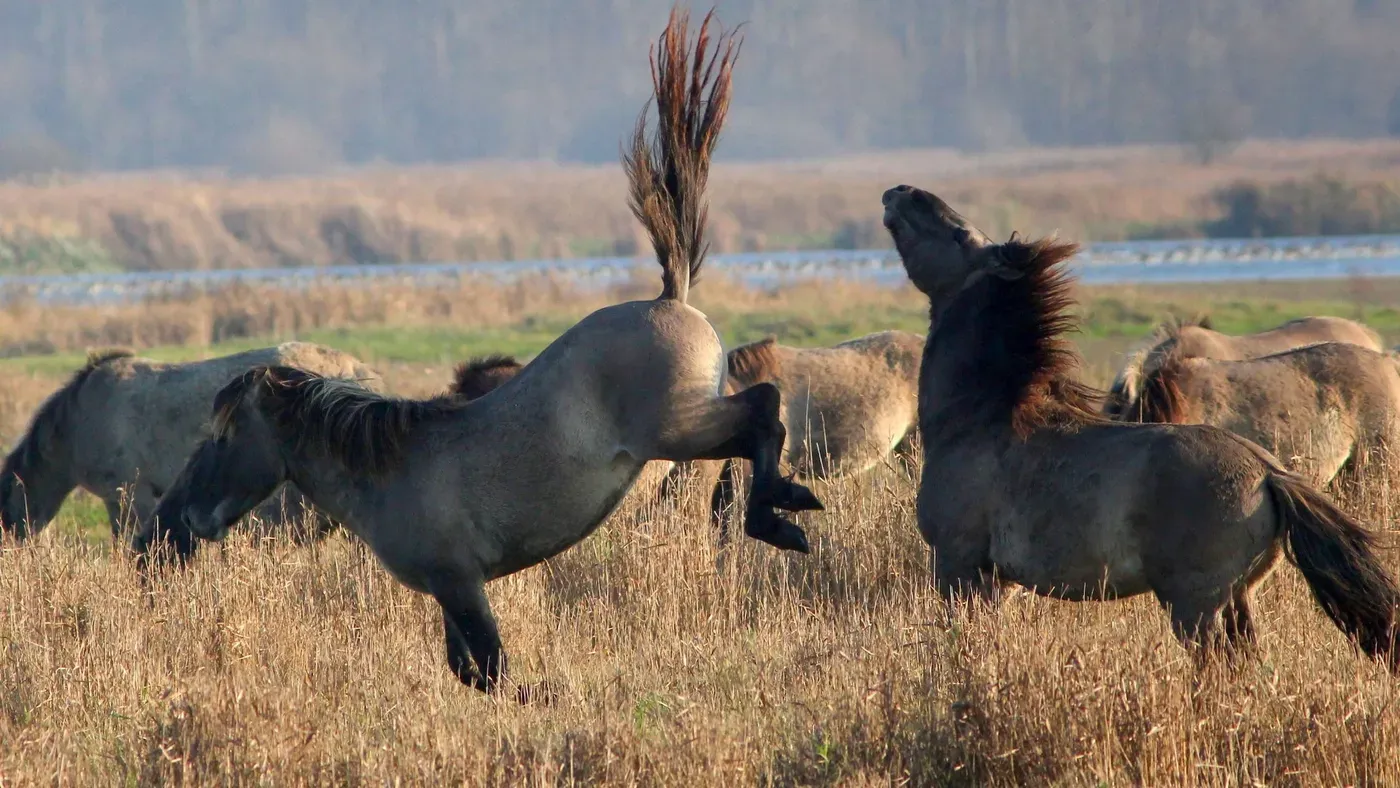
Horses may actually hold the record for individual methane emissions among hindgut fermenters. According to a recent report from the Intergovernmental Panel on Climate Change, horses release approximately 40 pounds (18 kg) of methane per horse each year. This finding challenges the assumption that cows are the top contenders for animal flatulence.
Clauss questions the accuracy of ranking animals by their methane emissions due to limited data on certain species.
He points out that horses top the list primarily because they have been extensively measured, but many other hindgut fermenters remain unaccounted for.
The nutria, a semiaquatic rodent, would likely surpass the horse in terms of methane emissions per unit of body weight if its emissions were to be accurately measured, according to Clauss.
Clauss also expresses skepticism about using methane emissions as an indicator of flatulence, highlighting that it is not a direct measure.
While researchers explore ways to minimize methane output in cattle through dietary changes, such as supplementing their feed with seaweed, it's essential to note that animal flatulence is not a significant contributor to global methane increases.
Methane emissions from termites are substantial, but even these large amounts do not have an impact on the environment. This is because methanotrophic bacteria in the soil consume much of the methane produced by termites, effectively reducing their net emissions.
The natural cycle of methane has been present for millennia, with termites' emissions being a part of this ongoing process.
Facts based on reporting originally published by Live Science.
You may republish this story, in full or in part, if you credit News Central Site and link to it (licence CC BY 4.0). Photos are not included.