Meta AI tools accused of bias in Brazil presidential election
Supporters of left-wing incumbent Luiz Inácio Lula da Silva are protesting outside Meta's Dublin headquarters, claiming unfair treatment by social media giants ahead of the second round on 25 October.
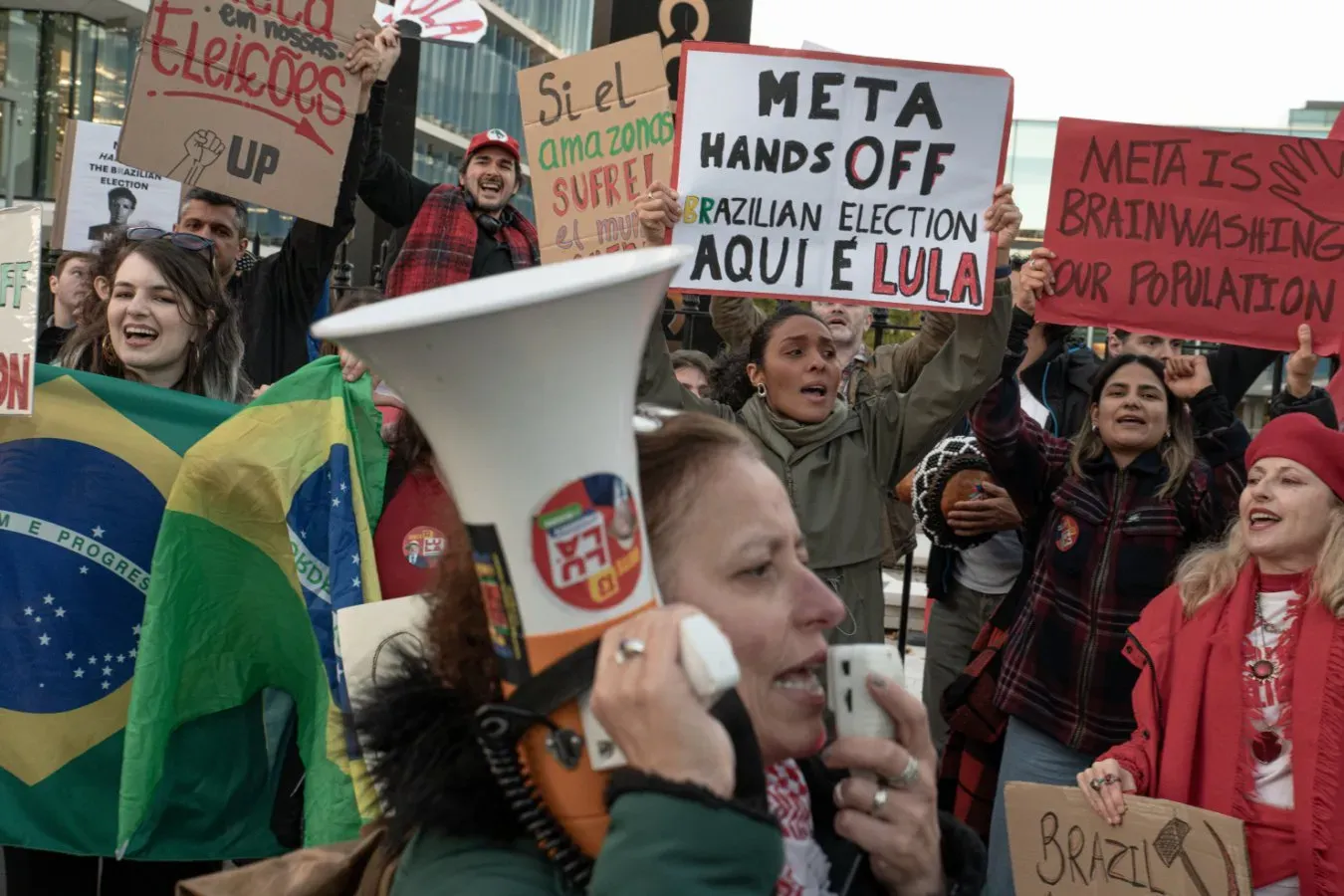
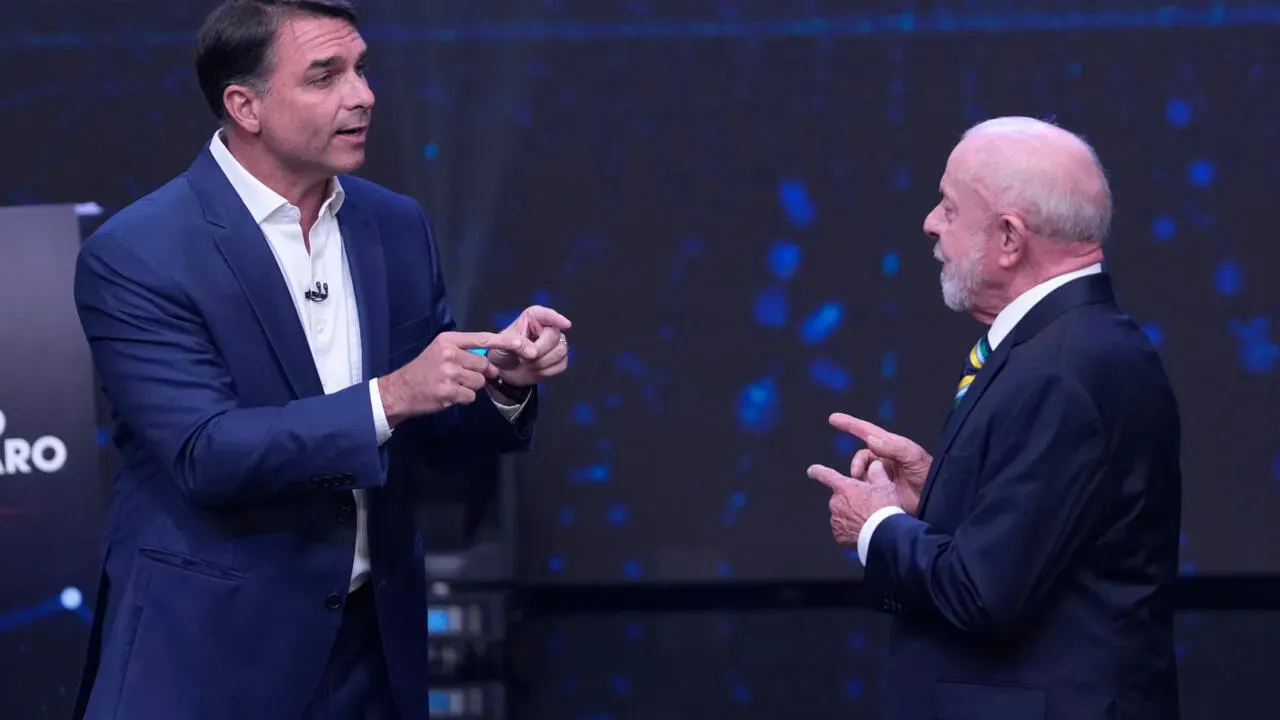
Brazil's presidential election is being marred by allegations of bias from social media platforms, particularly Meta AI tools. The controversy has reached a boiling point ahead of the second round on 25 October, where left-wing incumbent Luiz Inácio Lula da Silva will face off against right-wing challenger Flávio Bolsonaro.
Supporters of Lula have taken to the streets, protesting outside Meta's Dublin headquarters and voicing their concerns about unfair treatment by social media giants. They claim that Meta is favoring Bolsonaro by restricting access to advertising accounts and suppressing posts from Lula's campaign.
Brazil's electoral prosecutors are also investigating these claims, stating that Meta failed to comply fully with court orders aimed at ensuring equal treatment of both candidates. This has raised concerns about the integrity of the election process.
United Nations human rights experts have weighed in on the issue, expressing concern over possible unequal treatment of the two campaigns by social media platforms. They are closely monitoring the situation and its potential impact on the election's outcome.
The use of Meta AI tools, such as WhatsApp chatbots, has been a focal point of contention, with images circulating online showing the platform refusing to generate campaign posters for Lula while instantly producing an image for "Flávio".
Brazil's presidential election has been marred by allegations of bias in Meta AI tools, which have been accused of favoring incumbent President Jair Bolsonaro over his challenger, Luiz Inácio Lula da Silva.
Screenshots submitted to the electoral court by Lula's campaign appear to show Meta AI assigning Bolsonaro's electoral number, 22, to generic, fictional politicians. The same tool is also alleged to have translated a derogatory phrase about Bolsonaro into a compliment, further fueling concerns of bias.
David Nemer at the University of Virginia notes that determining whether these discrepancies are deliberate or not is impossible due to the opacity of Meta's systems. This lack of transparency has raised suspicions among Lula's supporters and experts alike.
The comeback of Luiz Inácio Lula da Silva in the polls has been attributed partly to his Army, an intensive online campaign that engages 8 million WhatsApp channel subscribers with daily tasks such as posting photographs on Instagram with a specific gesture. This effort appears to be paying off, with polls showing a narrowing gap between Lula and Bolsonaro.
The use of large language models in this election has been unprecedented, and experts say Brazil's experience offers a glimpse into the future of AI in politics. Fact-checking organisation Lupa identified 920 pieces of AI-generated or manipulated content ahead of the first round, mostly on Facebook and Instagram, with over half of it unlabelled.
The Brazilian presidential election has been marred by allegations of bias in Meta's AI tools, which have failed to prevent the spread of manipulated content.
Meta's independent oversight board has criticized the company's election safeguards, describing them as ineffective. Nemer, an expert on the matter, says it is a worrying development that highlights the need for better regulation of AI in politics.
The use of large language models (LLMs) in campaigning has raised concerns about their potential to spread misinformation and manipulate public opinion. A study by InternetLab found that eight major AI chatbots often refused to answer genuine questions about candidates, instead directing users to official electoral websites.
Facts based on reporting originally published by New Scientist.
You may republish this story, in full or in part, if you credit News Central Site and link to it (licence CC BY 4.0). Photos are not included.