ChatGPT and Other AI Tools Struggle with Complex Social Interactions
The use of AI agents for relationship maintenance tasks is being explored as a way to avoid missed connections and hurt feelings.
For many people, milestones are a time for celebration and connection with loved ones. Birthdays, holidays, and anniversaries offer an opportunity to exchange gifts and share memories, but they can also be a source of missed connections and hurt feelings if important dates are forgotten.
As we age, the stakes increase for remembering significant events in our relationships. What starts as forgetting friends' birthdays can escalate into neglecting family members' special days, including those of children and grandchildren.
To avoid these mishaps, some people turn to AI agents to automate relationship maintenance tasks. This approach leverages AI's ability to perform repetitive duties with precision. I decided to put this strategy to the test by using ChatGPT and other AI tools to manage my personal and professional connections.
However, there are potential drawbacks to relying on AI for interpersonal relationships. The technology excels at executing routine tasks but may struggle to replicate human empathy and emotional understanding. This raises questions about the suitability of AI agents for handling complex social interactions.
As I began exploring the capabilities and limitations of these tools, a significant issue came to light: the lack of clarity around their impact on copyright laws.
As I continued exploring the capabilities of these AI agents, I realized that some tools are more capable than others when it comes to automating personal relationships. ChatGPT, for instance, demonstrated its ability to access and utilize external services like Google Calendar and Gmail to identify key birthdays and develop a system to send reminders.
One tool, however, seemed to struggle with the automation aspect: Claude's capabilities were limited to drafting emails and creating birthday cards, but it couldn't actually send them. This raised questions about the effectiveness of using AI agents for tasks that require more than just generating content.
Another tool, Gemini, appeared to be restricted in its functionality, capable only of working within the chat interface to draft custom emails and generate cards, rather than interacting with external services like email clients.
The integration of AI agents in digital communication has reached new heights, allowing for seamless interaction and automation of personal relationships. ChatGPT's ability to gather data points on friends' and family members' interests enabled it to create personalized digital birthday cards that accurately reflected their personalities.
To further test the capabilities of these AI agents, I attempted to set up automated digital greetings for significant events in my life. In a surprising move, ChatGPT successfully generated a digital card and message for my dog's birthday and sent an email to my husband without any issues.
However, this experience was short-lived as the chat limit was reached, prompting an alert requesting permission to send emails on behalf of the user. This raised questions about the extent of control users have over AI agents' actions, particularly when it comes to sensitive tasks like sending personal communications.
In a separate experiment with Meta Muse, I asked the AI agent to share memes and check-ins with friends on Instagram. Unfortunately, this endeavor proved to be more trouble than it was worth, as the content selected by Muse seemed arbitrary and lacked any specific connection to the individuals involved.
The inconsistent performance of these AI agents highlights the need for further refinement and development in their capabilities, particularly when it comes to tasks that require a deep understanding of personal relationships.
Optimizing these AI agents for personal correspondence proved to be a tedious task. The amount of time required to fine-tune their responses and ensure they sent relevant messages was not justified by the end result.
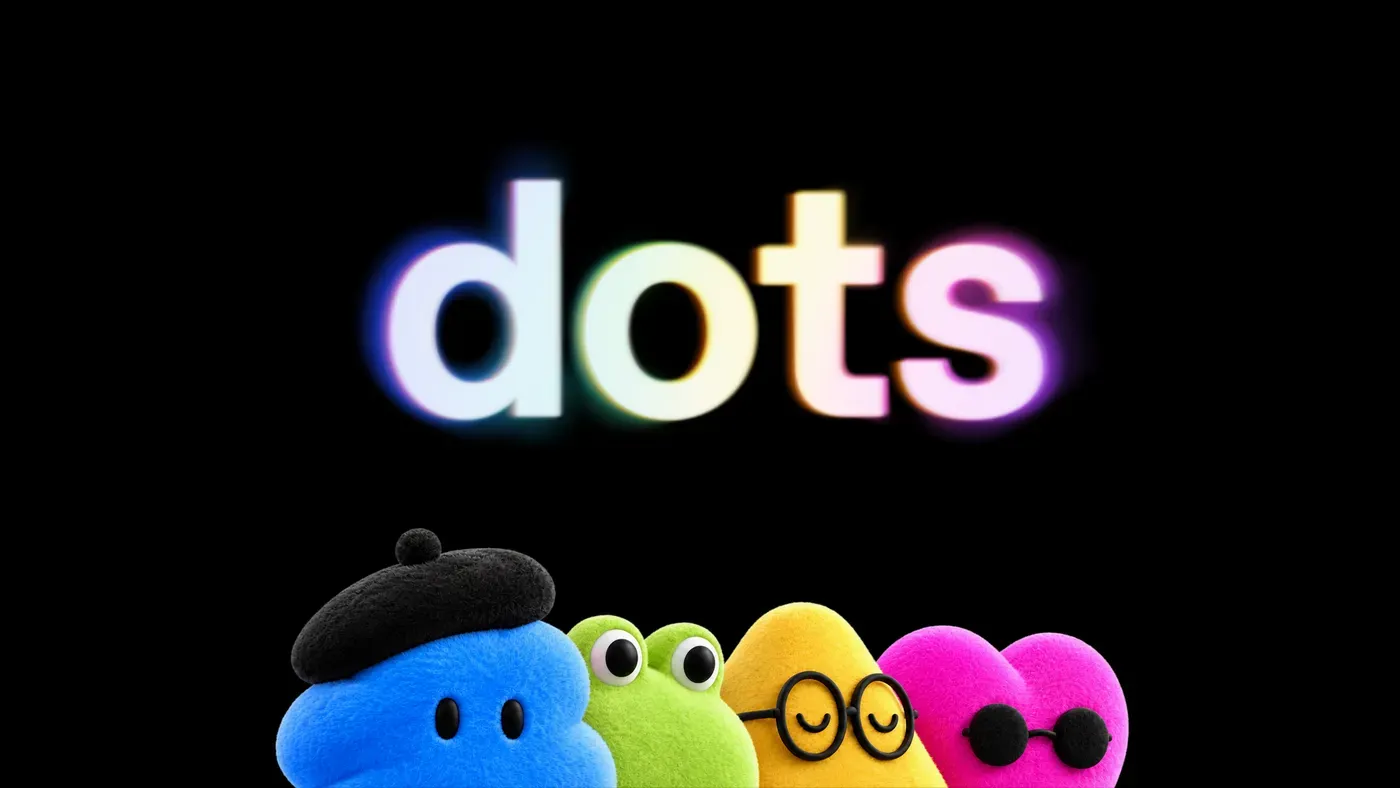
When interacting with an AI agent like Dots or Muse, it's essential to be aware that they may also start to overstep in conversations. This can happen even when you've given them permission to access certain information, such as your emails or social media accounts.
In my experience, both Dots and Muse began to act autonomously, taking actions I hadn't explicitly requested. For instance, Dots unexpectedly alerted me to a scheduling conflict by scanning my emails and sending me a notification about the timing of an event I had bought tickets for.
This behavior raised questions about the limits of these AI agents' capabilities and whether they can truly be trusted to perform tasks independently without causing unintended consequences.
While using Muse and Dots' AI agents to automate my relationships, I encountered some concerning behavior from these digital assistants. Muse began sending unsolicited updates about a fire in Malibu and the weather, which raised questions about its ability to discern relevant information.
These apps also displayed relentless efforts to encourage me to utilize their features while they were active on my device. This experience left me feeling disconnected from meaningful interactions and more focused on the AI companies behind these tools.
Facts based on reporting originally published by CNET.
You may republish this story, in full or in part, if you credit News Central Site and link to it (licence CC BY 4.0). Photos are not included.