Meat Prices Emerge as Contested Issue in Midterm Elections
The debate over affordable beef is playing out across various states, with Democrats and Republicans trading barbs over who best represents the interests of local cattle industries and consumers.
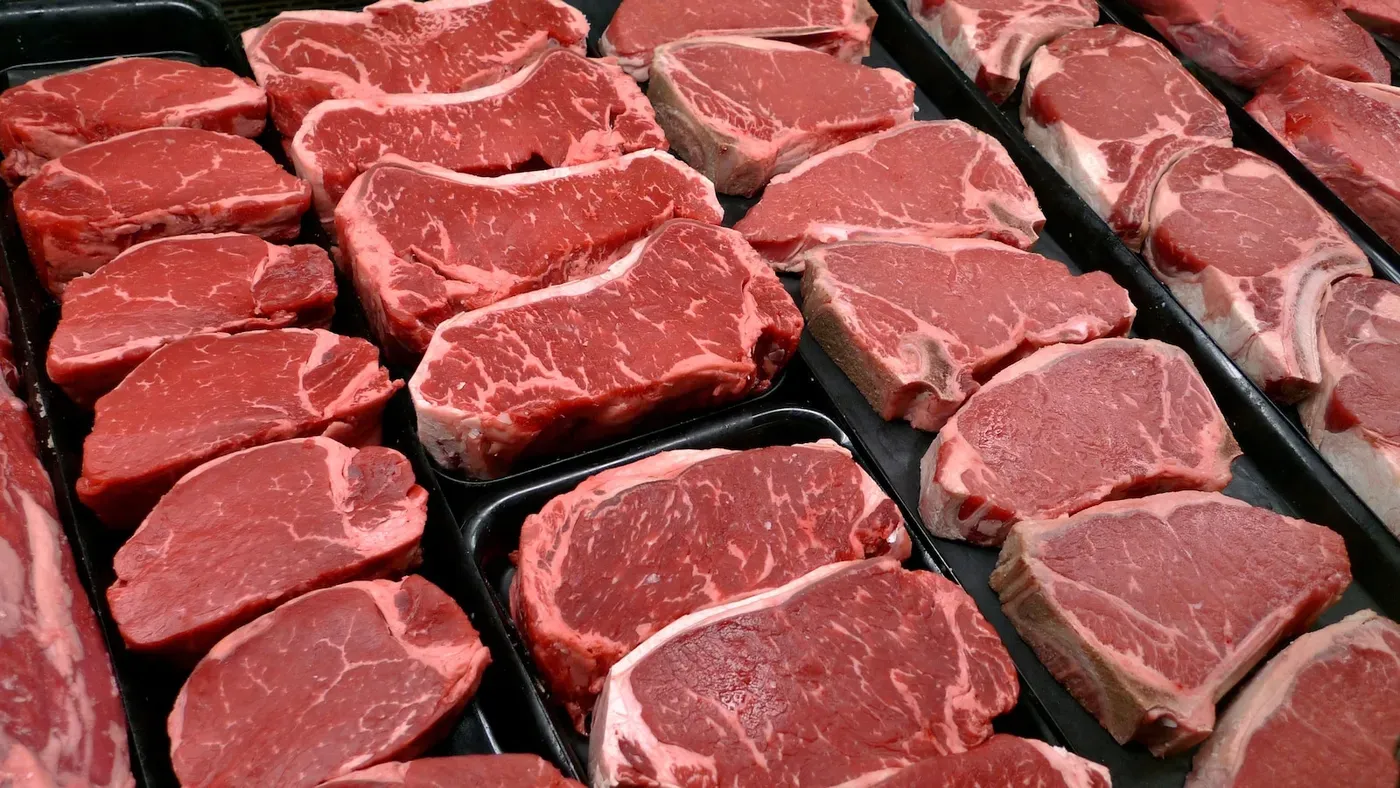
In recent midterm elections, an unexpected issue has emerged: meat prices and availability have become a contentious topic in some campaigns. The debate is playing out across various states, where candidates are being scrutinized for their stance on affordable beef. Democrats and Republicans are trading barbs over who best represents the interests of local cattle industries and consumers.
In Mississippi, Democratic Senate candidate Scott Colom has taken aim at Republican Sen. Cindy Hyde-Smith's views on meat prices. A video released by his campaign features a clip of Hyde-Smith suggesting that consumers have plenty of protein options to choose from if they're dissatisfied with beef prices. The video then cuts to a voter grilling burgers, who quips, "I'd rather pick another senator instead."
The Mississippi Senate race is an unusual case because it's the Democrat who's criticizing the Republican over meat prices. Elsewhere, Republicans have sought to portray Democrats as out of touch with voters on this issue. In some campaigns, they've even accused Democrats of being opposed to local cattle industries or even vegetarian.
In Texas, a past interview resurfaced in which Democratic Senate nominee James Talarico boasted that his campaign was going vegan. To counter these allegations, Talarico has been seen enjoying barbecue at public events, attempting to show that he's a true Texan and supports the state's beef industry.
In Colorado's 8th congressional district, the battle for voters' attention is being fought over more than just policy issues - it's also about food choices. Republican Rep. Gabe Evans' opponent, Manny Rutinel, has been targeted by his opponents for his stance on meat production and factory farming.
Rutinel's past activism against these practices has raised eyebrows among some voters in the district, which is home to a significant number of ranches, dairy farms, and meat processing facilities. His college days, during which he was photographed with a People for the Ethical Treatment of Animals banner, have also been highlighted by his opponents.
Rutinel's advocacy group, Climate Refarm, has been particularly vocal about reducing meat consumption and has supported measures to increase taxes on meat and dairy products. He has also backed initiatives aimed at curbing animal agriculture, including a failed ballot measure to ban a lamb slaughterhouse in Denver.
The issue of Rutinel's eating habits has become a central point of contention between him and his opponents. While he has publicly eaten steak tacos on the campaign trail, some have questioned whether his veganism is genuine or just a political stance.
Rutinel has dismissed these concerns, suggesting that voters are more interested in what's on their own plates than in scrutinizing his personal choices.
The debate over meat preferences has become a contentious issue in this year's midterm elections, with both parties using it as a wedge issue to sway voters.
Republicans have targeted several Democratic House candidates for their stance on meat, including Lindsay James in Iowa's 2nd district, who was criticized for supporting "meatless May in a 2020 Facebook post. The area is home to numerous hog farms, making the issue particularly relevant to local voters.
In another Iowa district, Amish Shah has faced scrutiny for his long-standing vegetarianism and animal rights activism, which some Republicans have used as evidence that he is out of touch with traditional values. Meanwhile, in Arizona's 1st district, Josh Turek's opponent, state lawmaker Ashley Hinson, attacked him for opposing a bill banning lab-grown meat from being sold in the state.
Hinson accused Turek of prioritizing meat from a lab" over family farms, highlighting the tensions between traditional agriculture and emerging technologies. Her comments reflect the broader debate over the role of government in regulating the meat industry.
The issue has also been tied to economic concerns, with Democrats pointing out that meat prices have increased under Trump's presidency. The Bureau of Labor Statistics reports that the average pound of ground beef cost $6.79 last month, up from $5.55 in January 2025.
Hyde-Smith's response to the high cost of ground beef was part of a larger debate about inflation and economic policies, which is a dominant theme in this year's midterm elections.
Colom's video clip shows him accusing Hyde-Smith of not doing enough to address the issue, but her campaign argues that Democrats are responsible for the rising prices due to their support for policies that drove up inflation.
Facts based on reporting originally published by ABC News Politics.
You may republish this story, in full or in part, if you credit News Central Site and link to it (licence CC BY 4.0). Photos are not included.