Democrats Focus on Corruption in Campaign Messaging
A recent national survey found that linking corruption to voters' concerns about housing, healthcare, and living costs increased Democratic support by 3 percentage points.
Democrats have intensified their focus on corruption in the final weeks of the campaign, highlighting its impact on everyday Americans' economic struggles.
Research suggests that linking corruption to voters' concerns about housing, healthcare, and living costs can significantly boost Democratic support, with a recent national survey indicating a 3 percentage point increase in voter backing for Democratic congressional candidates when they tied corruption to these issues.
The findings are part of a broader shift in Democrats' messaging on corruption, which has become a dominant theme on the campaign trail. This new approach is evident in the rhetoric of various Democratic candidates, including those running in key battleground states like Georgia and Texas.
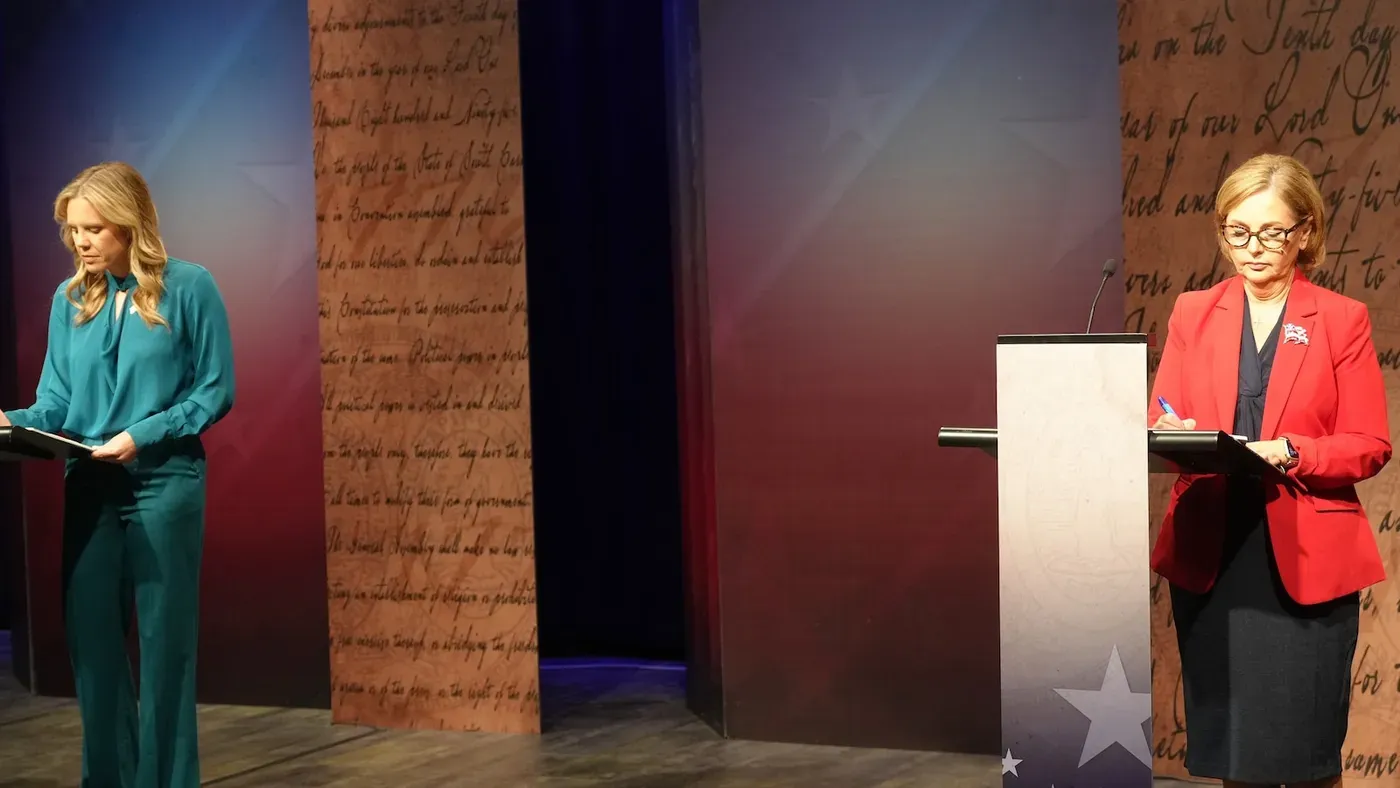
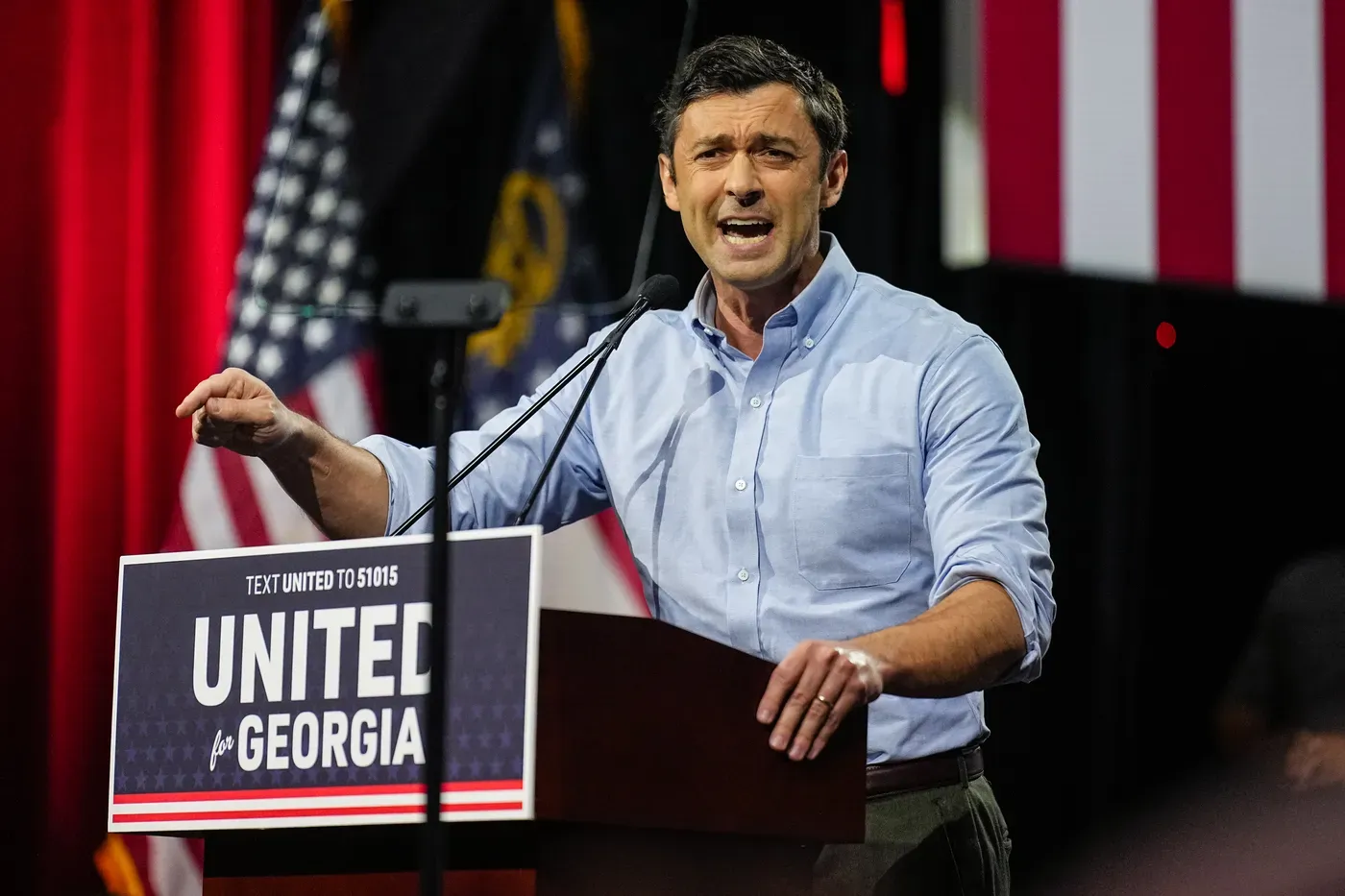
Senators Jon Ossoff and James Talarico have both made corruption a central issue in their campaigns, arguing that Washington's system is rigged to favor the wealthy at the expense of ordinary Americans. This message has resonated with voters, with Iowa Democratic state Rep. Josh Turek echoing it during his Senate debate against Rep. Ashley Hinson.
The emphasis on corruption as an economic issue is reflected in a recent presentation delivered by longtime Democratic strategist Jesse Ferguson to Democratic groups on Capitol Hill, where he outlined a clear playbook for tackling the topic: "Corruption is why your costs are high," according to a presentation viewed by POLITICO.
The emphasis on corruption as a core issue is being reframed by Democrats to focus on its economic implications, rather than solely targeting President Donald Trump.
This shift in messaging strategy is evident in recent campaign ads and spending data, which shows that Democratic candidates have spent roughly $104 million since April on advertising highlighting corruption, significantly outpacing their Republican counterparts at around $36 million.
To effectively convey this message, Democrats are being advised to lead with the acknowledgment of high costs and then tie them to instances of corruption, while avoiding making Trump the sole focus of their attacks. Instead, they should use him as an example of how corruption can drive up costs.
Longtime Democratic strategist Chris Meagher notes that a more effective approach is to link the rigged economy to a rigged political system, with anti-corruption messaging working best when tied to outsider candidates who are perceived as champions of change.
The Democratic Party is shifting its approach to corruption messaging, framing it as an economic issue rather than just a crime.
This new strategy has been seen in various campaigns, where Democrats are linking high costs and expenses to corrupt practices in government and politics.
Research from the group Blue Rose supports this approach, showing that voters respond well to messages emphasizing how corruption drives up their living expenses.
A recent survey by Navigator Research found that most Americans, including both Democrats and Republicans, believe that corruption is a major contributor to rising costs.
In some cases, Democrats have successfully co-opted language used by Trump, turning the term "rigged into a rallying cry for their own anti-corruption efforts.
Some Democrats have shifted their tone on corruption, moving from criticism of opponents' rhetoric to embracing it themselves as a way to attack what they see as an unfair system.
This change in approach is evident in the language used by Democratic candidates and officials, who are now accusing special interests of manipulating rules to favor wealthy donors and corporate interests.
Former Ohio Senator Sherrod Brown's campaign announcement message is one example of this shift, with Brown declaring that they're rigging the rules" to benefit their donors and special interests.
The issue of corruption has long been a concern for voters across party lines, with polling showing that both major parties believe the government is corrupt.
Republicans have responded by accusing Democrats of lacking credibility on the issue, with some arguing that the party's sudden focus on corruption is driven by election-year politics rather than genuine concern.
The Democrats' focus on corruption has become more nuanced in recent cycles, shifting from concerns over democratic norms to a pocketbook issue that resonates with voters. This change is evident in their messaging, which now connects corruption to affordability and economic pain points.
In Minnesota's Senate race, for example, Republicans are highlighting alleged corruption under Democratic rule as a key theme. The Walz-Flanagan administration has been criticized by some for failing to prevent widespread fraud of federally-funded government programs in the state.
As part of this shift, Democrats have begun framing anti-corruption efforts as a way to address voters' top concerns. This approach is being tested nationwide, with the midterms offering a key test case. The success of this strategy will depend on whether it can translate into votes for Democratic candidates.
The connection between corruption and economic issues has been made explicit in various campaigns across the country. For instance, Democrats have linked anti-corruption efforts to rising electric bills and local data center projects. By framing corruption as a pocketbook issue, Democrats hope to tap into voters' frustration with economic pain points.
As the midterms approach, Democratic operatives are increasingly seeing anti-corruption messaging as a long-term strategy rather than just a short-term political tool. If they win control next year, they plan to use this message as a foundation for addressing corruption and improving governance.
Democrats are making corruption messaging a key part of their election strategy, framing it as an economic issue that affects voters directly. By emphasizing the financial impact of corruption, they aim to keep the topic relevant ahead of the 2028 elections.
To achieve this, Democrats need to follow through on their promises and demonstrate tangible progress in addressing corruption, according to Pierce. If they fail to deliver, their messaging efforts may be seen as hollow, undermining the credibility of their campaign.
Facts based on reporting originally published by Politico.
You may republish this story, in full or in part, if you credit News Central Site and link to it (licence CC BY 4.0). Photos are not included.