Maximalism becomes dominant fashion trend this season
Luxury brands like The Row are incorporating bold, colorful pieces into their designs while maintaining elegance. Laird Borrelli-Persson, Venetia Rothwell
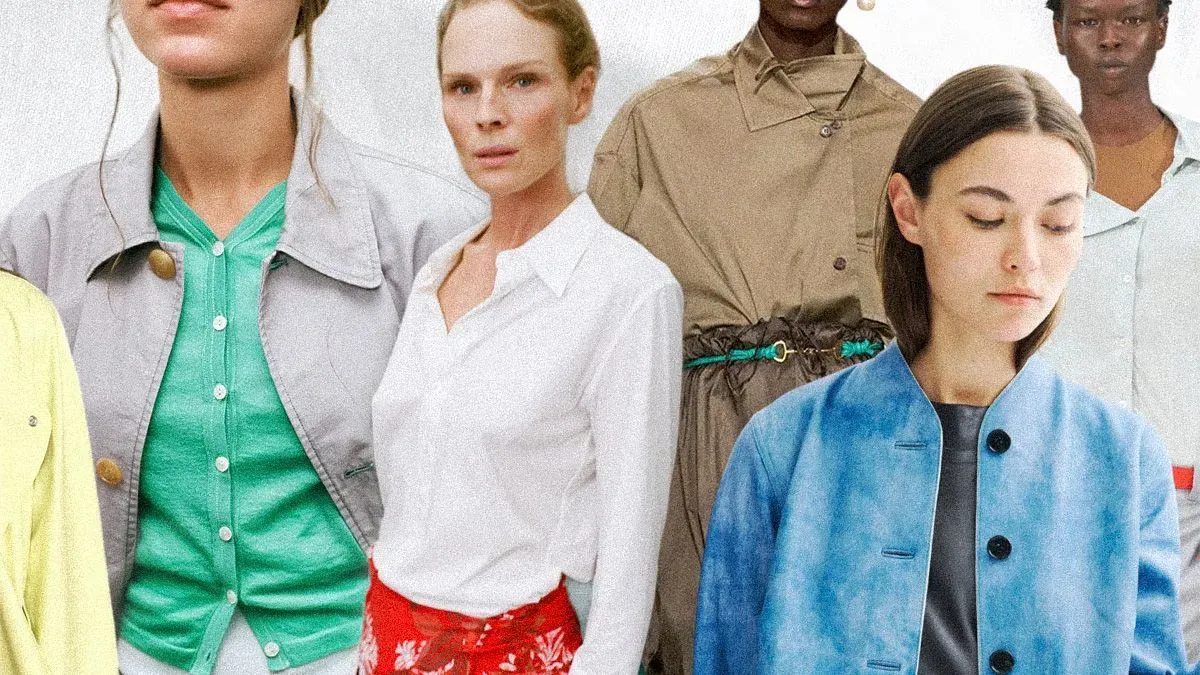
This season's fashion collections have marked a significant shift towards maximalism, a departure from the minimalist trend that dominated the past five years. Luxury brands such as The Row are now incorporating bold, colorful pieces into their designs, while still maintaining a touch of understated elegance.
However, designers are not simply embracing excess for its own sake; rather, they are striking a balance between individuality and wearability. Almost every collection showcased this season featured looks that were deconstructable and easily paired with other pieces to create new outfits. This approach is a response to the growing fatigue among consumers who feel overwhelmed by prescriptive micro-trends and the formulaic nature of modern dressing.
As Laird Borrelli-Persson, Vogue Runway's trend editor, noted in her SS27 report, "offness - or the rejection of algorithm-driven sameness - is a major draw for fashion enthusiasts. By incorporating off-kilter pieces into their designs, brands are catering to consumers who crave self-expression and individuality.
The emphasis on wearability and buildable styling has also been driven by commercial considerations. Brands are acutely aware that they must appeal to a broad range of customers in order to stay competitive. Venetia Rothwell, senior retail analyst at EDITED, notes that this approach is commercially savvy, as it allows brands to sell a wide range of pieces that can be mixed and matched.
The trend towards maximalism also reflects a desire for authenticity in fashion. Consumers are seeking out clothing that tells a story or conveys personality, rather than simply following the latest trends. By incorporating eclectic elements into their designs, brands are tapping into this demand for individuality.
As designers continue to experiment with new styles and silhouettes, it's clear that the fashion industry is undergoing a significant shift towards maximalism. With its emphasis on wearability, self-expression, and individuality, this trend has the potential to revolutionize the way we approach dressing.
Designers have been striking a balance between commercial appeal and creative nuance in their latest collections, catering to a broader clientele than before.
Margiela's SS27 collection, for instance, has been praised by buyers for its ability to walk the line between fashion and accessibility, with Glenn Martens acknowledging the need to expand the brand's reach beyond its traditional audience.
This shift towards inclusivity is reflected in the emphasis on accessories, with many brands incorporating belts, scarves, and other styling elements into their designs. This move not only adds variety but also provides entry-level options for shoppers who want to dip their toes into the world of maximalism without breaking the bank.
The 6397 team has been particularly successful in striking this balance, with Julie Kegels crediting her approach to product mix development to her own personal style and the women around her. By creating collections that are both wearable and creative, designers can build a loyal customer base and devise product strategies that layer across seasons.
Designers like Michael Rider of Celine and Julian Klausner of Dries Van Noten have mastered this approach, while independent brands such as TWP, Julie Kegels, and 6397 are also adopting similar strategies. Achieving the perfect balance between fashion and accessibility is no easy feat, especially in a market where customers are increasingly cash-strapped.
As a result, hitting the sweet spot can make or break sales for designers who fail to adapt to changing consumer needs. With many brands now prioritizing layerable, buildable pieces that cater to a broader audience, it will be interesting to see how this trend continues to evolve in the coming seasons.
The trend towards buildable pieces is gaining momentum in 2026, with collections now incorporating accessories and layers that can be mixed and matched to create a wide range of outfits.
Retailers are catering to this desire for imperfection and artfully undone styling by stocking up on items like layered tops, which saw a significant increase in sales last season. The arrival of these types of pieces rose by 244% year-on-year in early spring/summer 2026.
Some brands have been embracing the buildable approach from the start. New York-based label All Three has taken this approach since its inception, with founder and designer Tal Waksal describing it as a Lego system that allows customers to pick and choose individual pieces to create their own unique looks.
Waksal's approach is not just about creating versatile clothing, but also reflects the way people shop today. Typically, consumers are no longer buying entire outfits, but rather individual pieces that can be mixed with existing items in their wardrobe.
This shift towards buildable fashion has also been observed in the way celebrities style 6397's designs. The label's founder Stella Ishii notes that even when wearing full looks, these individuals have put their own spin on it, injecting their personal attitude and style into the outfit.
Accessories are another key area where customers can experiment with the buildable trend without breaking the bank. Even if you're not buying a full look, accessories offer a way to add personality to an outfit at a lower price point than a top or pant.
The trend towards maximalism in fashion has led to a surge in demand for accessories that can add personality to outfits without breaking the bank.
Belts have become a logical next step for customers looking to complete their looks, with brands like All Three and TWP's Trish Wescoat Pound reporting strong sales of these finishing pieces.
Pound notes that belts offer both edge and refinement, making them an attractive option for customers who want to add a touch of sophistication to their outfits.
All Three's Waksal agrees, describing belts as the third piece that can elevate an outfit from basic to bold.
Kegels, meanwhile, sees accessories like belts as a way to play with coordination and stretch materials further, often choosing to create sets that include shoes, bags, and belts in matching colors.
This approach to accessorizing is reminiscent of the '90s and early aughts magazine tips and tricks pages, where fashion editors would share ideas for mixing and matching pieces to create new looks.
The rise of accessories like scarves has paved the way for more innovative uses, such as the scarf skirt trend that emerged in summer 2025 and has since evolved into actual scarf skirts.
The trend towards maximalism has led to mass-market brands incorporating elements of the oval buckle trend into their fall 2026 collections, with prices increasing by up to 95% above the standard belt price point.
This shift away from ultra-minimalist designs is a reflection of changing consumer tastes and the need for designers to be more creative in expressing minimalism. With the ease of mimicking minimalist aesthetics by mall brands, mass-market companies are seeking ways to differentiate themselves through added features or details.
Designers are responding to this challenge by giving pared-back looks individuality through the use of tactile fabrics and pops of color. This approach is evident in collections that blend minimalism with more expressive elements, creating a unique balance between simplicity and flair.
The Row's recent collection exemplifies this trend, incorporating more craft and textural elements into its designs. While still rooted in the brand's signature minimalist aesthetic, the new pieces are more humanized and wearable, reflecting a shift towards a more nuanced approach to minimalism.
TWP's Wescoat Pound has also observed a growing importance of maximalist elements in her line, with a focus on technical and colorful fabrics that add a sense of edge" to designs. However, this emphasis on maximalism does not come at the expense of the brand's minimalist roots.
As designers continue to experiment with the boundaries of minimalism, the result is a more expressive and dynamic aesthetic that blends simplicity with creativity and flair. This evolution in design philosophy reflects changing consumer tastes and the need for brands to innovate and differentiate themselves in a crowded market.
The design philosophy at 6397 is centered on creating pieces that are both emotionally resonant and adaptable for everyday wear.
Ishii and her partner Lizzie Owens aim to create clothes that trigger an emotional response in their customers while also being relatable and practical for working women like themselves.
This approach prioritizes essentialness, ensuring that the brand's offerings meet the needs of consumers who are increasingly cautious with their spending.
Facts based on reporting originally published by Vogue.
You may republish this story, in full or in part, if you credit News Central Site and link to it (licence CC BY 4.0). Photos are not included.