Male Bumblebees Contribute to Nest Care
A new study has found that male bumblebees play an active role in nest care, increasing egg-laying and brood production.
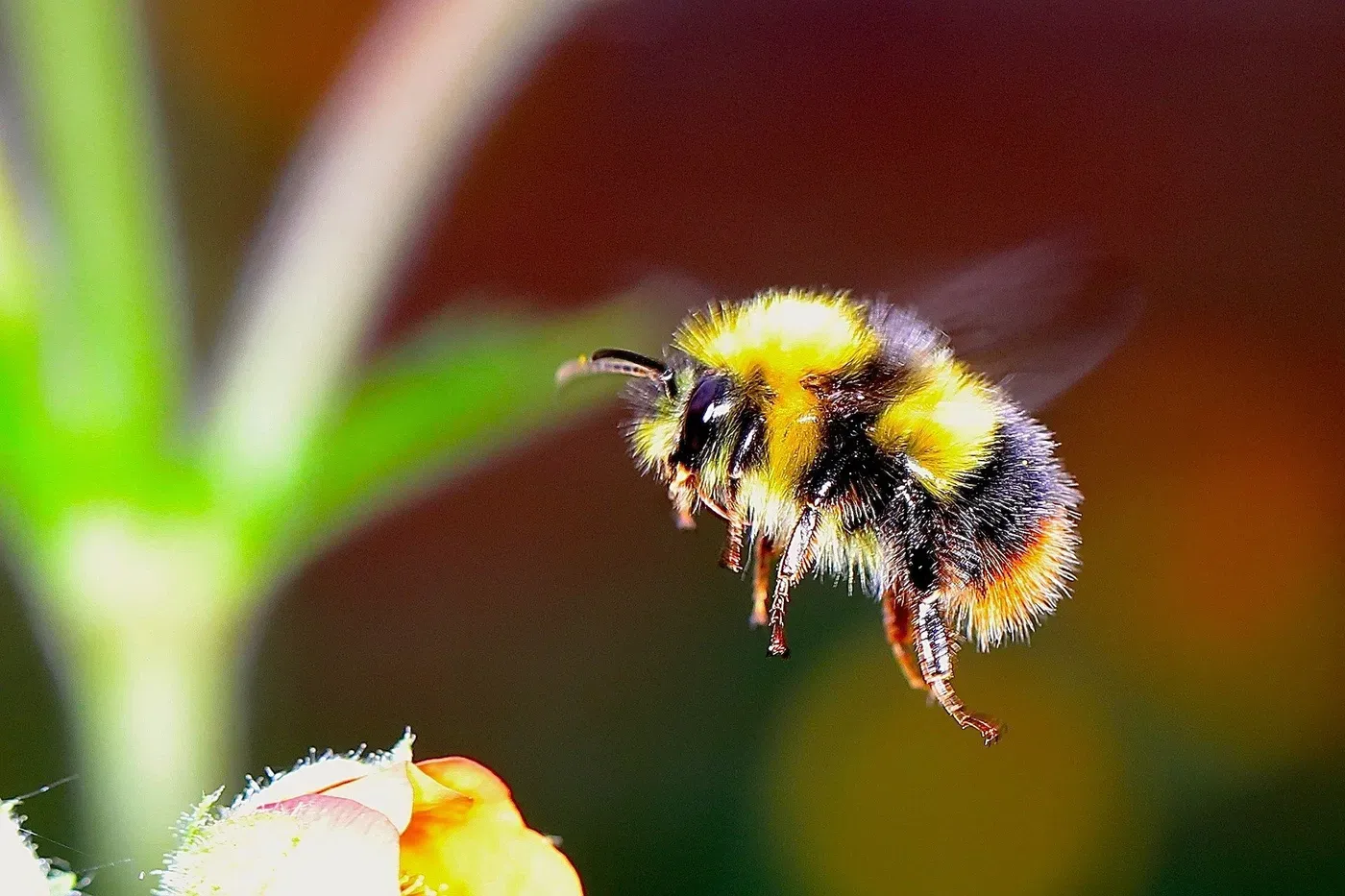
A new study has turned a long-held assumption on its head: male bumblebees do not just contribute DNA to the hive, but also play an active role in nest care. In fact, their presence can have a significant impact on the health and productivity of the colony.
According to researchers, the inclusion of males in the nest leads to a marked increase in egg-laying by the queen. Specifically, queens with males in their nests begin laying eggs at twice the rate as those without males, resulting in up to 1.5 times more brood overall. This is a crucial finding given the declining numbers of bumblebees worldwide.
The conventional wisdom has been that male bumblebees are primarily concerned with mating, leaving the day-to-day operations of the hive to female workers. However, this new study challenges that notion by highlighting the important contributions made by males in the nest.
A 1980s study by Sydney Cameron and her team also suggested that male bumblebees might be more involved than previously thought, but their findings were largely overlooked until now.
A researcher's curiosity led her to stumble upon an unexpected phenomenon while conducting a separate experiment involving thermal cameras. These cameras create heat maps, which revealed something surprising - bright white spots indicating heat were coming from males in the nest.
The presence of these heat-emitting males was attributed to their adoption of an "incubation posture, where they hovered over eggs and larvae, straddling them with their thorax. This area is responsible for generating body heat due to muscle activity that also powers wing movement.
According to Moore, this observation came as a surprise. The prevailing view in scientific literature portrayed males as mere flying bags of sperm" whose sole purpose was mating with queens. However, her research, along with some earlier findings, challenged this notion.
To further investigate the initial discovery, researchers set up several laboratory nests containing mated queens and varying numbers of males - from none to five. The absence of female workers in these nests allowed the team to isolate the role of males in nest care.
In the artificial nests created for this experiment, male bumblebees were found to be generating heat by elevating their thorax temperatures when they assumed a posture associated with brood care.
The researchers observed that males adopting this posture had significantly higher thorax temperatures than usual, averaging around 34.8 degrees Celsius, indicating active incubation of the brood.
This finding is notable because it suggests that male bumblebees are capable of contributing to nest care in ways previously thought to be exclusive to females.
Moore noted a key difference between the behavior of males and queens: the males generated heat at lower temperatures than their female counterparts, which may be an adaptation to preserve sperm viability.
This observation raises questions about the mechanisms underlying male bumblebee behavior and its potential implications for our understanding of social insect biology.
The discovery of male bumblebees contributing to nest care has significant implications for our understanding of their behavior and social biology.
Researchers are planning further studies to investigate how nurturing behaviors might affect the physical condition of males, particularly in terms of energy expenditure.
Woodard noted that there is no cost-free benefit, suggesting that caring for siblings comes at a price for male bumblebees.
The findings challenge the prevailing view that male bumblebees only play a role in mating and do not contribute to nest care.
Facts based on reporting originally published by Phys.org.
You may republish this story, in full or in part, if you credit News Central Site and link to it (licence CC BY 4.0). Photos are not included.