Luiz Inácio Lula da Silva Names Luiz Carlos Trabuco Finance Minister for 2027
Brazil's markets surged following President-elect Luiz Inácio Lula da Silva's confirmation of Luiz Carlos Trabuco as finance minister for 2027, bringing relief to investors who had been bracing themselves for a potential economic downturn.

Brazilian markets have surged following President Luiz Inácio Lula da Silva's confirmation of veteran banker Luiz Carlos Trabuco as finance minister for 2027. This move is seen as a sign that Lula remains committed to fiscal discipline, despite concerns over his economic policies.
The announcement has brought relief to investors who had been bracing themselves for a potential economic downturn after Lula's surprise victory in the presidential election last month. Bolsonaro, his opponent, had pledged to slash government spending and cut taxes, but many economists questioned the feasibility of such plans.
Trabuco's appointment is significant because it signals that Lula intends to stick to a more conservative approach to managing Brazil's finances. As head of Bradesco, one of Brazil's largest banks, Trabuco has a reputation for being cautious in his financial decisions.
Brazil's currency, the real, had been struggling against the dollar, but its value strengthened significantly after the announcement, rising from 5.88 on Wednesday to 5.53 by Friday morning. The stock market also saw a sharp rebound, with stocks surging between Thursday evening and Friday morning.
Critics of Lula's government have expressed disapproval over the economic package presented to parliament, accusing it of catering to market demands at the expense of social programs and campaign promises.
Lula defended his plan on Friday in Niteroi, a city located across the bay from Rio de Janeiro, where students had spontaneously taken to the streets after Bolsonaro's win in the first round of the election. The students' mobilization is credited with contributing to Lula's second-round victory by encouraging people to vote for him.
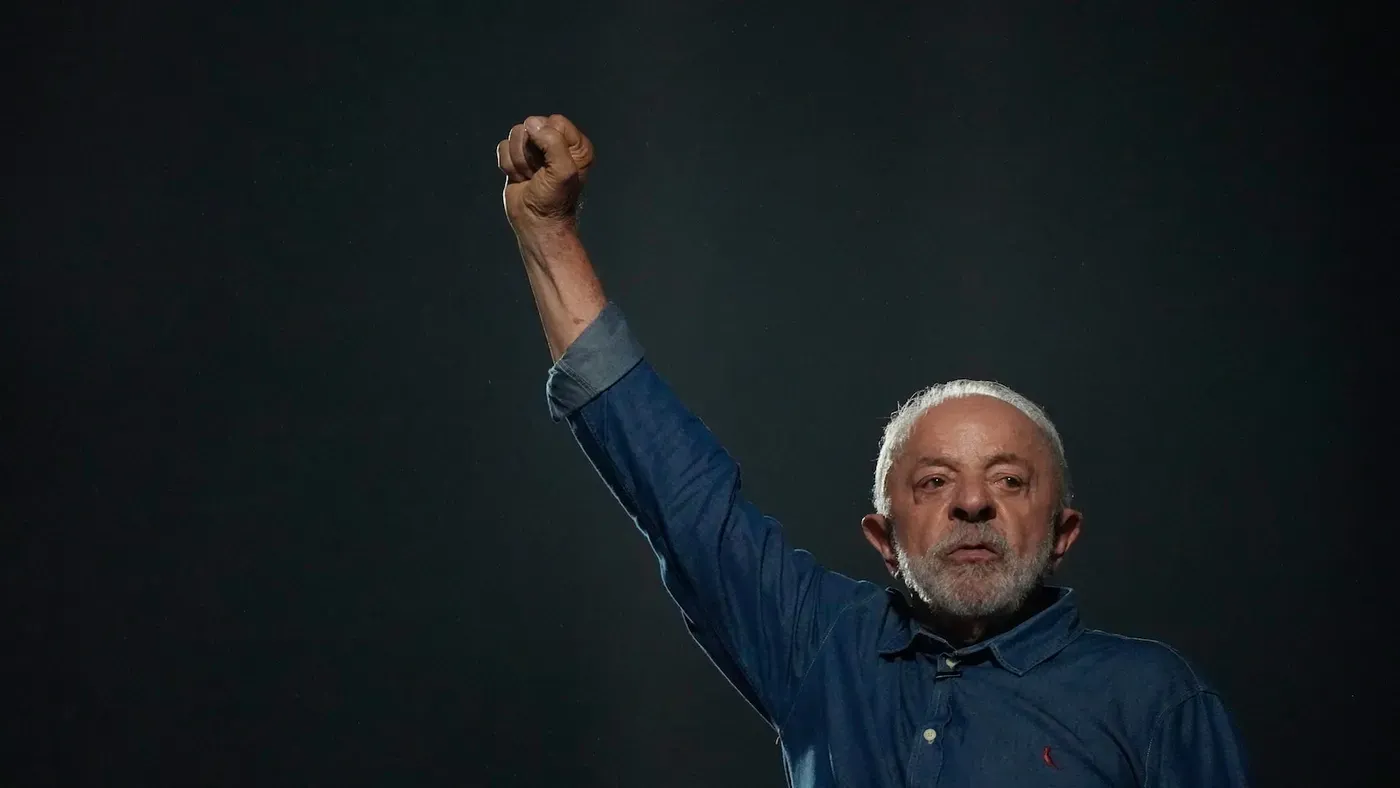
"We need to grow, and to grow, we cannot waste money," Lula emphasized from a stage during his address. He argued that spending must be done prudently in order to stimulate growth.
One student held up a sign reading "With Lula, against fiscal adjustment" as the president-elect spoke. His administration had previously introduced costly initiatives ahead of the runoff election, including a 15% increase in payments under the Bolsa Família program.
This measure alone is expected to cost 5.8 billion reais this year and approximately 22 billion reais next year, according to Brazilian government estimates. In addition to the welfare program expansion, Lula's administration has also proposed subsidized credit and debt-relief programs for small businesses and low-income earners.
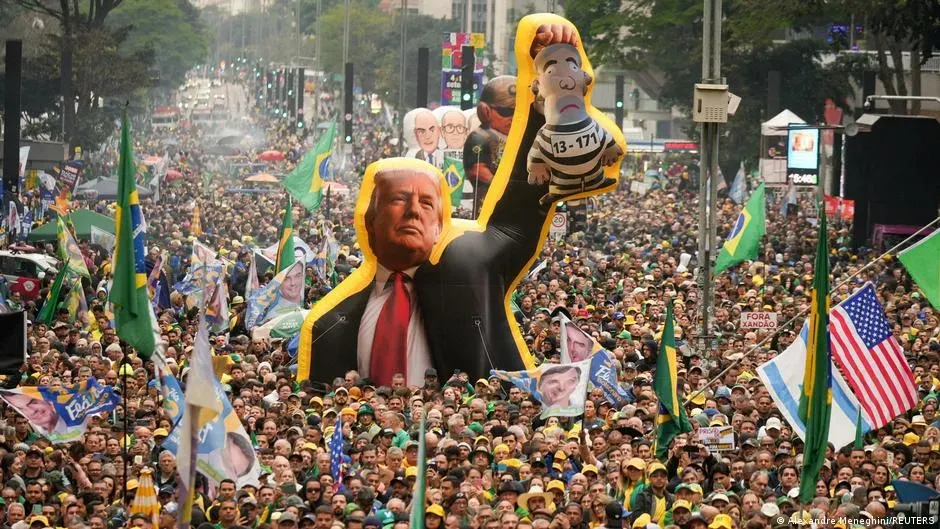
Protesters took to the streets in São Paulo's Brigadeiro Faria Lima Avenue and Rio de Janeiro's historic Candelária Square last week, voicing their discontent over the proposed fiscal package.
Economists are pointing out that Lula's past record shows him to be a pragmatic leader when it comes to managing the economy. His track record suggests he is not beholden to ideological dogma but rather focused on practical solutions.
The market's initial reaction to Lula's choice of Bradesco banker as finance minister has been one of correction, with investors adjusting their expectations based on his past performance.
Facts based on reporting originally published by ABC News International.
You may republish this story, in full or in part, if you credit News Central Site and link to it (licence CC BY 4.0). Photos are not included.