Kentucky's NCAA Tournament Hopes Jeopardized by Early Season Struggles
The Wildcats' 0-2 record against high-major opponents and predictive metrics hovering around average numbers have raised concerns about their chances of making a deep run in the NCAA Tournament.

Kentucky's early season woes have left them on the outside looking in at the projected 76-team NCAA Tournament field. The Wildcats' 0-2 record against high-major opponents and predictive metrics that are barely hovering around average numbers have raised concerns about their chances of making a deep run.
The latest Bracketology update takes into account the results from last Thursday's holiday slate, which saw several top teams in action. Kentucky still has an opportunity to get back on track with a win over Wichita State this Friday night at Rupp Arena, but the road ahead is uncertain for third-year coach Mark Pope and his team.
Kentucky faced similar struggles early last season, yet managed to reach the NCAA Tournament despite a 5-4 start that included a blowout loss to Gonzaga. However, the Wildcats' current ranking of 64th at KenPom is a cause for concern, especially considering their historically strong program.
The Wildcats are not alone in their struggles, with several other power conference teams also struggling to find their footing. The Big Ten, in particular, has been underwhelming so far this season, and it's likely that the number of teams from these conferences making the tournament will be lower than usual.
The college basketball landscape is undergoing significant changes as we enter the final stretch of November. Kentucky's performance has been underwhelming, putting their NCAA Tournament hopes in jeopardy. The Wildcats will need to elevate their game if they want to make a deep run come March.
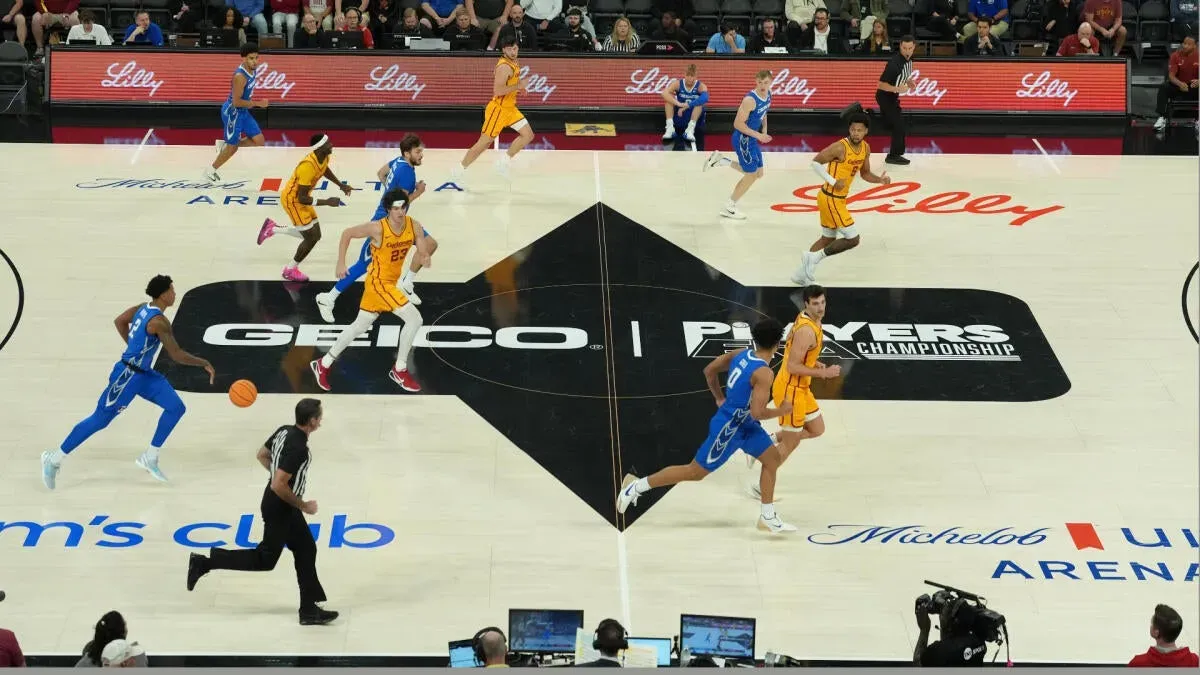
The Big Ten Conference is also feeling the heat, with several teams on the outside looking in. Michigan's 3-4 start has been particularly disappointing, especially after a lackluster performance at the Players Era 16 tournament in Las Vegas. Purdue's struggles have also led to their removal from the projected field, where they had previously been included.
The Boilermakers' inability to defeat a high-major opponent is a major concern, with their loss to Valparaiso on November 6 being particularly damaging to their resume. This setback, combined with losses to DePaul and Oklahoma this week, has left Purdue on the outside looking in.
Meanwhile, the Big East Conference is capitalizing on the Big Ten's struggles, boasting seven teams in the projected field. Four of these teams are set for Opening Round matchups, which could lead to some exciting competition come March.
The NCAA has introduced some flexibility in its rules regarding rematches, allowing for nonconference matchups in certain situations. This change is part of the conference consolidation and tournament expansion efforts.
With the new guidelines, conferences with more than nine teams in the field can have their nonconference rematch restrictions relaxed. Similarly, if multiple teams from a league are among the final 12 at-large teams competing in the Opening Round, those rules can also be eased.
The NCAA's decision to relax these rules aims to create a balanced bracket that minimizes long-distance travel for participating teams. This should result in more manageable scheduling for teams and potentially reduce fatigue during the tournament.
In light of this change, concerns about potential nonconference matchups have been alleviated. One specific example is the possibility of Florida meeting West Virginia, which no longer raises alarm due to the new NCAA guidance.
The committee's flexibility will allow it to create a bracket that balances competing interests and minimizes travel for teams. This should lead to more manageable schedules for participants in the tournament.
The introduction of rematches in the NCAA Tournament has led to some unexpected matchups, particularly between conference rivals who may not have faced each other previously. This flexibility allows teams that played only once before the tournament to potentially meet again as early as the second round.
Rematches are permitted even earlier for conferences with nine or more teams participating in the bracket.
Facts based on reporting originally published by CBS Sports.
You may republish this story, in full or in part, if you credit News Central Site and link to it (licence CC BY 4.0). Photos are not included.