Linda Fargo's Journey to Becoming a Fashion Icon
Linda Fargo rose through the ranks in the fashion industry after starting her career as a display artist at Macy's, where she worked with designers like Matsuda and Kansai Yamamoto.
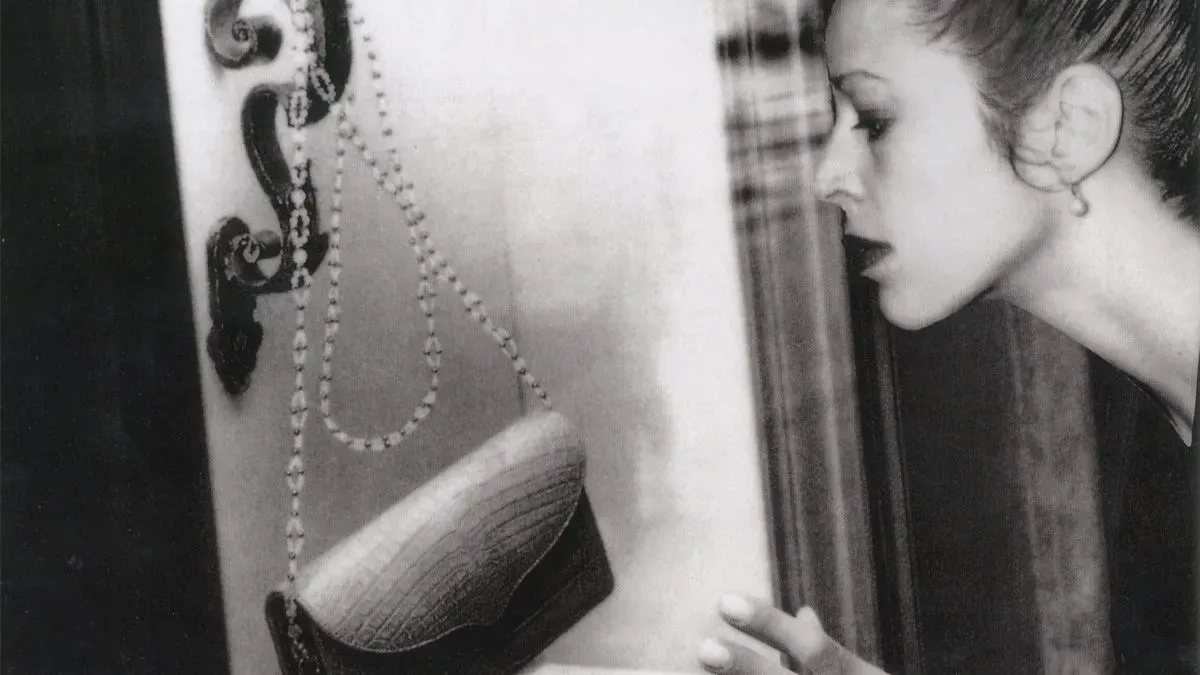
Linda Fargo's journey to becoming one of the most influential figures in fashion began far from the catwalks of New York City. Growing up in Wisconsin, she dreamed of leaving the Midwest and making her mark on the art world.
A self-taught artist with a passion for found objects and assemblage, Fargo's creative vision was shaped by her love of repurposing and reimagining discarded materials. Her skills in manipulating disparate elements to create something new and cohesive were a testament to her innovative spirit.
Despite her artistic inclinations, Fargo struggled to make a name for herself as a fine artist. The art world was highly competitive, and she found it challenging to stand out from the crowd. In search of a more practical outlet for her creativity, Fargo began exploring other career paths that would allow her to utilize her skills in a different context.
Fargo's entry into the fashion industry was unexpected, but it was also an opportunity for growth and development. She landed her first job at Macy's in the display department, where she quickly learned the ins and outs of creating visually stunning window displays.
The art school graduate brought her unique perspective to the role, using her skills in assemblage to create intricate and captivating displays that drew customers into the store. Her passion for fashion was sparked by working with high-end designers like Matsuda and Kansai Yamamoto, who were featured prominently at Macy's during this period.
As Fargo settled into her new role, she quickly rose through the ranks, becoming production manager for the window director within a few years. By 1984, she had taken on the position of window director herself, overseeing the creation of iconic displays that showcased the latest designer collections.
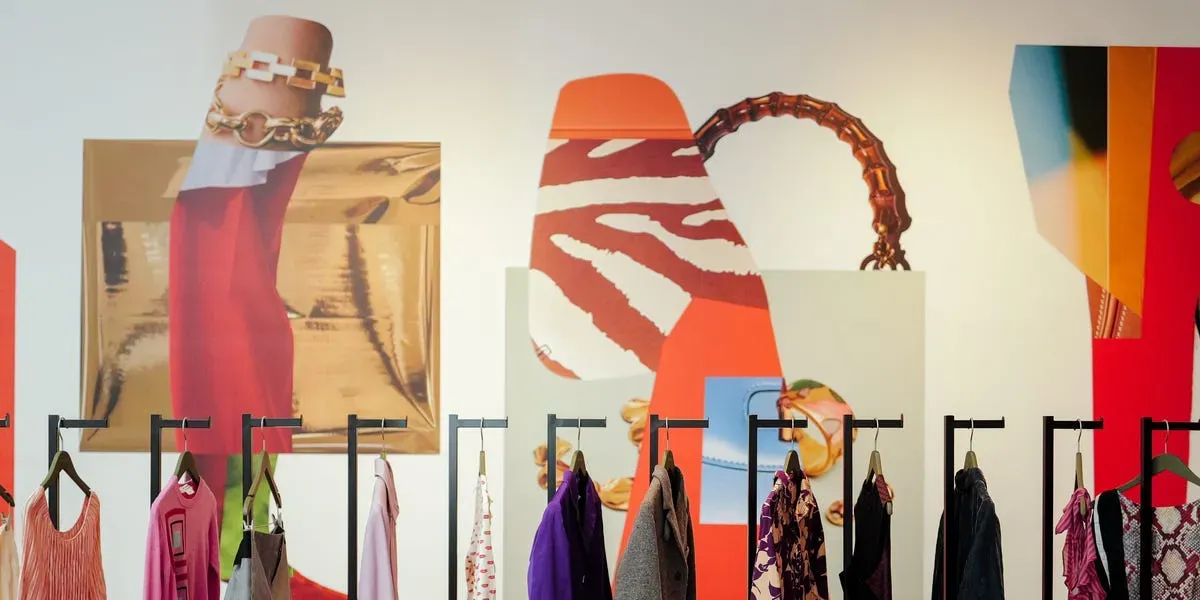
Designing thousands of windows over her lifetime has been a defining aspect of Linda Fargo's career. Each one has its own story and she could talk about them endlessly. The process involves creating an immersive experience that transports customers into a fantasy world, often using clever ideas to showcase designer collections.
One notable example was the Perry Ellis window where mannequins were transformed into falconers with birds perched on their arms. This creative concept showcased the brand's ability to push boundaries and think outside the box. The attention to detail in such displays is what sets Linda Fargo apart from other professionals in her field.
Working on a project for the American Ballet Theater required her to venture out of the city, visiting a Brooklyn warehouse that stored costumes and props. Upon entering the vast space, she was struck by the sheer number of tutus stacked like pancakes. It was clear that only the most prominent ballerinas received the new, pristine ones.
In another instance, Linda Fargo had an idea for an American Ballet Theater window that involved using a smoke machine to make mannequins appear as if they were floating. To execute this vision, she and her team secured the help of a local vendor on Canal Street who lent them the equipment. However, things quickly took an unexpected turn.
As they set up inside the window, closing the door behind them to prevent the smoke from escaping, the machine suddenly malfunctioned. The team found themselves trapped inside, writing "HELP on the glass and pounding on the doors as the smoke filled the space.
The associate finally arrived through the fine jewelry department entrance, opening the door for the team's safe escape. However, their ordeal was far from over, as the smoke continued to seep into the store through cracks in the window. The incident led them to abandon that particular display, but they ultimately decided to proceed with the rest of the windows despite the chaos caused by the malfunctioning machine.
As my career in fashion progressed, I found myself at the helm of creating visually stunning displays that captivated customers' attention. My team would often joke that I was the mastermind behind our store's window displays, likening me to a Hollywood director.
I took pride in pushing the boundaries and experimenting with new ideas, always striving for perfection. The pace of work was frenetic, but it was exhilarating to see an idea come to life within a matter of days. It was this fast-paced environment that helped me develop my skills as a project manager, learning how to delegate tasks and meet tight deadlines.
One of the most valuable lessons I learned during this period was the importance of adaptability. When unexpected setbacks occurred, such as the malfunctioning machine that caused chaos in our window display area, we had to think on our feet and adjust our plans accordingly.
The experience taught me to be flexible and not take things too seriously, even when faced with adversity. It also instilled in me a sense of responsibility, knowing that my team was counting on me to deliver results.
After leaving Macy's at the age of 30, I landed a coveted role as VP of visual for another iconic department store. The opportunity came with its own set of challenges, but it also offered a chance to apply the skills and knowledge I had acquired during my time at Macy's.
The company was known for its high-end merchandise and exceptional customer service, making it an exciting place to work. However, this experience would soon come to an end due to unforeseen circumstances that would change the course of my career once again.
The company I was working for at the time had an enormous retail presence, with 850 stores across the globe. This experience taught me a valuable lesson about my own career aspirations: I don't thrive in environments that prioritize scale above all else.
I recall having a great deal of respect for The Gap, but what I ultimately sought was a more intimate connection to the people and products involved in the fashion industry. As I navigated various roles over the years, I began to realize that sometimes it's just as important to learn what you don't want from your career as it is to discover what you do want.
This realization led to a period of introspection for me, which can be described as an existential crisis. In an effort to shake things up and take control of my own destiny, I decided to cold call Bergdorf Goodman in New York City. I compiled a portfolio of ideas and sent it through the mail, not knowing what to expect.
To my surprise, I received a response from the company's president at the time, Dawn Mello, inviting me for an interview. This led to a new opportunity for me: being hired as the visual director at Bergdorf Goodman in 1996 was a pivotal moment in my career.
Upon joining the team, I was struck by the fact that the store had become somewhat stagnant, it was a sleeping beauty" in need of revitalization. I saw an abundance of potential, and my first priority was to revamp the window displays. As the visual director, I knew that these would be the first impression that customers would have of our brand.
As I began working on those initial window displays during my first summer at Bergdorf Goodman, I found myself captivated by the beauty of the store's exterior. The way the street lamps lit up along Fifth Avenue in the evening was truly magical, and it made me feel grateful to be a part of such an iconic brand.
The window displays at Bergdorf Goodman were always a key part of the shopping experience, and as a young creative director, I had the opportunity to play a significant role in shaping their design.
One of my early projects involved creating a circus-themed display that featured an array of different characters, each showcasing a unique aspect of fashion. This approach allowed us to showcase multiple brands and designers at once, which has since become a hallmark of Bergdorf's window displays.
Today, the store still uses this multi-brand approach for most of its windows, reserving single-brand takeovers for major events like designer launches. For example, when Matthieu Blazy unveiled his New York collection for Chanel, the entire Fifth Avenue storefront was transformed into a cohesive brand experience.
As a creative director, I loved pushing the boundaries of what was possible in our window displays. One particularly memorable project involved creating the illusion of a subway running through the windows, complete with miniature trains and tracks.
When Jim Gold offered me the women's fashion office in 2006, it was a turning point in my career. As president, he had taken note of my skills as a creative director and saw potential for me to excel in an editorial role.
As I transitioned from window displays to fashion editing, I began to appreciate the importance of discovering new designers and emerging talent. With over 5,000 fashion shows under my belt, I've developed a keen eye for spotting hidden gems, and it's a skill that has served me well in my current role.
As a senior executive at Bergdorf Goodman, I've had to adapt my approach to stay ahead in the ever-evolving fashion industry.
In today's sophisticated and large-scale business, the stakes are higher than ever before, and it can be daunting for young designers to navigate these treacherous waters.
However, as someone with over 5,000 fashion shows under their belt, I've developed a keen eye for spotting hidden gems, and it's this skill that has served me well in my current role.
I believe the industry needs to prioritize the creativity of its designers, supporting them every step of the way, while also being discerning about what we choose to showcase.
This delicate balance is crucial in an era where there are countless options for consumers, making our curated approach all the more valuable.
Facts based on reporting originally published by Vogue.
You may republish this story, in full or in part, if you credit News Central Site and link to it (licence CC BY 4.0). Photos are not included.