Federico Garcia Lorca's Play La Bola Negra Adapted into Film
The critically-acclaimed film La Bola Negra is based on an unfinished play by Federico Garcia Lorca that was written in 1936.
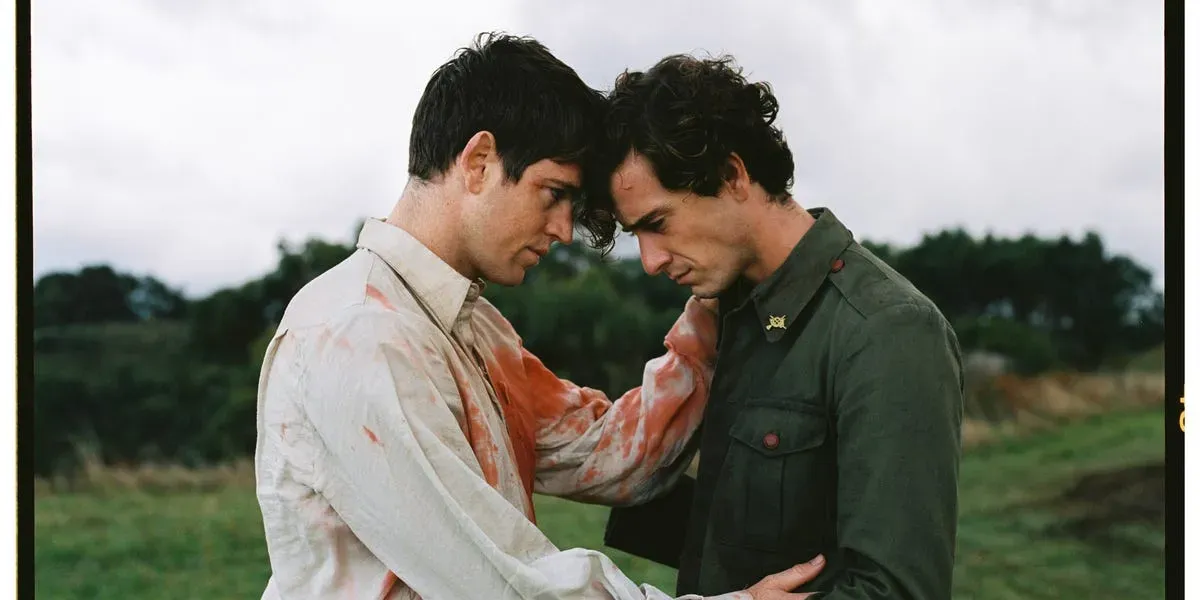
La Bola Negra, a critically-acclaimed film released this year, has its roots in an unfinished play penned by Spanish poet and playwright Federico Garcia Lorca in 1936. The play shares its name with the movie, which translates to "the black ball" in English. This unusual origin story is not uncommon for works created by LGBTQ+ artists from over a century ago.
Some of these pioneering creatives faced significant challenges getting their work published or recognized during their lifetimes. James Baldwin's novel Giovanni's Room, for example, was almost destroyed when his agent advised him to burn the manuscript. Emily Dickinson's romantic poetry, which some critics believe was dedicated to her sister-in-law Susan Gilbert Dickinson, remained undiscovered until after her passing.
Federico Garcia Lorca's play La Bola Negra is a rare exception in that it has been adapted into a film. The movie has garnered significant critical acclaim this year, making its historical origins all the more remarkable.
As the story unfolds, the focus shifts to a wealthy young man's attempt to gain entry into an exclusive casino in Granada, a pivotal moment that sets the stage for the narrative's exploration of social hierarchy and acceptance.
The members of this elite group use a voting system to decide who gains admittance, with a white ball signifying approval and a black ball indicating rejection. This decision-making process serves as a microcosm for the societal pressures and expectations faced by the characters in Lorca's play.
Meanwhile, Javier Calvo and Javier Ambrossi bring their unique vision to the story, reimagining Lorca's incomplete work as a testament to the enduring power of art and creativity. By interweaving three distinct time periods, 1932, 1937, and 2017, the directors craft a rich tapestry that celebrates the lives of gay men across a century, all connected by their shared passion for Lorca's writing.
The film's co-directors sought to fill a significant gap in queer representation by creating a story that connects their community across generations.
To do so, they delved into archives and old letters to piece together the narrative, using their imagination to envision how Lorca might have ended his writing.
Their efforts paid off, resulting in a film that not only honors Lorca's work but also explores the complexities of being part of a marginalized community.
The directors' approach was akin to detective work, as they scoured through historical documents to uncover the threads that bind their community together.
Facts based on reporting originally published by Harper's Bazaar.
You may republish this story, in full or in part, if you credit News Central Site and link to it (licence CC BY 4.0). Photos are not included.