Riots Break Out Across Germany Amid Protests Over Living Costs
Thousands of protesters took to the streets across Germany over the weekend, with demonstrations turning violent in some areas.
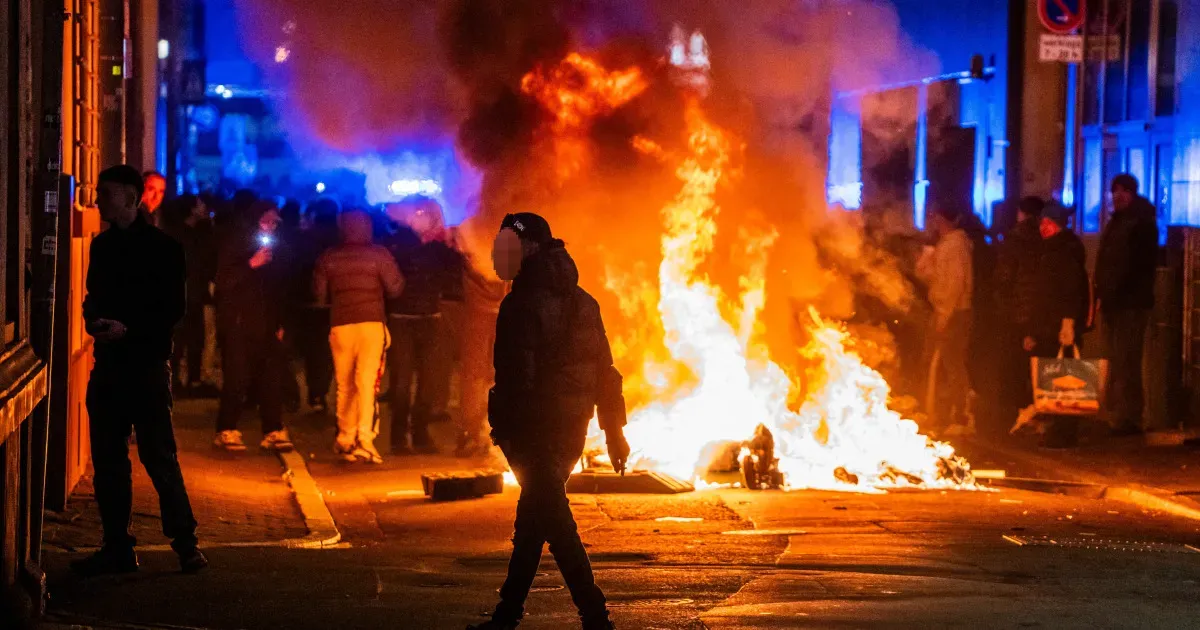
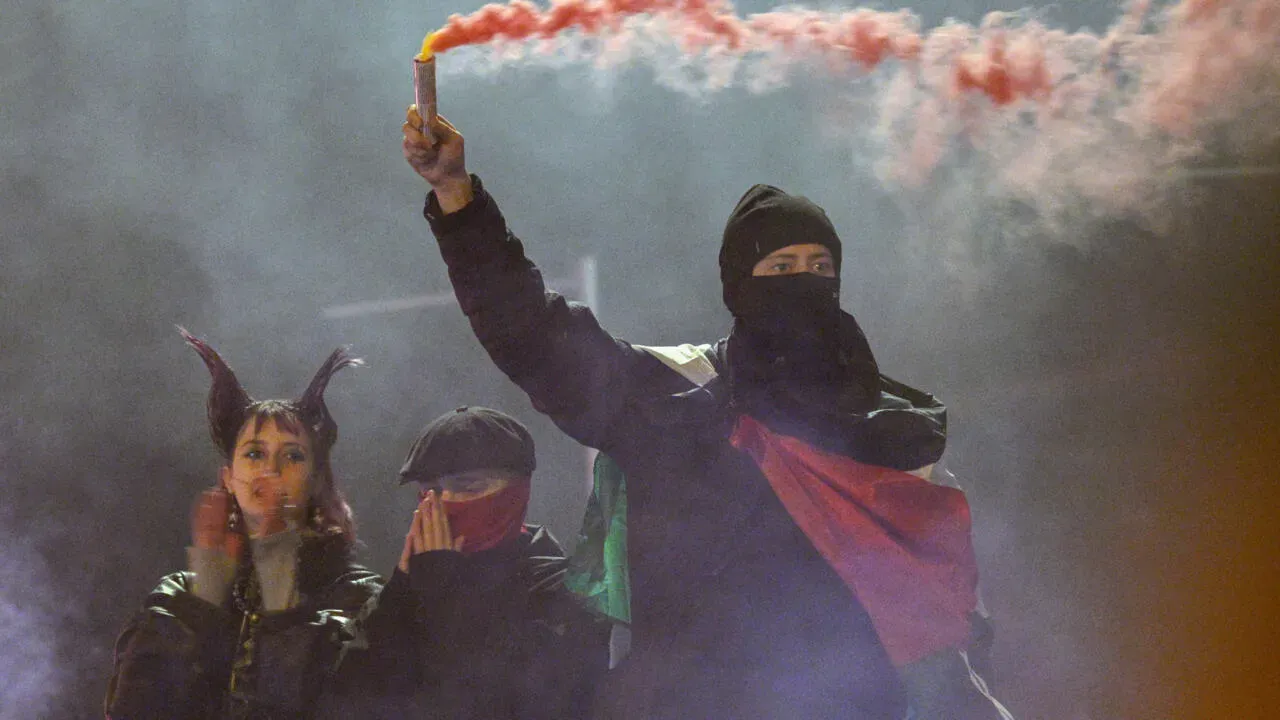
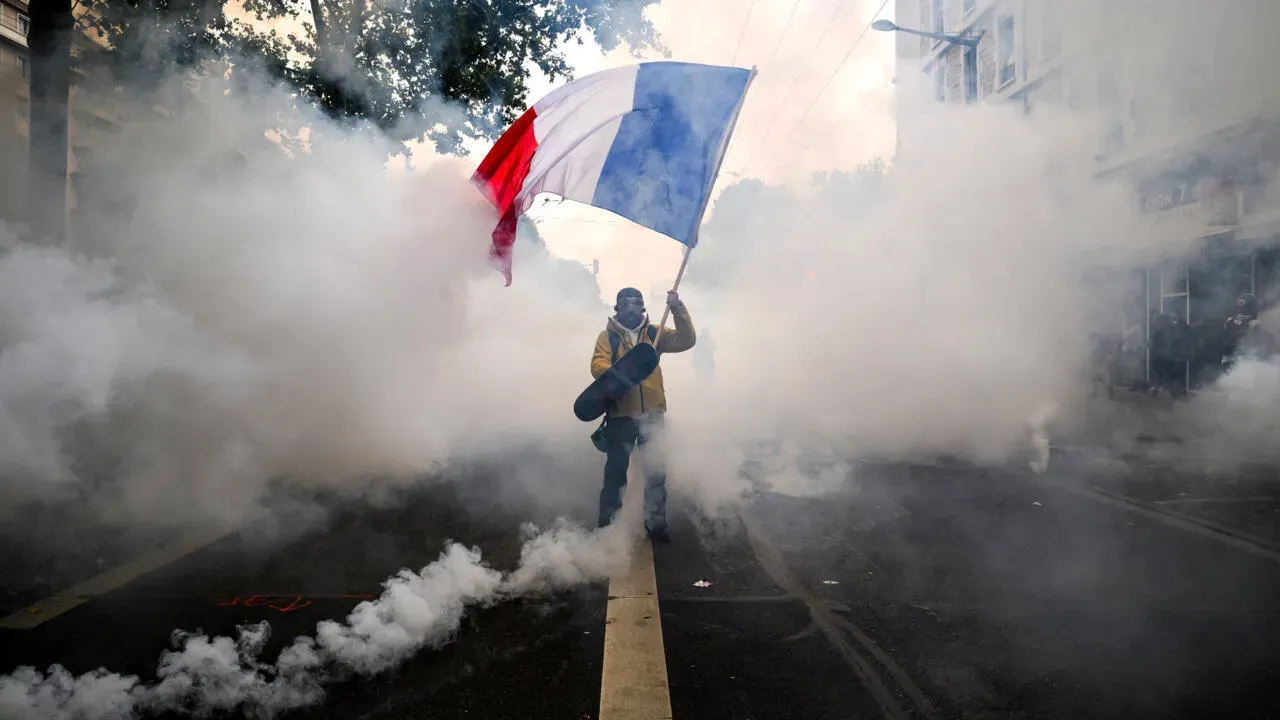
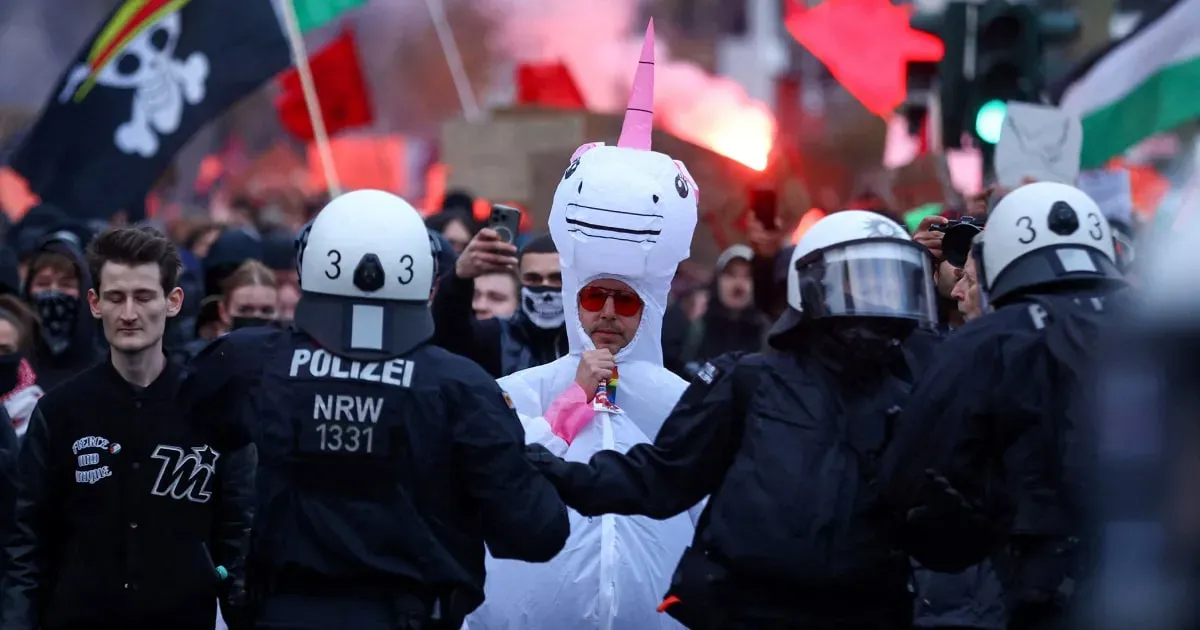
Riots have broken out in several cities across Germany as thousands of protesters took to the streets over the weekend. The demonstrations, which were organized by Gen Z Regelt (Gen Z Takes Charge), a campaign group demanding lower living costs and better education, turned violent in some areas.
Protesters clashed with authorities in multiple cities, including Berlin and Frankfurt, where the financial hub's city center was hit with smashed windows at several shops. In Hamburg, emergency services were targeted by Molotov cocktails, while firefighters had to extinguish fires set to barricades.
Several businesses had taken precautions ahead of time by boarding up their windows and doors in anticipation of the protests.
Protesters gathered in Berlin on Saturday to demand better living conditions, despite official numbers suggesting turnout was lower than expected.
Organizers had initially anticipated around 182,000 participants, but estimates put the actual number at a significantly lower figure by Saturday afternoon.
The demonstrations were part of a broader wave of protests taking place across Europe, with countries such as France, Italy, Serbia, and Spain experiencing widespread unrest over rising living costs and other issues.
As protests escalated into violence in some areas, concerns grew about the potential for similar scenes to unfold in Germany.
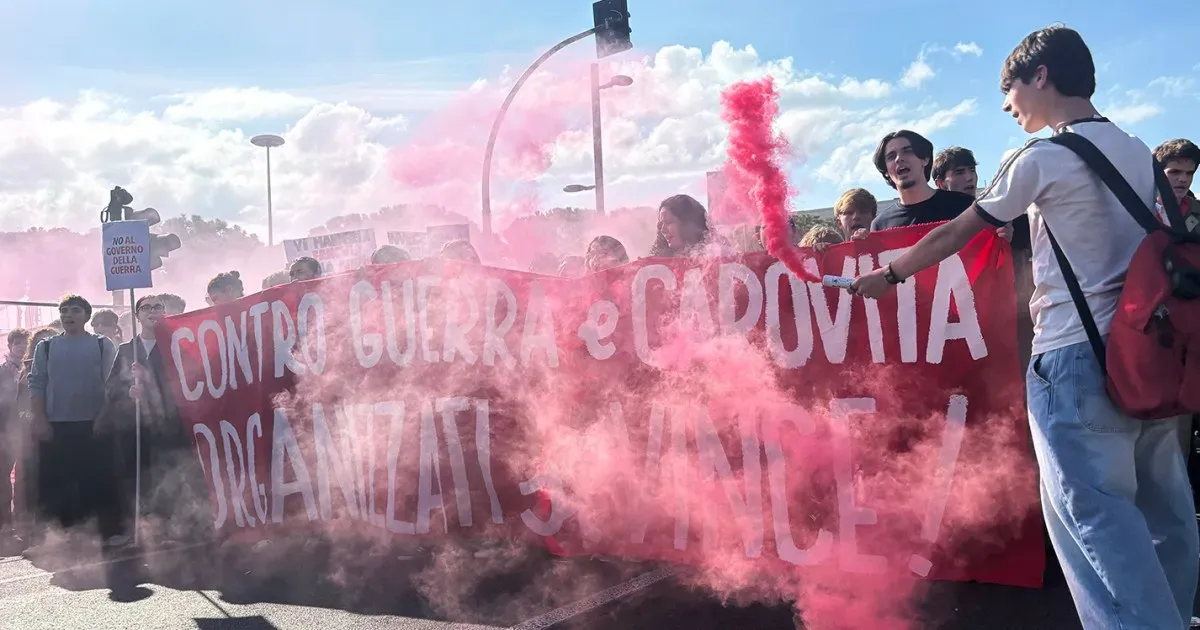
Tens of thousands of people took to the streets in Rome on Friday as protests against living costs and military service continued across Italy. The demonstrations were largely peaceful, but clashes between protesters and police did occur, with eyewitnesses reporting that police used a water cannon to disperse crowds.
In Milan, masked groups had earlier this month looted stores and thrown projectiles at police, prompting Prime Minister Giorgia Meloni's government to deploy 500 army troops alongside the police until the end of the year. The move aimed to restore order in the fashion capital and other affected areas.
As protests escalated into violence in some areas, concerns grew about the potential for similar scenes to unfold in Germany, where student-led activism had already shown its strength in toppling a long-time leader through democratic means in neighboring Serbia. This development added weight to the widespread discontent among young people across Europe.
Police in Portugal early Sunday forcibly cleared a tent camp set up by activists protesting high housing costs in Lisbon, dispersing hundreds of protesters who had been shielding the encampment with shields and some baton charges.
The recent wave of protests across Europe has sparked comparisons among observers, but experts caution against drawing direct parallels between the various movements. Politics lecturer Andrew Barclay at the University of Sheffield emphasizes that each protest has its unique characteristics and should be evaluated on its own terms.
Barclay draws a distinction between the French protests, which have seen hundreds of thousands take to the streets over several weeks primarily focused on education funding, and those in Germany and France, where Gen Z activists are pushing for changes in living costs and military service. He notes that large protests do not necessarily translate into widespread support across the country, and these movements may not lead to a change in governance as they did in Serbia.
Facts based on reporting originally published by NBC News World.
You may republish this story, in full or in part, if you credit News Central Site and link to it (licence CC BY 4.0). Photos are not included.