iPhone Users Can Optimize Mobile Data Consumption with Simple Settings Changes
Mobile users can reduce their data usage by enabling features such as Low Data Mode and adjusting settings for individual apps.
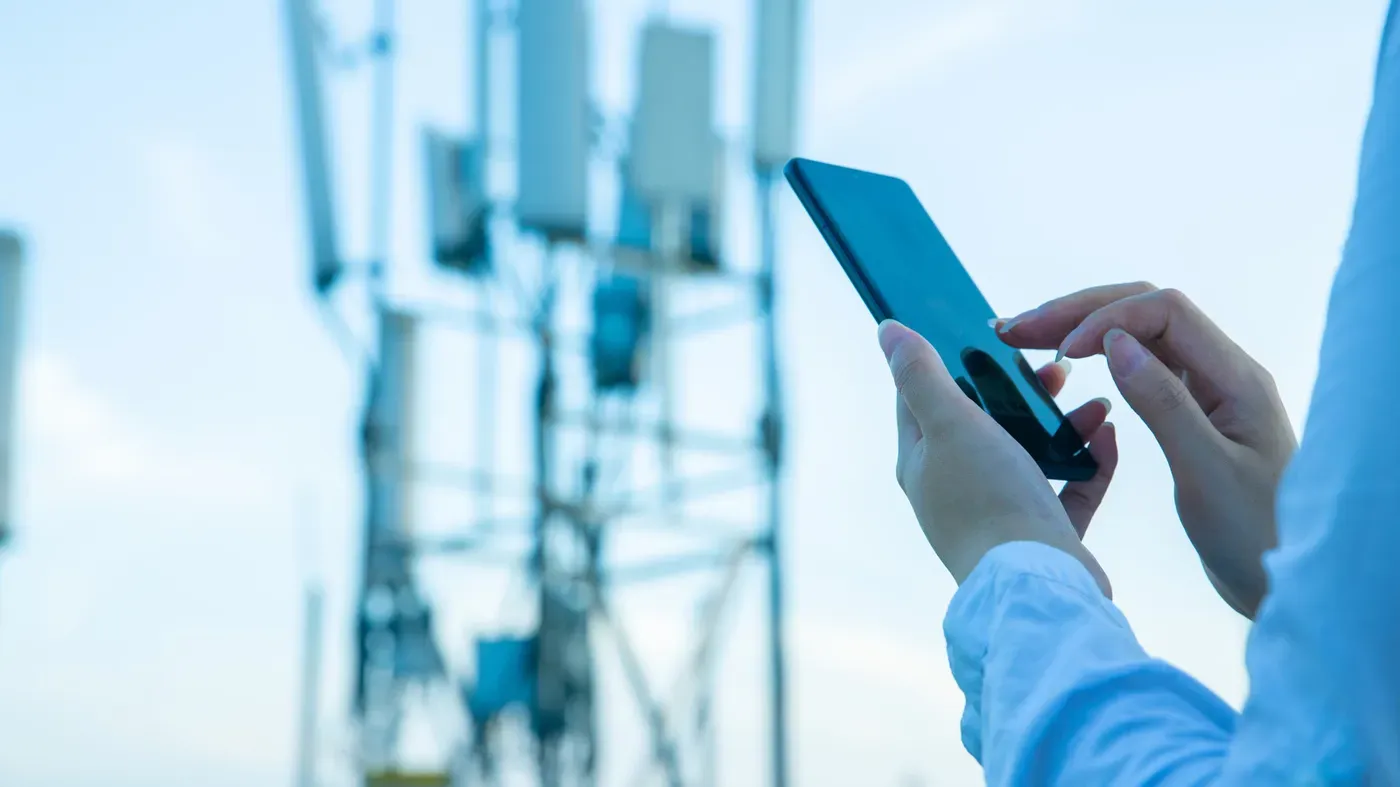
Mobile users are increasingly aware of their data consumption, especially when traveling abroad or on limited plans.
One of the simplest ways to reduce mobile data usage is by enabling a feature that optimizes data consumption across all iPhone activities.
To access this setting, go to Settings and select Cellular, then choose the SIM card you want to adjust - whether it's your primary or secondary eSIM.
In the Cellular settings for your chosen SIM, tap Data Mode to change its current configuration.
By default, Data Mode is set to Standard, which is suitable for most users but can be adjusted to Low Data Mode when data usage needs to be reduced.
Turning off Background App Refresh can be an effective way to reduce mobile data usage without completely disabling it. To do this, navigate to Settings > General and locate the Background App Refresh section. From there, you can toggle off the feature for individual apps or switch the master option to Wi-Fi only.
For a more targeted approach, head to Settings > Cellular and scroll down to the Cellular Data section. Tap Show All to view a list of data amounts used by each app in the Current Period. This information can help identify which apps are consuming the most data and allow you to disable their mobile data usage entirely.
The settings menu within individual apps is also worth exploring, particularly for those that have been identified as high data users. For example, video-centric apps like YouTube and social media platforms often offer options to disable autoplay and lower default quality settings.
Many streaming services, including Apple Music, provide separate quality toggles for Wi-Fi and mobile data use. This can help optimize data usage when accessing these services on the go. Additionally, some podcast apps allow users to disable downloads over cellular data.
Some popular apps also feature built-in data-saving options, such as Instagram's Data Saver toggle or Spotify's similar feature. These settings often apply multiple tweaks at once, including lowering video quality and disabling background refresh, to minimize mobile data consumption.
When optimizing mobile data usage on your iPhone, consider downloading media content when you have ample storage space available. Offline maps for navigation, movies, music playlists, and podcasts are ideal candidates for download. These files often come with expiration dates or data limits, so it's essential to check them regularly to ensure they're ready for use when needed.
A lesser-known setting in the iPhone settings menu can inadvertently consume mobile data without your knowledge. To access this feature, navigate to Settings > Wi-Fi and scroll down to find Connectivity Assist. With this enabled, your iPhone will utilize both mobile data and Wi-Fi when the latter is deemed weak or busy.
This setting automatically switches between mobile data and Wi-Fi networks to ensure a smoother experience on slow connections. It also helps reduce the time spent switching between network types. The feature's usage can be tracked in the Cellular menu, which displays how much data has been consumed since the last reset count.
When roaming abroad or using Low Data Mode, Connectivity Assist is disabled by default. If you don't want to use this setting on a specific Wi-Fi network, tap the 'i' button next to the network and disable the Connectivity Assist slider in its options.
When browsing through iOS settings, there are a few more controls worth examining beyond reducing cellular data usage and managing app downloads.
In Settings > Apps > App Store, turning off Automatic Downloads under Cellular Data can help prevent significant data consumption. This setting ensures that new apps don't automatically download while you're on the go, potentially eating into your mobile data allowance.
Additionally, within the same settings menu, it's a good idea to set the App Downloads option to Always Ask or Ask If Over 200 MB. This way, you'll be prompted before downloading a large app, giving you more control over your data usage and helping you avoid unintentionally consuming excessive amounts of mobile data while away from Wi-Fi.
Another aspect to consider is iCloud backup settings. Head to Settings > [Your name] > iCloud > iCloud Backup and turn off Back Up Over Cellular. This will prevent automatic backups from occurring when you're on cellular, ensuring that your device only backs up over a Wi-Fi connection.
Mobile carriers with extensive hotspots can be leveraged for additional data savings. Xfinity internet subscribers, for instance, have access to "xfinitywifi" networks across the country. These networks often utilize company-provided equipment to broadcast separate connections for customers.
When evaluating mobile plans and network options, it's worth considering whether consolidating data plans could lead to cost savings. This might involve purchasing a dedicated hotspot or opting for an unlimited data plan with a single user, then using that device as a hotspot for others in the household.
To minimize mobile data usage on your iPhone, it's essential to be mindful of the most data-intensive activities while connected to cellular networks. Video streaming is particularly notorious for its appetite for data, and opting for lower video resolutions can significantly reduce consumption.
Audio-only calls are another way to cut back on data usage, allowing you to stay in touch with others without draining your data allowance. By adopting these simple habits, iPhone users can better manage their mobile data usage and avoid surprise charges at the end of each billing cycle.
Facts based on reporting originally published by Engadget.
You may republish this story, in full or in part, if you credit News Central Site and link to it (licence CC BY 4.0). Photos are not included.