iPhone Duo Introduced by Apple with Dual-Screen Setup and Nanotexture Finish
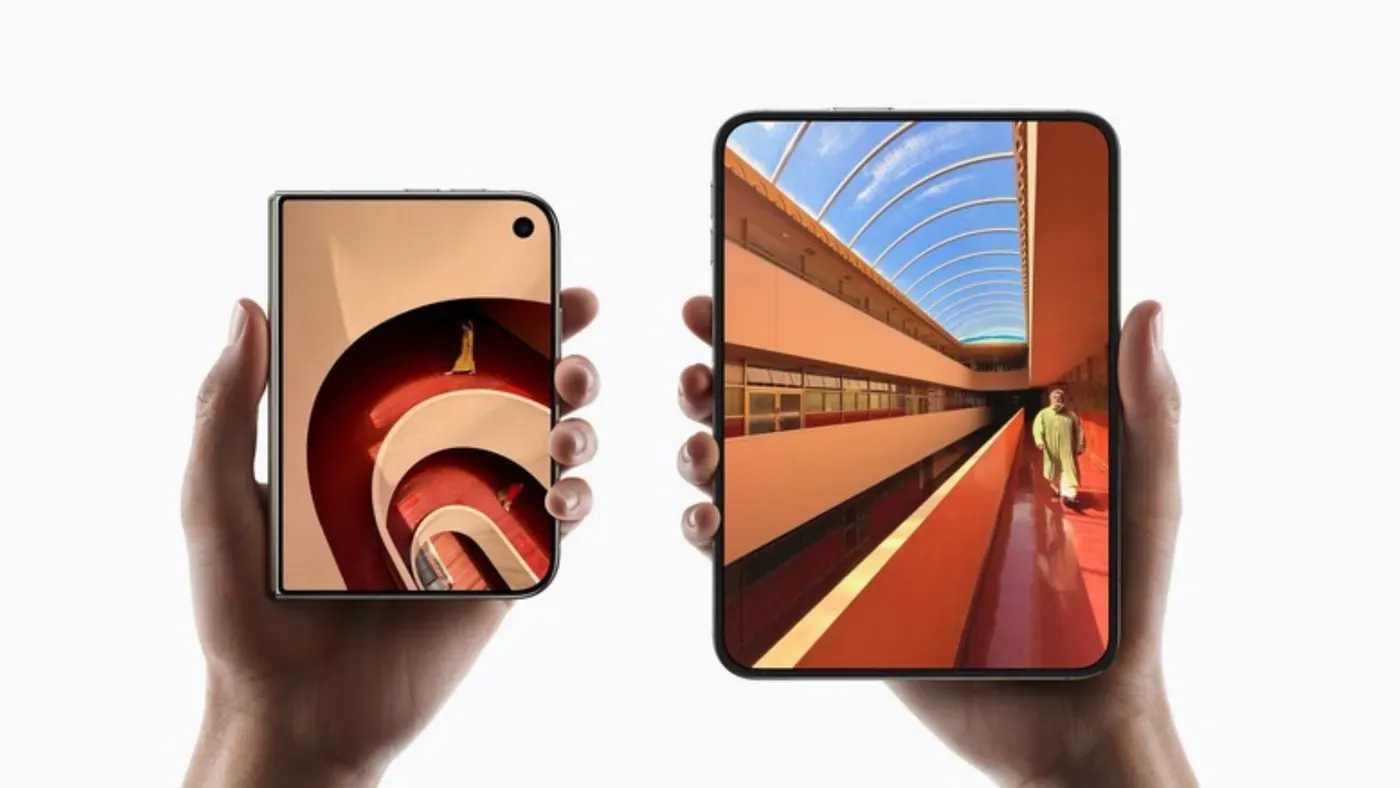
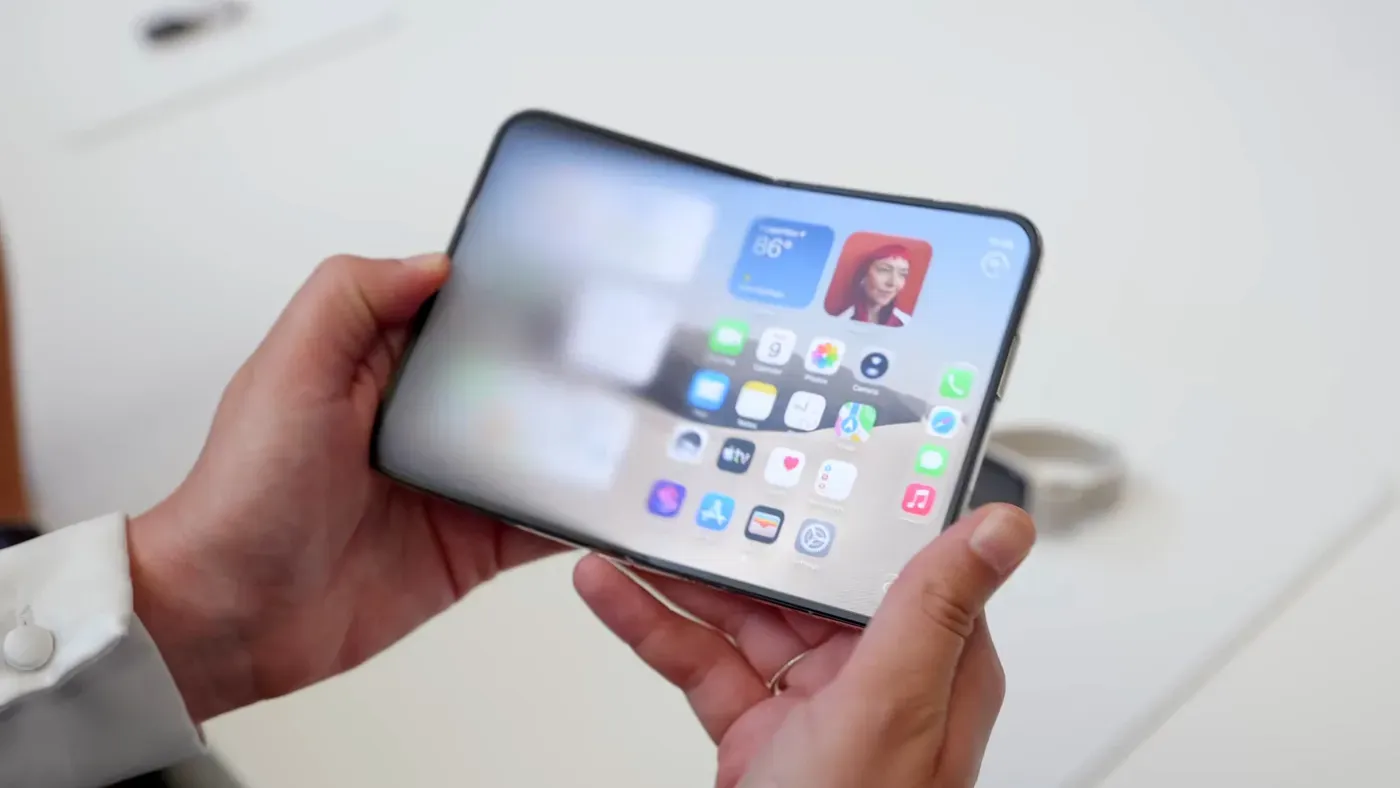
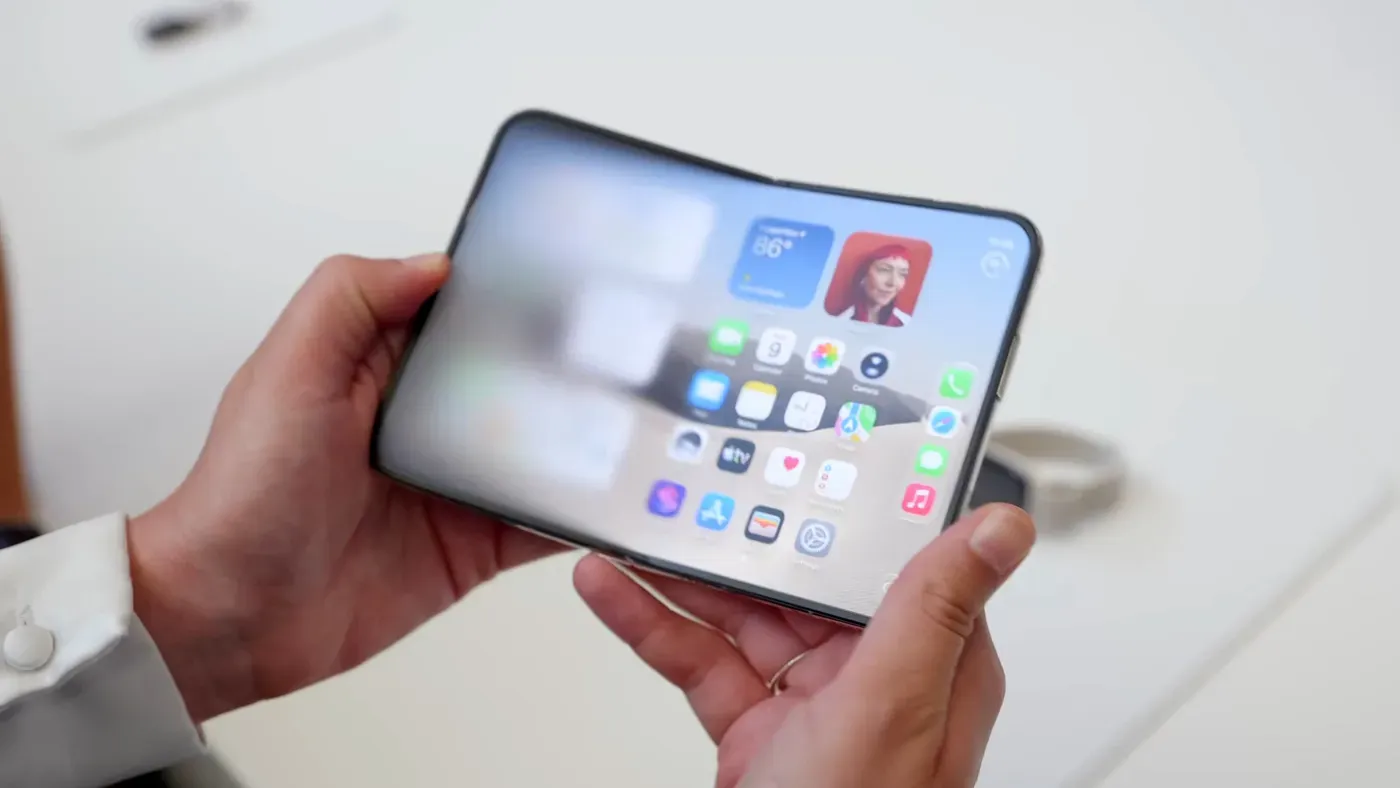
Apple has introduced its first folding smartphone, the iPhone Duo, which boasts polished hardware and a unique design feature - a nanotexture finish that cleverly hides the crease on the screen.
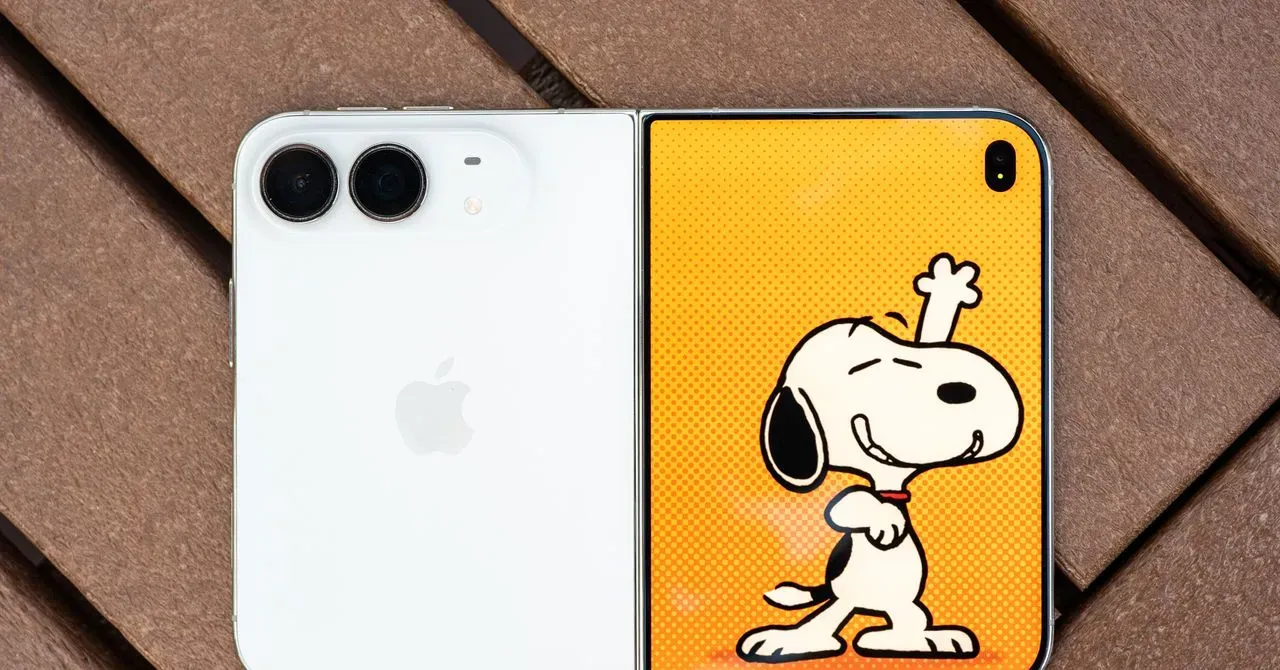
Apple has introduced its first folding smartphone, the iPhone Duo, which boasts polished hardware and a unique design feature - a nanotexture finish that cleverly hides the crease on the screen.
The iPhone Duo's dual-screen setup makes multitasking easy, with fun camera features to take advantage of the multiple displays. The device also offers reliable battery life, but its weight is a notable drawback, making it feel heavy in the hand.
One of the main challenges of reviewing the iPhone Duo is that many apps are not yet optimized for its screen sizes and vertical user interface elements. This can result in awkward layouts, with thick black bars on either side of the screen and a phone-sized app in the middle of the display.
However, some popular apps have recently updated to add full support for the iPhone Duo's screen sizes and vertical user interface elements. For example, Instagram, Threads, Slack, and even the Google app now have navigational icons on the right rail instead of the bottom center, with better-laid-out content that takes advantage of the larger screen.
To fully utilize the iPhone Duo's capabilities, developers need to target the iOS 27.1 software development kit (SDK), which will take some time. It is puzzling that some app developers are quick to embrace Apple's foldable design when they have previously shown little interest in optimizing their apps for Android folding phones.
The fact that some app developers are already adapting their apps to work seamlessly on the iPhone Duo's dual screens suggests that the device may help drive innovation and improvements in the world of mobile technology.
The iPhone Duo's design has been refined to perfection, a testament to Apple's dedication to innovation. The device's foldable screen is remarkably smooth and seamless, with a subtle crease that barely registers to the touch. This is due in part to Apple's innovative use of display technology, which includes a matte-finish nanotexture screen that minimizes glare and visual distractions.
The phone's shape has also been carefully considered, with a wider, shorter design that feels more natural in the hand than its predecessors. The 5.4-inch outer screen provides ample space for navigation and interaction, while the hinge glides open and shut with ease.
One area where Apple may have compromised on design is weight, as the iPhone Duo tips the scales at 254 grams - significantly heavier than an iPhone 18 Pro Max. This can make extended use of the device feel tiresome, particularly when combined with the inherent bulk of a foldable phone.
In contrast, Samsung's Galaxy Z Fold8 boasts a remarkably lightweight design, weighing in at just 201 grams. While this may not be a deal-breaker for some users, it does highlight one area where Apple may have fallen short in its pursuit of innovation.
Despite these minor quibbles, the iPhone Duo is undeniably a polished device that exudes quality and attention to detail. From the smooth operation of the hinge to the responsive touchscreen, every aspect of the phone has been carefully considered and refined.
However, some users may find themselves missing certain features available on Android devices. For example, when in split-screen mode, Apple's multitasking experience is tightly controlled, with a strict 50-50 split enforced between apps. This can be limiting for those who prefer more flexibility in their multitasking options.
In portrait orientation, the iPhone Duo also imposes some limitations on users. When trying to split-screen two apps, Apple will not allow stacking of multiple apps - a feature that has been available on Android devices for years. However, video apps are an exception, allowing picture-in-picture mode.
While these restrictions may be frustrating for some users, they do reflect Apple's commitment to streamlining the user experience and minimizing distractions. As such, the iPhone Duo remains a compelling option for those seeking a premium foldable device with seamless integration into the Apple ecosystem.
The iPhone Duo's rigid software philosophy is also evident in its basic input handling capabilities. Despite its advanced features, the device requires users to employ workarounds for certain tasks, such as using a compact folding keyboard with an attached trackpad.
Unfortunately, even this accessory can be finicky - I encountered issues getting the trackpad to function properly until I enabled AssistiveTouch in iOS' accessibility settings. This is ironic given that Apple's own iPads support cursor control natively.
The iPhone Duo also has its share of physical quirks and limitations. For instance, while it supports MagSafe technology for attaching accessories like tripods and mounts, there are some compatibility issues to be aware of.
One such issue arises when using official MagSafe wallets, which can stick out past the phone's lower edge - an aesthetic compromise that may not sit well with design-conscious users. As a result, third-party accessories will likely become popular alternatives.
In terms of camera capabilities, the iPhone Duo features a dual rear-camera system, adhering to industry standards rather than pushing the boundaries set by Apple's Pro iPhones. The latter boast a third zoom camera that I found myself missing during my review period.
Despite this limitation, the selfie cameras on the iPhone Duo performed admirably in my testing, with both the outer screen and under-display inner camera delivering good results. Even on Zoom calls, video quality was deemed "really good" by my editor - although it's worth noting that Zoom wasn't optimized for the device at the time.
The iPhone Duo's ability to multitask is a major strength, thanks in part to its support for multi-pane views and split-screening. When apps are properly optimized, this results in an enhanced productivity experience that showcases the phone's capabilities.
The battery life of these iPhones has been quite impressive so far. Despite heavy use, I've found myself ending most days with a significant amount of charge left over. Even after working extensively on the device throughout the day, it's managed to hold up remarkably well.
One of the standout features of these devices is their dual rear cameras. While they may not offer the same level of flexibility as some other high-end models, such as variable aperture, the results have been surprisingly similar when compared side by side with other iPhones.
The Duo Preview feature has also proven itself to be a valuable addition. By allowing users to share the camera's viewfinder with their subject, it makes taking photos much easier and more convenient. This is particularly useful for those who are often asked to take photos of others, such as family members or friends.
Another innovative feature is Smart Take, which allows users to set up a shot by placing the phone in a partially folded position and tapping the shutter button. The camera will then wait for the user to get into position before taking multiple photos at once. While it may not be as sophisticated as some other features on the market, such as Google's Magic Capture, it is certainly convenient.
The Kids Cue feature has also shown promise. Although I don't have children myself, I can see how this would be a hit with parents who are looking for ways to keep their kids entertained and engaged. By displaying cute animations from Snoopy on the outer display, it provides a fun way to capture a child's attention.
These features, combined with the overall performance of these devices, have made them feel like a solid investment so far. However, there are still some aspects that need to be considered before making a final judgment.
The Duo Preview and Smart Take features demonstrate Apple's commitment to innovation in the smartphone market. By offering unique solutions to common problems, they are setting themselves apart from competitors and providing users with a more streamlined experience.
The nanotexture finish on the inner screen of the iPhone Duo is a notable feature that sets it apart from other devices. This textured surface reduces the visibility of creases and minimizes glare and reflections, creating a more comfortable viewing experience.
One area where the iPhone Duo falls short is in terms of video quality when watching movies and shows on apps like Netflix. While colors are still vibrant, the device lacks the crisp video quality and deep blacks found on the iPhone 18 Pro. However, it's worth noting that screen brightness is not affected by the textured finish.
The textured finish does have some drawbacks, particularly in direct sunlight where off-axis viewing can be less than ideal. Despite this, the Duo still manages to deliver a bright display with peak outdoor brightness reaching up to 3,000 nits.
During my time with the iPhone Duo, I found myself pondering the concept of wasted space on screen. Apple's decision to move navigation elements to the right rail has been met with some criticism, but it seems that certain apps can make better use of this real estate.
Using an app that effectively utilizes the available space on the screen can be a game-changer for users who value productivity and efficiency. However, those who want to try out Apple's first folding phone may want to wait until developers have had time to optimize their apps.
One feature that is being held back until later this year is Reachability, which will allow users with smaller hands to more easily access the left or right edges of the screen. This addition could make a big difference for some users and is just one reason why waiting might be a good idea.
The iPhone Duo's weight has been a point of discussion among reviewers and users alike. While it's not necessarily a deal-breaker, it's worth noting that Apple may address this issue in future versions, much like Samsung did with its latest iteration.
The folding phone phenomenon may not appeal to everyone due to concerns over durability and repairability. A device with more moving parts can be less robust than its single-piece counterpart, which is a significant consideration for some users. While price remains a barrier for others, the Apple iPhone Duo's pricing is surprisingly competitive.
Despite these limitations, the folding phone category seems here to stay, with many enthusiasts swearing by their foldable devices and refusing to switch back to traditional smartphones. The newer passport-style shape of the Duo has even won over some skeptics, but one feature that remains elusive in this format is a high-quality zoom camera.
Facts based on reporting originally published by Wired.
You may republish this story, in full or in part, if you credit News Central Site and link to it (licence CC BY 4.0). Photos are not included.