Apple Releases Foldable Phone Device
Apple's new foldable phone device, the Duo, combines innovative features with the best technology available from other manufacturers.
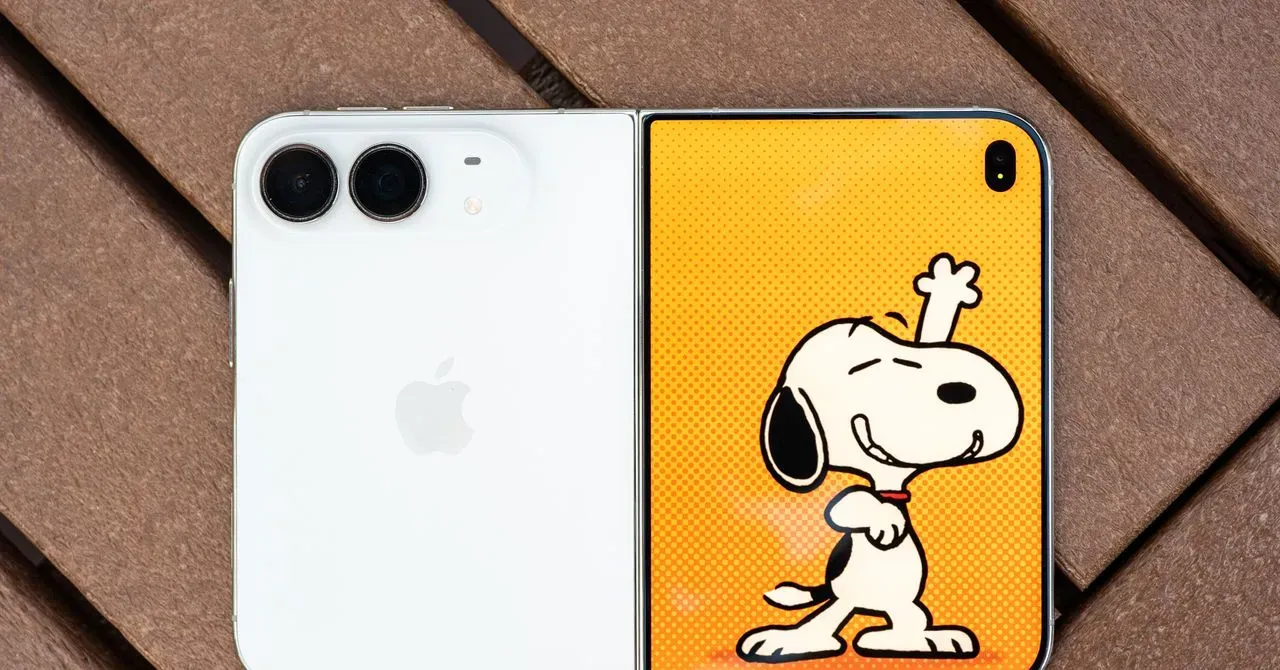
The long-awaited foldable iPhone has finally arrived in the form of the Duo, a device that marks a significant shift in Apple's approach to mobile design. The Duo is not without its drawbacks, however - it's heavy and expensive, and late to market compared to rival Android devices.
Despite these limitations, the Duo boasts some of the best technology available from other manufacturers, combined with innovative features that have been left behind by others. The result is a device that is well worth the wait for fans of Apple's latest innovation.
One of the key challenges in designing a foldable phone is striking a balance between style and durability. If the design is too sleek, it may not withstand the rigors of everyday life. In response, Apple has opted for a more robust approach to its design, prioritizing strength and consistency over slimness.
This decision comes at a cost, however - the Duo is significantly heavier than many of its competitors. Nevertheless, Apple's designers have managed to create a device that feels solid in the hand, even if it doesn't exactly feel like a featherweight.
The Duo's exterior display is a stunning 1,878 x 2,670 5.4-inch OLED panel with 120Hz ProMotion support and an impressive peak brightness of up to 3,000 nits. This is matched by a larger 1,398 x 2,034 7.6-inch interior display with the same aspect ratio and luminance.
The seamless transition from one screen to another is one of the Duo's most impressive features. Whether you're switching between apps or simply adjusting the orientation of your device, the experience is smooth and intuitive.
Apple has also included a clever animation that adds visual flair to the user interface, tying together the two screens with a sense of cohesion and style. This attention to detail is just one example of how Apple's designers have sought to create a truly unique and engaging user experience.
While the Duo is an undeniably impressive device, it's not without its challenges - many apps still need fine-tuning to take full advantage of the Duo's design. Nevertheless, for fans of Apple's latest innovation, the wait has been worth it.
The iPhone Duo's interior display boasts a unique matte nanotexture finish that serves multiple purposes. This finish not only protects the flexible display underneath but also reduces reflections and minimizes the appearance of a crease. A small divot does run down the middle of the main display, but it is hardly noticeable during normal use when viewed head-on.
Despite its replaceable nature for a $49 fee, the nanotexture layer can be removed if handled roughly. Unlike some Android rivals, there's no warning during setup about the potential consequences of removing this film, which should only be done by certified technicians.
The iPhone Duo's two displays deliver exceptional image quality. The exterior display is perfectly suited for one-handed use, while its textured surface on the main panel promises to enhance the experience of drawing or taking notes with an Apple Pencil, a feature set to arrive later this month.
Furthermore, the strong matte finish enhances visuals such as comics and anime, making them appear even more vibrant than they typically do on glossy screens. However, in bright rooms, perceived color saturation and vividness from the interior panel are slightly less pronounced, though this issue resolves itself at night.
The Duo's robust titanium chassis holds everything together seamlessly. Apple claims that its intricate hinge is comprised of over 100 distinct components, yet it operates with silky smoothness. This design allows for a wide range of positions in which the device can hold itself open, while the pressure required to unfold it adjusts according to the angle.
In addition, the Duo boasts an impressive IP68 rating for dust and water resistance. This level of protection is only matched by another family of foldables available in the US: the Pixel 11 Pro Fold line. Apple has managed to achieve this feat amidst its innovative design.
One notable aspect of the Duo's hinge is that it changes the amount of pressure needed to unfold the device based on the angle, adding an extra layer of sophistication when switching between screens.
The iPhone Duo's engineering and design demonstrate a clear commitment to innovation, marrying form with functionality in a way that sets it apart from its competitors.
The iPhone Duo's design choices extend beyond its innovative folding mechanism and into other areas such as biometric security. Instead of relying on Face ID, a feature that has become standard on modern iPhones, the Duo uses a Touch ID sensor built into the lock button on the side. This decision might seem unusual at first, but it makes sense in the context of a device meant to be used in various positions.
The use of Touch ID eliminates the need for infrared face readers to be placed both inside and outside the phone, which would have added bulk and complexity. Apple's implementation of Touch ID is surprisingly accurate, although it does take slightly longer to unlock than expected. This delay is a small price to pay for a more consistent experience.
According to Apple, this approach provides a smoother user experience when compared to devices that still use Touch ID, such as iPads and MacBooks. By integrating the sensor into the lock button, the phone can also display notifications on the lock screen before granting access to the device. This thoughtful design decision enhances the overall user experience.
Despite its impressive features, the iPhone Duo's build quality has a significant drawback: its weight. Weighing in at 254 grams (8.96 ounces), it is more than 25 percent heavier than the Galaxy Z Fold 8, which boasts similar specifications and display size. This added bulk becomes even more pronounced when factoring in the extra heft of a case.
The iPhone Duo's substantial weight can make it feel like an anchor in your pocket, especially when wearing loose clothing or engaging in extended activities. To mitigate this issue, users may find themselves holding the device with two hands rather than one to prevent discomfort and strain.
Fortunately, the iPhone Duo's processing power is not compromised by its larger size. Powered by the same A20 Pro chip found in the iPhone 18 Pro, it delivers robust performance without any noticeable lag or slowdowns. Whether gaming or running multiple apps simultaneously, the Duo handles demanding tasks with ease.
One notable aspect of the Duo's multitasking capabilities is its flexibility and user-friendliness. Users can summon a split view option by pressing and holding on an app, allowing them to easily switch between two applications side-by-side.
In addition to this approach, users can also employ a swipe up and hold gesture to drag apps to either side of the screen. This intuitive interface makes it easy to manage multiple tasks at once, whether working or simply browsing.
The iPhone Duo's multitasking capabilities extend beyond horizontal orientations, as users can also pin pairs of apps together when holding the device vertically. By tapping on a small tab in the middle, users can create a split view mode that automatically summons both applications whenever they are opened.
This feature is particularly useful for tasks like checking email and calendar events simultaneously. Users can easily switch between these two essential apps without needing to manually open each one separately.
By integrating such thoughtful design elements, Apple has demonstrated its commitment to creating a seamless user experience on the iPhone Duo. This dedication to innovation sets it apart from competitors in the foldable phone market.
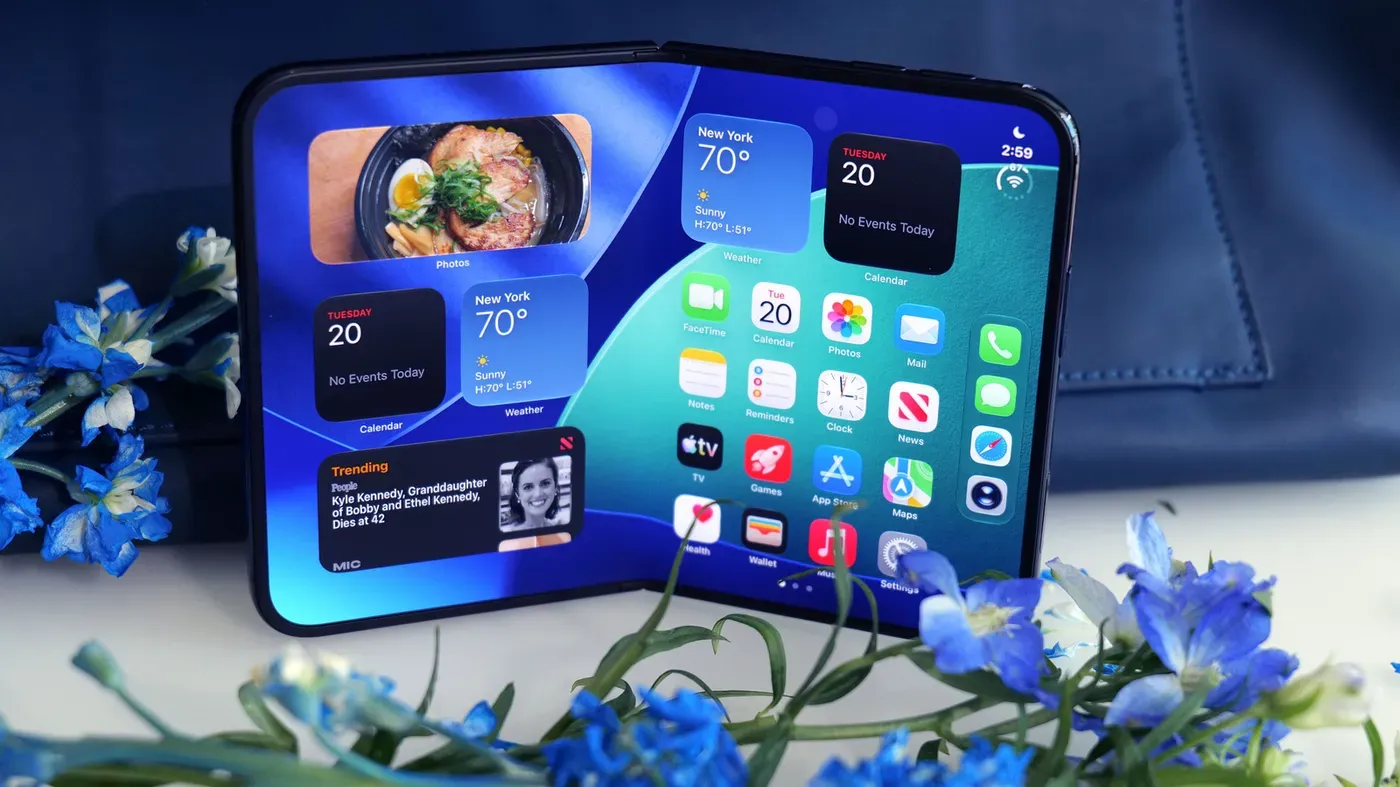
The Apple iPhone Duo has made significant changes to its traditional UI in iOS 27 to accommodate its wider displays. The standard row of home apps now resides on the side of the phone, typically the right one, while icons for basic functions like Wi-Fi and battery level are located in the top right corner.
This design choice allows users to open full-size apps without cluttering the interface with unnecessary UI elements. However, it also requires a bit of adjustment from users who are accustomed to the standard iPhone layout.
One major challenge the Duo faces is that many third-party apps have not been optimized for its foldable design. This can result in awkward layouts and wasted space on the interior display.
Despite this issue, Apple has made significant efforts to ensure that its own first-party software runs smoothly on the Duo. Apps like the App Store and Contacts have been updated with dual-pane designs that take full advantage of the phone's inner display.
In addition, the Duo offers subtle features like shifting UI elements out of the way when the phone is bent in half. This helps to prevent accidental touches on the center of the screen.
The Duo also supports multiple positions, including one where it's halfway closed while resting on a table. This allows users to easily take photos or watch videos without needing a tripod.
Unfortunately, not all apps have been updated to work seamlessly with the Duo's design. Some apps, like Telegram, still display in portrait orientation even when opened on the large interior display.
This can result in significant dead space on either side of the app, making it less than ideal for use on the Duo. Apple has attempted to address this issue by providing buttons that allow users to rotate and expand the app into landscape mode.
However, even with these adjustments, some apps still suffer from issues like letter boxing at the top and bottom of the screen. This can be particularly frustrating when using games or other apps that require a full-screen experience.
Despite these growing pains, it's clear that Apple has made significant efforts to support its first foldable device. As developers update their apps, the Duo is likely to become an even more seamless user experience.
The iPhone Duo's camera capabilities are truly impressive, boasting dual 48-megapixel sensors in its rear setup, allowing for a 2x optical zoom along with two main focal lengths.
This configuration enables users to capture high-quality images, and the results are nothing short of exceptional. The Duo's cameras can take sharp, detailed photos that rival those taken by other top-tier smartphones, including the Samsung Z Fold 8.
In fact, when compared side-by-side with the Z Fold 8, the Duo consistently delivered images with more accurate colors and better exposure in low-light conditions. This is a testament to Apple's commitment to delivering exceptional camera performance in its latest foldable device.
The iPhone Duo also supports advanced features like 4K video recording at up to 120fps, giving users the ability to capture smooth and detailed footage. Additionally, it offers the same adjustable Photographic Styles found on the main iPhone line, allowing for greater creative control over images.
Furthermore, the Duo introduces some innovative camera features specifically designed with its unique foldable design in mind. For instance, the exterior display can be used to preview shots taken with the rear cameras, giving users a better sense of composition and framing.
Another notable feature is Kid Cue, which uses facial recognition technology to detect when children are smiling and snaps photos accordingly. This is particularly useful for parents who want to capture special moments without having to intervene manually.
However, it's worth noting that the iPhone 18 Pro still holds an edge over the Duo in terms of camera capabilities. The Pro model boasts a variable aperture lens and longer zoom range, making it the best option for users who require the absolute highest level of image quality.
One of the standout features of the iPhone Duo, however, is its under-display-camera technology. By rearranging the sub-pixel layout above the camera, Apple has managed to create a seamless viewing experience without the need for a traditional punchhole or notch.
This innovative design feature allows users to take photos and videos without any visible interruptions on the screen. It's a testament to Apple's dedication to pushing the boundaries of what is possible in smartphone design.
Facts based on reporting originally published by Engadget.
You may republish this story, in full or in part, if you credit News Central Site and link to it (licence CC BY 4.0). Photos are not included.