Internal Clocks Influenced by Gut Bacteria Research
A new study at Carnegie Mellon University reveals an unexpected role for gut bacteria in regulating metabolic processes, suggesting that internal clocks are not solely dependent on external light cues.
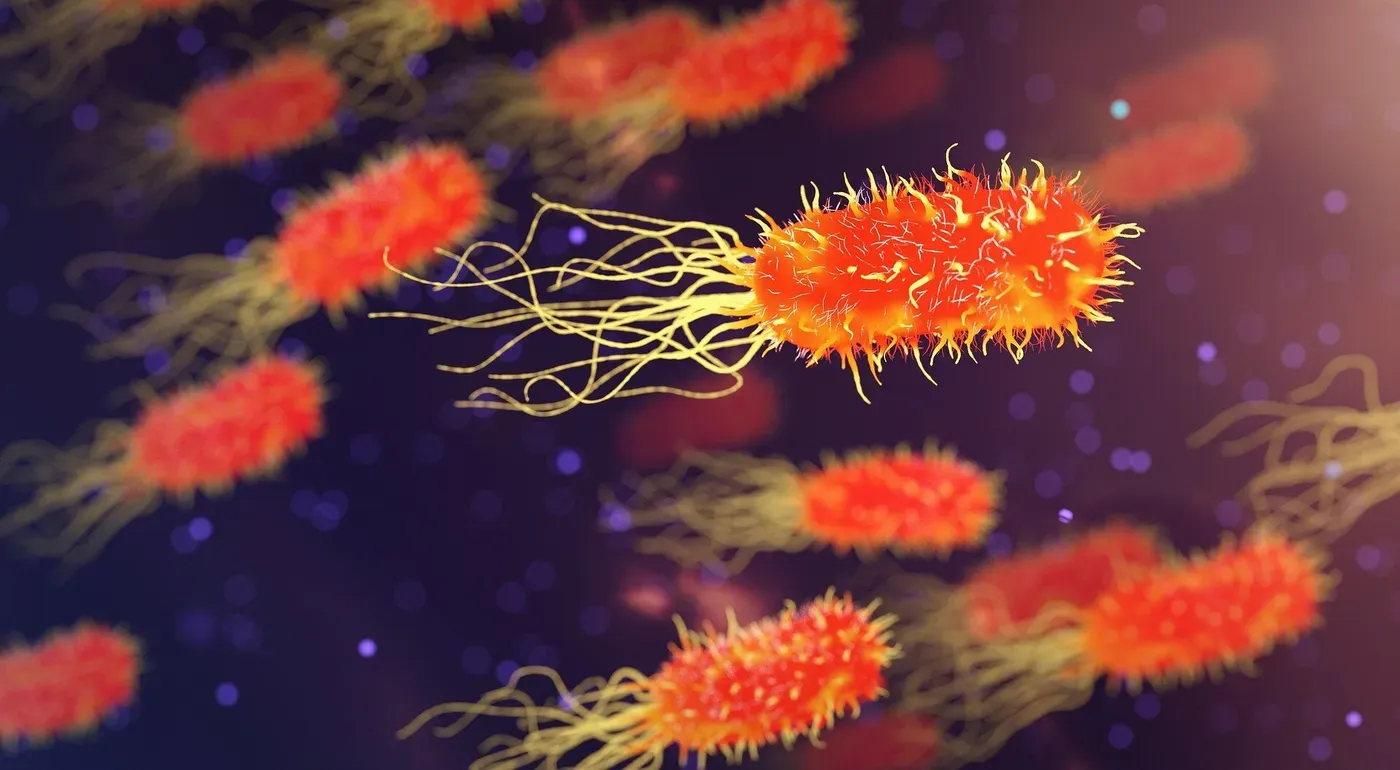
Research conducted at Carnegie Mellon University has shed new light on the body's internal clock, revealing an unexpected role for gut bacteria in regulating metabolic processes.
For centuries, humans have been tied to the rhythms of daylight and darkness, but it appears that our biological clocks are not solely dependent on external light cues. Instead, a study led by Zheng Kuang has identified a key player in this process - the microorganisms living in the gut.
Kuang's research found that these gut bacteria can detect when we eat and respond by producing molecules that communicate with intestinal cells. This complex signaling system helps to coordinate nutrient absorption at the right time of day, suggesting a previously unknown link between the microbiome, circadian rhythms, and metabolism.
These findings challenge the conventional wisdom that light is the primary driver of our internal clocks. According to Kuang, gut bacteria rely on food cues rather than external light signals to synchronize their activity with the rest of the body.
The study sheds light on how gut bacteria influence the body's daily rhythms and overall health by synchronizing their activity with food availability.
In this context, researchers found that a specific strain of bacteria breaks down phytate, a naturally occurring compound in foods such as nuts, seeds, and grains. As these bacteria metabolize phytate, they produce molecules that activate a protein in intestinal cells, which then triggers the expression of genes responsible for nutrient absorption.
This process helps the body recognize when food is present and optimally absorb nutrients during times of abundance. The study suggests that this mechanism played a crucial role in human evolution, particularly when food was scarce.
The researchers observed that bacteria capable of activating this pathway led to increased fat accumulation in mouse models fed high-calorie diets. However, Kuang argues that this system helped humans survive by allowing them to store energy reserves during times of scarcity.
The relationship between gut bacteria and nutrient absorption has been a crucial factor in human survival throughout history. Bacteria that aid in extracting energy from food have given individuals an advantage in times of scarcity.
However, this system may now be contributing to metabolic problems due to the constant availability of calorie-dense foods in modern environments. This shift could potentially lead to issues with nutrient absorption and utilization.
In a bid to understand this dynamic better, researchers conducted experiments on animals fed low-nutrient diets to simulate conditions faced by undernourished populations. The results showed that the bacteria involved in nutrient absorption not only improved growth but also allowed the animals to extract more nutrients from limited food sources.
The study's findings suggest that these beneficial bacteria may hold promise for addressing malnutrition, particularly in areas where access to nutritious food is scarce.
The study's findings suggest that these beneficial bacteria may hold promise for addressing malnutrition, particularly in areas where access to nutritious food is scarce.
Maintaining a consistent eating pattern appears crucial for supporting a healthy relationship between the microbiome and the body, according to researchers. This suggests that aligning meal times with the body's internal clock can have significant benefits for overall health.
The study reveals that biological clocks are influenced by more than just sunlight, highlighting the complex interplay between our bodies and the natural world. Researchers suggest that understanding this relationship could lead to new insights into nutrition and agriculture in the years ahead.
Facts based on reporting originally published by Phys.org.
You may republish this story, in full or in part, if you credit News Central Site and link to it (licence CC BY 4.0). Photos are not included.