Coral Reefs at High Risk of Collapse by 2075
A recent assessment by the International Union for Conservation of Nature (IUCN) found that nearly all shallow-water coral reef ecosystems are at high risk of disappearing within 50 years due to human activities contributing to climate change.
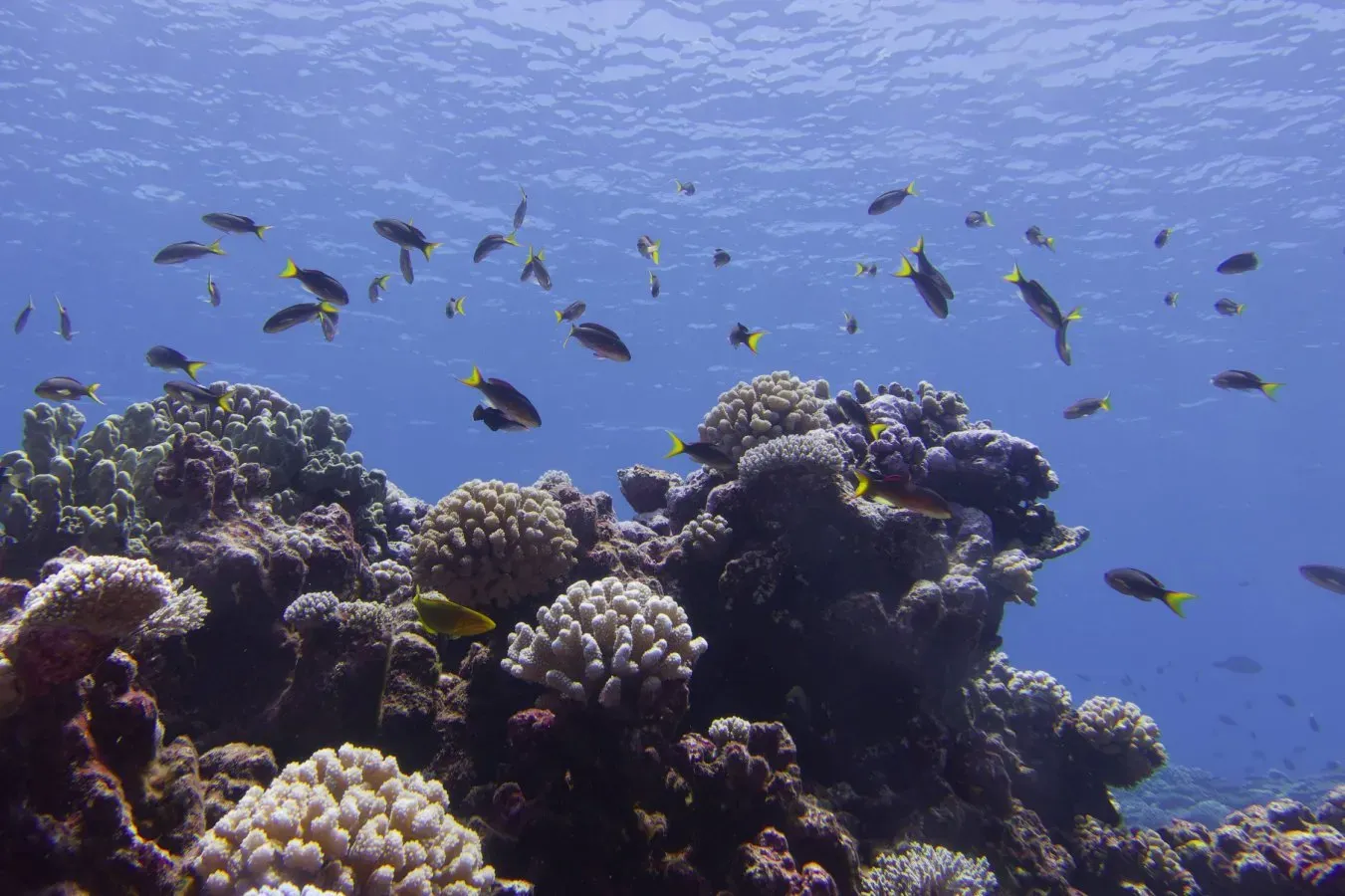
Tropical coral reefs around the world are facing an unprecedented threat of collapse due to human activities that contribute to climate change.
According to a recent assessment by the International Union for Conservation of Nature (IUCN), nearly all shallow-water coral reef ecosystems are at high risk of disappearing within 50 years. This alarming prediction has left scientists and policymakers concerned about the long-term health of these vital ecosystems, which support an array of marine life including iconic species like elkhorn and pillar corals.
The IUCN assessment found that over 96% of shallow-water coral reef ecosystems are at extremely high risk of collapse by 2075. The remaining ecosystems were not evaluated due to a lack of data, but experts believe they may be equally vulnerable. This dire situation has been highlighted at the ongoing UN biodiversity summit in Armenia, where countries are being urged to take immediate action to protect these critical ecosystems.
The main culprit behind this catastrophic scenario is human-induced climate change, which continues to drive up global temperatures and cause widespread coral bleaching. The IUCN's Marcos Valderrábano stresses that all coral reef ecosystems assessed by the organization are critically endangered, a finding he describes as "really surprising.
The warning from conservationists highlights a stark reality: despite their relatively small footprint in the ocean, coral reefs are home to an astonishing quarter of all marine species. This is not just about numbers - it's also about ecosystem resilience. If these delicate balances are disrupted, entire communities that rely on coral reefs for food and livelihoods will be severely impacted.
Coral reefs are often seen as a luxury, covering only 1% of the ocean's surface yet providing sustenance for over a billion people worldwide. They contribute significantly to local economies through fishing and tourism, not to mention protecting coastlines from erosion and storm damage. The loss of these ecosystems would have far-reaching consequences for human societies.
While some coral species may still survive in isolated pockets after a larger ecosystem collapses, their ability to reproduce would be severely compromised. Reproductive failure will happen" if the population size becomes too small, warns James Guest at Newcastle University. This is because corals rely on nearby mates to ensure successful fertilization of eggs and sperm.
Coral reefs found in deeper, colder waters are less biodiverse than their tropical counterparts and lack the symbiotic relationships between coral and algae that make shallow reefs so vibrant. These differences suggest that even if some corals were able to survive a collapse of larger ecosystems, they might not be able to recover or thrive on their own.
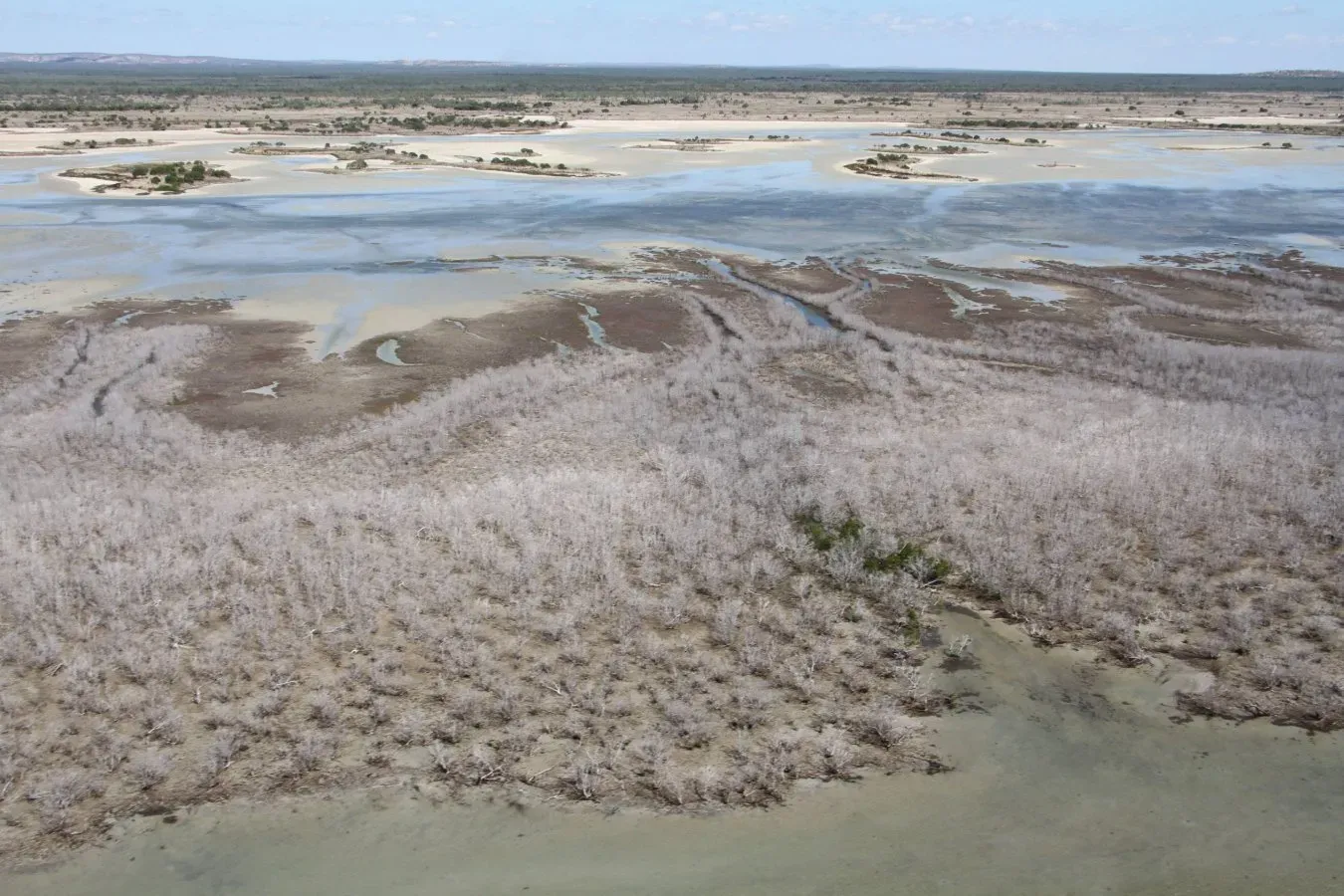
The loss of a single shallow-water coral reef ecosystem is a stark warning sign for the rest of the world's tropical corals. The western Galapagos Islands' reefs provide a cautionary tale after they lost 95% of their coral cover in the aftermath of a devastating marine heatwave triggered by the 1982/83 super El Niño climate phase.
This extreme weather event turned golden brush corals into white skeletons overgrown with string algae, marking one of the first recorded instances of ecosystem collapse. Since then, four mass bleaching events have ravaged many other coral populations around the world.
The delicate balance between corals and their symbiotic algae is crucial to their survival. These tiny plants live inside the coral's tissue and provide it with essential nutrients through photosynthesis. However, when stressed by rising temperatures or polluted waters, algae can release toxic compounds that harm the coral.
As a result, corals may temporarily expel the algae in self-defence, leaving them ghostly white. If this stress persists, the coral eventually starves to death due to its inability to obtain the necessary nutrients from the algae.
The projection by the International Union for Conservation of Nature (IUCN) suggests that tropical coral reefs could collapse within 50 years if moderate emissions reductions are achieved. This outcome is based on a middle-of-the-road scenario, where some efforts to cut greenhouse gas emissions are made.
However, not all shallow-water reefs may be doomed, as scientists acknowledge the possibility of corals adapting to rising temperatures at a rate of about 1°C per decade. While this increased tolerance could provide some protection against heatwaves, it is uncertain whether it would be sufficient in extreme cases.
Reducing emissions remains the most effective way to safeguard coral reefs, according to experts, who emphasize that natural adaptation and recovery can only occur if external pressures on these ecosystems are alleviated.
Facts based on reporting originally published by New Scientist.
You may republish this story, in full or in part, if you credit News Central Site and link to it (licence CC BY 4.0). Photos are not included.