HIV-Prevention Drug Offers Near-Complete Protection with Just Two Shots a Year
A groundbreaking HIV-prevention drug called lenacapavir has been shown to offer nearly complete protection against the virus, but access remains limited in many parts of the world.
A groundbreaking HIV-prevention drug that requires just two shots a year has been shown to offer nearly complete protection against the virus.
The drug, called lenacapavir, is part of a new wave of treatments that experts say could revolutionize the fight against HIV. However, despite its promising results, access to lenacapavir remains limited in many parts of the world where it's most needed.
In areas like Mbarara's red light district, sex workers are among those who would benefit greatly from lenacapavir. They often face a constant risk of infection due to their line of work, and some have reported experiencing difficulties when trying to access existing HIV-prevention measures such as PrEP.
For Lisa Mutoni, a sex worker in Mbarara, lenacapavir represents a beacon of hope for her community, if only it were more widely available.
The availability of lenacapavir, also known as "lena," remains scarce in regions where it's most needed, despite its promising long-lasting effects against HIV.
Lisa Mutoni's attempts to access lenacapavir have been consistently met with disappointment, with healthcare providers informing her that the drug is out of stock. This experience is not unique to Mutoni, and highlights the disparity between the availability of this medication in high-income countries and low-income regions.
Lenacapavir has garnered attention from health experts due to its potential to significantly impact the global HIV epidemic. Developed by Gilead Sciences, this medication offers long-lasting protection against HIV infection, setting it apart from other PrEP options such as pills or an every-other-month shot of cabotegravir.
The rollout of lenacapavir has been criticized for being too slow, with experts emphasizing the need to rapidly increase access to the drug. Andrew Hill, a senior visiting research fellow at the University of Liverpool, notes that the current pace is insufficient to reach millions of people in low-income countries.
A breakthrough in the distribution of lenacapavir may be on the horizon, as the U.S. Food and Drug Administration has tentatively approved a generic version of the medication. This development could lead to increased production and lower costs for 120 low-income countries, with prices expected to fall to around $40 per year.
The Global Fund's ambitious goal to distribute the new HIV-prevention drug to 3 million people by 2028 may be a challenge to achieve, given the current distribution issues.
Doctors Without Borders is criticizing Gilead for not doing enough to make the drug widely available. The organization is urging Gilead to provide cheap doses to more countries and sell them directly to MSF so that it can help protect more people faster.
According to MSF USA's global health advocacy and policy adviser, Melissa Barber, Gilead's actions contradict its stated goal of ending the HIV epidemic worldwide. This assertion highlights the discrepancy between what is being promised and what is actually happening on the ground.
In Uganda, where an estimated 10% of adults in Mbarara have HIV, people are often left with limited options when it comes to accessing effective treatment. As a result, individuals like Julius Bampe, who recently sought lenacapavir for his younger wife, may face difficulties in getting the medication they need.
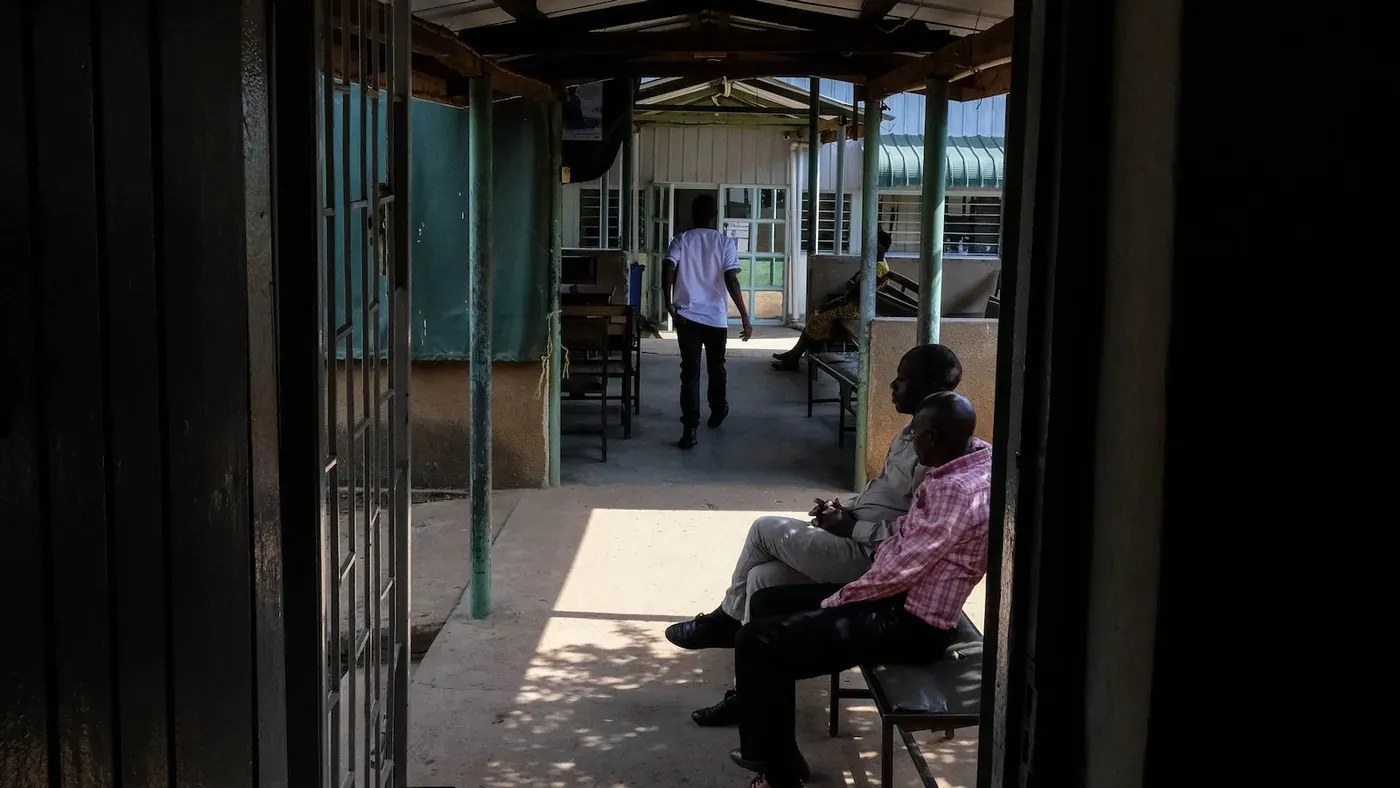
The limited availability of lenacapavir is causing difficulties in high-need areas like Mbarara Health Centre IV, which received 40 doses in April and was instructed to prioritize pregnant mothers at risk of acquiring HIV.
However, the guidelines were later revised to include couples, sex workers, and others, leading to a rapid depletion of the initial supply. The facility's subsequent allocation of 70 doses in June was also quickly used up within 10 days, according to Tarsisio Biryeija, a nursing officer and counselor at Mbarara Health Centre IV.
Uganda has made significant strides in reducing its HIV rate over the past three decades, with rates lower than those found in some southern African countries. Nevertheless, health authorities attribute new infections primarily to transactional sexual encounters like those prevalent in Mbarara, making lenacapavir a highly effective tool for preventing such transmissions.
The demand for lenacapavir is high due to its effectiveness, but the limited supply creates challenges, particularly for organizations providing support services to sex workers and other vulnerable populations. Immaculate Nyamwija, founder of Action for Improved Health and Wealth, notes that the scarcity of lenacapavir makes it difficult to meet the demand for this medication.
The scarcity of lenacapavir, a promising HIV-prevention medication, is hindering efforts to combat the spread of HIV in high-need regions. This shortage has significant implications for individuals who rely on this treatment to prevent new infections.
Efforts to increase access to lenacapavir are being hampered by its limited availability.
Facts based on reporting originally published by ABC News International.
You may republish this story, in full or in part, if you credit News Central Site and link to it (licence CC BY 4.0). Photos are not included.