Global Energy Demand Surges Amid Rapid Expansion of Data Centers
The International Energy Agency (IEA) projects global electricity demand to rise by 3.6% annually from 2026 to 2030.
A major shift is underway in the global energy sector as concerns over grid queues, water resource pressures, and industrial electrification grow more pressing. The need for reliable power to match changing demand patterns has become increasingly urgent. Energy companies are responding by reassessing their strategies to meet this new reality.
Global electricity demand is expected to surge at an average annual rate of 3.6% between 2026 and 2030, according to the International Energy Agency (IEA). This represents a significant acceleration from the previous decade's growth pace. The IEA's projection highlights the growing need for reliable power supply infrastructure.
The rapid expansion of data centers is driving a sharp increase in electricity consumption. Data center electricity demand rose by 17% in 2025, with AI-focused facilities experiencing an even more dramatic surge in demand. These facilities require significant resources to operate, including land, energy grids, clean power, and cooling systems.
AI's growing presence is having a profound impact on the physical world, driving up energy demands that are not yet fully accounted for. The IEA notes that AI-focused data centers have seen their electricity demand skyrocket by around 50% in recent years. This trend shows no signs of slowing down as the use of artificial intelligence continues to expand globally.
As AI and other sources of electricity demand grow rapidly, governments and the energy industry are re-evaluating their approach to meeting global energy needs.
A key challenge is building a balanced energy mix that provides reliable, affordable, and progressively lower-carbon power under increasing pressure.
In Abu Dhabi, a diversified and synchronized ecosystem has been developed over more than five decades, integrating various sources of energy with grid planning, water desalination, and reuse.
The approach in Abu Dhabi does not prioritize one source of energy over another, but rather removes the trade-off between security and sustainability through system design.
Responsible hydrocarbon production is a crucial element of this ecosystem, ensuring that oil and gas are used efficiently while acknowledging their importance to global energy security.
The performance of hydrocarbons must be evaluated within a broader system that simultaneously scales up clean electricity input and enhances efficiency across the entire value chain.
Murban crude, produced by Abu Dhabi National Oil Company (ADNOC), boasts a carbon intensity significantly lower than the global industry average. Furthermore, ADNOC's partnership with Emirates Water and Electricity Company (EWEC) has enabled the use of clean grid power to further reduce emissions. This joint effort is contributing to a more environmentally friendly energy profile.
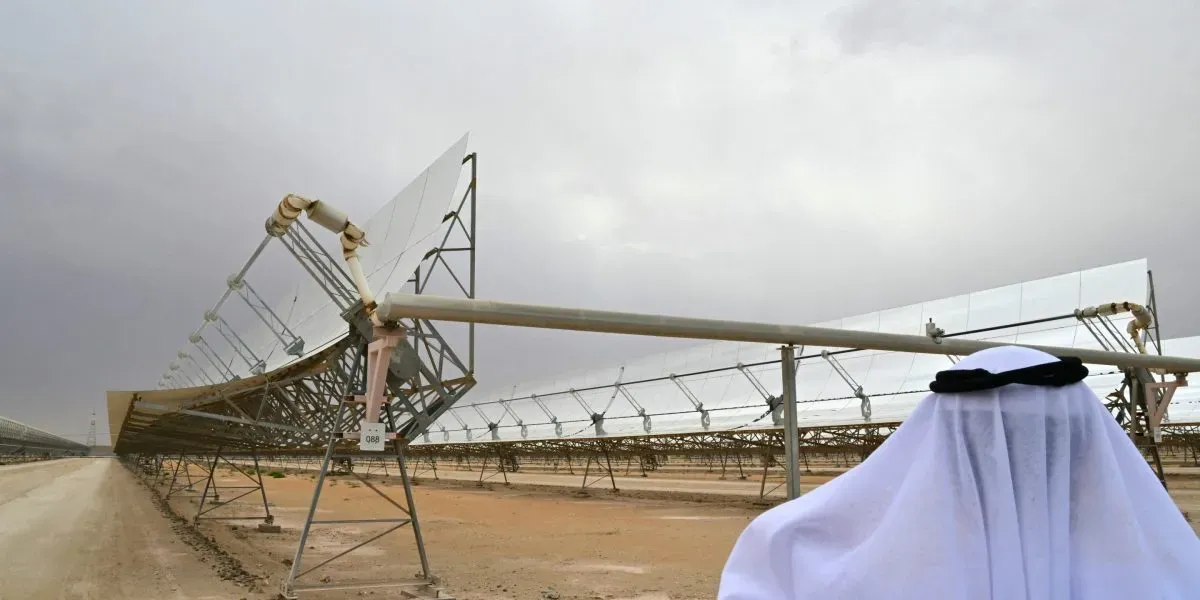
A crucial aspect of this system is delivering clean, reliable power on a large scale, particularly for rapidly growing economies. Solar energy can quickly scale up where resources are abundant, while nuclear power provides continuous low-carbon electricity. Gas also plays a vital role in supporting flexibility as demand increases.
Integrating these various resources into a power system that consistently meets the needs of households, industry, and critical infrastructure every hour of the day is the primary challenge. Abu Dhabi's experience demonstrates how long-term planning can yield a diverse, resilient energy mix.
EWEC has successfully met over 80% of Abu Dhabi's total power demand using renewable and clean energy from solar and nuclear sources. The Barakah Nuclear Energy Plant provides a substantial amount of continuous low-carbon electricity, while Masdar's global renewable energy portfolio has reached an impressive 65GW and is set to expand to 100GW by 2030.
In addition to electricity generation, data centers in arid regions like Abu Dhabi need a reliable source of water for cooling purposes. However, desalination plants that provide this water also create additional energy demand, highlighting the importance of integrated planning and management.
Treating water security as a separate challenge from energy security can lead to increased costs and complexity over time. In regions where water scarcity is already a pressing issue, it's crucial to have designed resilience into the system from the outset. This includes diversified desalination methods, effective energy demand management, and long-term infrastructure planning.
Abu Dhabi has made significant strides in addressing water security by integrating it with energy security within its economic platform. The emirate's experience demonstrates the value of proactive planning for potential pressures on communities and infrastructure, even in traditionally water-secure regions. This forward-thinking approach helps mitigate the impact of water scarcity restrictions on power generation.
The United Nations Water Conference, co-hosted by Abu Dhabi and Senegal in December this year, will provide a crucial platform to emphasize the connection between water security and energy infrastructure. The conference will underscore the importance of considering these two elements together when investing in long-term solutions for sustainable development.
Effective energy systems require significant investment cycles that span decades, encompassing generation and storage, grids, and digital infrastructure. This necessitates capital with a long-term horizon, forward-looking regulation, agile planning, and commercial foresight to ensure successful integration and growth.
As artificial intelligence (AI) continues to transform industries and economies worldwide, its energy requirements have become a pressing concern. The speed and reliability of power and water systems will be crucial factors in determining the competitiveness of AI infrastructure.
Abu Dhabi's Energy and Water Resilience Framework is a pioneering approach that anticipates potential risks across multiple domains, infrastructure, governance, technology, and operations. This framework enables essential systems to adapt and perform optimally even as conditions change, thereby ensuring continued economic growth despite disruptions.
Governments and investors are now increasingly scrutinizing the ability of infrastructure to meet future demands over several decades. The emphasis on resilience is no longer seen as a separate aspect of competitiveness but rather an integral component that fosters confidence in economies' capacity for sustained growth through periods of transformation.
The relevance of Abu Dhabi's model extends beyond its borders, offering valuable lessons for governments and industry leaders worldwide. By fostering closer collaboration among governments, technology innovators, capital providers, and other stakeholders, it is possible to create energy systems capable of meeting growing demands while adapting to increasing complexity.
The shift towards more sustainable energy consumption is becoming increasingly imperative for companies worldwide. Abu Dhabi's integrated system has already taken a proactive approach to this change, demonstrating that it's possible to meet growing demands while adapting to increasing environmental pressures.
This model showcases the potential benefits of collaboration among governments, technology innovators, and capital providers in creating efficient energy systems. By doing so, they can address the pressing need for sustainable development without compromising on economic growth or returns on investment. Ultimately, this integrated approach holds promise as a viable solution for a more environmentally conscious future.
Facts based on reporting originally published by Fortune.
You may republish this story, in full or in part, if you credit News Central Site and link to it (licence CC BY 4.0). Photos are not included.